

-
Products
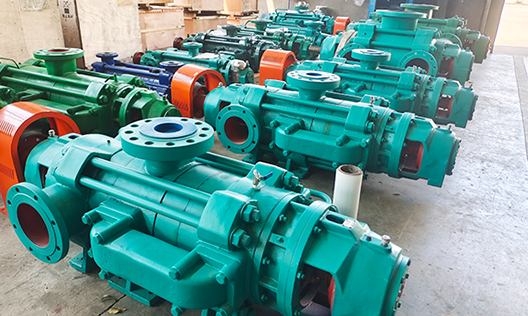
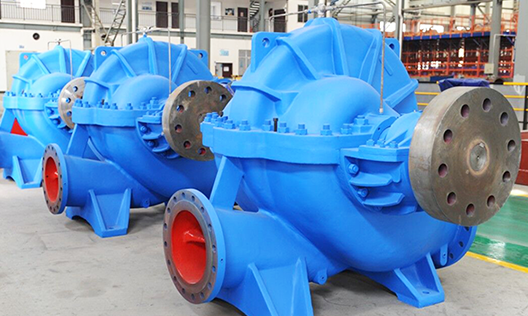
Puede fabricar 26 series de productos, incluyendo bombas de circulación para grandes centrales eléctricas, bombas de condensación para grandes centrales eléctricas, bombas petroquímicas, bombas multietapa, bombas de aguas residuales y lodo, bombas multietapa autoequilibradas, bombas de doble succión y única etapa tipo split, y bombas centrífugas de succión simple y única etapa.
-
Cases
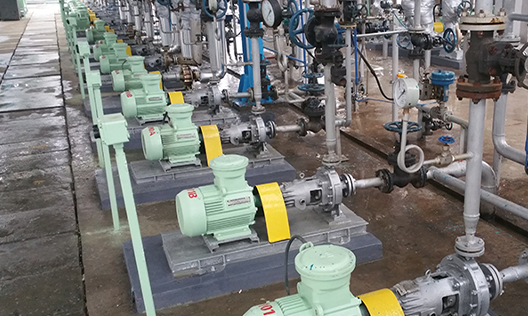
La elección de más de cientos de miles de clientes, cubriendo industrias como minería de carbón, metalurgia, química, energía, recursos hídricos, alimentos, municipalidades y protección ambiental, y exportando a Asia Sudeste, África, América y otros lugares.
-
Service
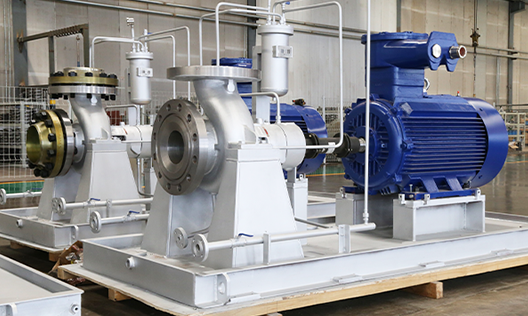
La empresa fue la primera en la industria en obtener las certificaciones internacionales del sistema de calidad ISO 9001:2008, del sistema de gestión ambiental ISO 14001 y del sistema de gestión de seguridad y salud ocupacional GB/T 28001, además de la certificación API 610 de la Asociación Estadounidense del Petróleo.
-
About us
La empresa, fundada en 1989, es una empresa nacional de alta tecnología integral que integra diseño, investigación y desarrollo, fabricación y servicios; actualmente es una empresa clave en la industria china de bombas centrífugas y una de las grandes fábricas especializadas.
-

Blogs
Con productos innovadores, calidad excepcional y servicios integrales, buscamos la verdad y la pragmática, avanzamos con iniciativa, y nos esforzamos por lograr el objetivo de ser "la marca líder en el campo de aplicación de bombas centrífugas en el país"! Raigada en Hunan, orientada a todo el país y hacia el mundo!
The Essential Guide to Hot Water Pumps for Industrial Applications
Publication Date:
2026-08-21
Author:
Source:


The Essential Guide to Hot Water Pumps for Industrial Applications
Table of Contents
- 1. Introduction to Hot Water Pumps
- 2. Understanding Industrial Hot Water Pumps
- 3. Types of Hot Water Pumps for Industrial Use
- 4. Key Features of Hot Water Pumps
- 5. Benefits of Using Hot Water Pumps in Industrial Applications
- 6. Installation of Hot Water Pumps
- 7. Maintenance and Care for Hot Water Pumps
- 8. Troubleshooting Common Issues with Hot Water Pumps
- 9. Conclusion
- 10. FAQs
1. Introduction to Hot Water Pumps
Hot water pumps play a critical role in various industrial processes, providing efficient and reliable circulation of heated water. These pumps are designed to handle a wide range of applications, including heating systems, process heating, and even in food production. In this guide, we will explore the essential components, functionality, and best practices for selecting and maintaining hot water pumps in industrial settings.
2. Understanding Industrial Hot Water Pumps
Industrial hot water pumps are specialized devices that move heated water through piping systems. They differ from regular pumps due to their ability to operate at high temperatures and pressures. Understanding the specific requirements of your application is crucial for selecting the right pump.
**Key Considerations:**
- **Temperature Range:** Industrial hot water pumps are capable of handling temperatures from 140°F to 300°F (60°C to 150°C) and beyond.
- **Pressure Ratings:** Depending on the application, pumps can be rated for different pressure limits, affecting their design and material selection.
- **Flow Rate:** The required flow rate will determine the size and type of pump suitable for your needs.
By grasping these fundamental aspects, you can better navigate the selection process for your industrial hot water pump.
3. Types of Hot Water Pumps for Industrial Use
Several types of hot water pumps are available in the market, each suited for different applications and requirements. Understanding these types can help in making an informed decision.
3.1 Centrifugal Pumps
Centrifugal pumps are the most common type of hot water pump used in industrial settings. They utilize a rotating impeller to move water, making them efficient for high flow rates. They are ideal for applications that require continuous flow, such as heating systems and process applications.
3.2 Positive Displacement Pumps
Positive displacement pumps move water by trapping a fixed amount and forcing it into the discharge pipe. They are suitable for applications that require precise flow control and are often used in food processing or chemical industries.
3.3 Submersible Pumps
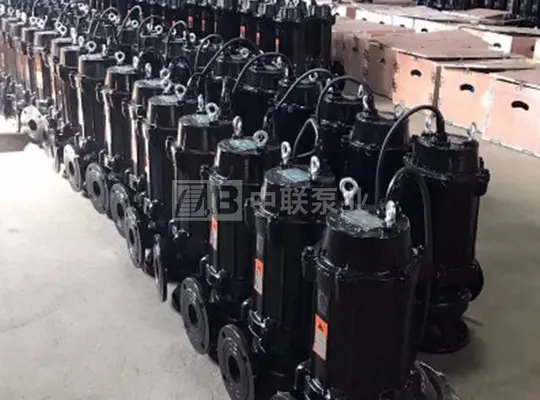
Submersible hot water pumps are designed to operate underwater. These pumps are especially useful for applications that require water to be pumped from a deep well or tank. They are efficient and can handle high-pressure situations effectively.
4. Key Features of Hot Water Pumps
When selecting a hot water pump, several critical features should be considered to ensure optimal performance and longevity.
4.1 Motor Type
The motor type can significantly impact the pump's efficiency and performance. Electric motors are common, but hydraulic or gas-powered options may be necessary for specific applications.
4.2 Material Construction
The materials used in pump construction affect durability and corrosion resistance. Stainless steel, cast iron, and thermoplastic are popular choices, with each material offering different benefits depending on the operating environment.
4.3 Control Systems
Modern hot water pumps are often equipped with advanced control systems. These systems allow for automation, enabling the pump to adapt to varying flow rates and temperature changes, enhancing energy efficiency.
5. Benefits of Using Hot Water Pumps in Industrial Applications
Utilizing hot water pumps in industrial applications brings numerous advantages, including:
- **Efficiency:** Hot water pumps are specifically designed for optimal performance in heating applications, leading to lower energy costs.
- **Reliability:** Industrial hot water pumps are built to withstand demanding conditions, ensuring continuous operation and minimal downtime.
- **Versatility:** They can be used in various applications, from heating systems to food processing, making them a valuable asset for any industrial setup.
6. Installation of Hot Water Pumps
Proper installation is crucial for the effective operation of hot water pumps. Following best practices can minimize issues and extend the lifespan of the equipment.
6.1 Site Preparation
Before installing the pump, ensure the site is adequately prepared. This includes choosing a suitable location that is accessible for maintenance and free from debris or obstacles.
6.2 Piping and Connections
Carefully plan and install the piping system. Use the correct pipe size and material to avoid pressure drops and ensure efficient fluid movement. All connections should be tight and leak-free.
6.3 Electrical Connections
For electric pumps, ensure that the electrical connections comply with local codes and regulations. This may require the expertise of a licensed electrician.
7. Maintenance and Care for Hot Water Pumps
Regular maintenance is essential for the longevity and efficiency of hot water pumps. Implement a scheduled maintenance program that includes the following:
7.1 Routine Inspections
Conduct routine visual inspections to look for leaks, wear, and corrosion. Check the pump housing, motor, and connections for signs of damage.
7.2 Lubrication
Ensure that moving parts are properly lubricated according to the manufacturer's specifications. This can prevent wear and increase the efficiency of the pump.
7.3 Filter Checks
Regularly check and clean filters to prevent clogs that can hinder performance. Dirty filters can lead to pump failure and reduced efficiency.
8. Troubleshooting Common Issues with Hot Water Pumps
Even the best hot water pumps may encounter issues. Here are some common problems and troubleshooting tips:
8.1 Pump Won’t Start
If the pump does not start, check the power supply, electrical connections, and control systems. Ensure that the circuit breaker has not tripped.
8.2 Insufficient Flow Rate
An insufficient flow rate may indicate a clog, incorrect pump sizing, or issues with the piping system. Inspect all components for blockages or damage.
8.3 Unusual Noises
Unusual noises can signal mechanical problems or cavitation. Investigate the source of the noise and address any issues immediately to prevent further damage.
9. Conclusion
Hot water pumps are vital for many industrial applications, providing efficient and reliable heating solutions. Understanding the various types of pumps, their features, and proper maintenance practices can help optimize your industrial processes and reduce operational costs. By following the guidelines outlined in this comprehensive guide, you can ensure that your hot water pump operates at peak performance, contributing to the overall success of your operations.
10. FAQs
1. What is the primary function of hot water pumps in industrial settings?
Hot water pumps circulate heated water through various systems, supporting processes such as heating, cooling, and fluid transfer in industrial applications.
2. How do I choose the right hot water pump for my application?
Consider the specific requirements of your process, including flow rate, temperature range, pressure ratings, and the type of fluid being pumped.
3. What maintenance is needed for hot water pumps?
Routine inspections, lubrication of moving parts, and checking filters are essential for maintaining hot water pumps.
4. Can hot water pumps be used in residential applications?
While primarily designed for industrial use, certain hot water pumps can be suitable for residential heating systems, depending on their specifications.
5. How can I troubleshoot low flow issues in my hot water pump?
Inspect for clogs in the system, ensure proper pump sizing, and check for any damage in the piping or pump components.
Recommended Information



Related Products
Perhaps you also want to know?
Zoomlian Pump Industry
Address:No. 210, Environmental Protection Middle Road, Yuhua Economic Development Zone, Changsha City, Hunan Province China
All rights reserved © Changsha Zoomlian Pump Co., Ltd.
This website supports IPv4 IPv6 bidirectional access
Website construction:Zhongqi Power Changsha