

-
Products
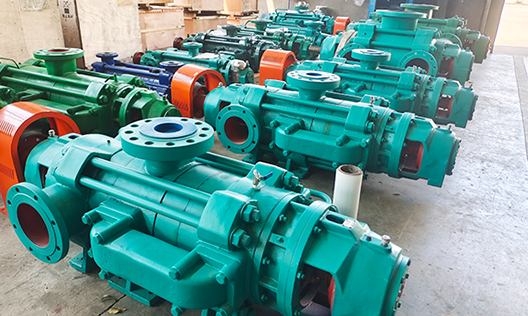
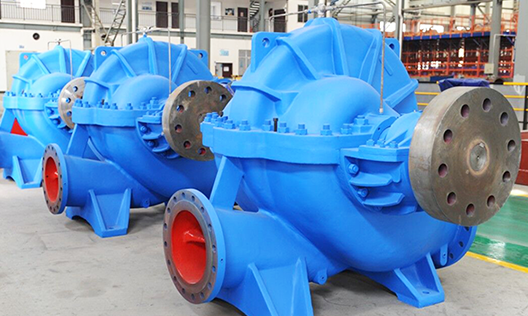
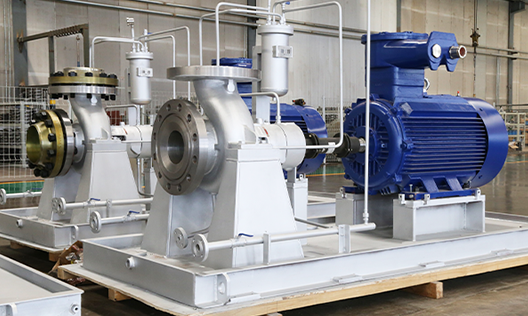
Puede fabricar 26 series de productos, incluyendo bombas de circulación para grandes centrales eléctricas, bombas de condensación para grandes centrales eléctricas, bombas petroquímicas, bombas multietapa, bombas de aguas residuales y lodo, bombas multietapa autoequilibradas, bombas de doble succión y única etapa tipo split, y bombas centrífugas de succión simple y única etapa.
-
Cases
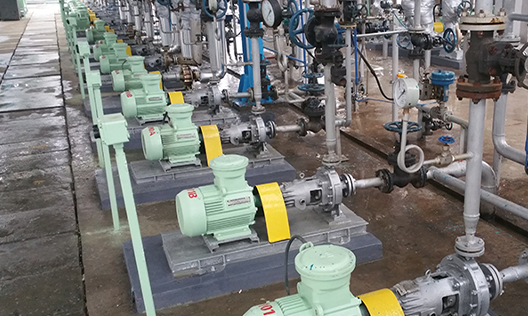
La elección de más de cientos de miles de clientes, cubriendo industrias como minería de carbón, metalurgia, química, energía, recursos hídricos, alimentos, municipalidades y protección ambiental, y exportando a Asia Sudeste, África, América y otros lugares.
-
Service
La empresa fue la primera en la industria en obtener las certificaciones internacionales del sistema de calidad ISO 9001:2008, del sistema de gestión ambiental ISO 14001 y del sistema de gestión de seguridad y salud ocupacional GB/T 28001, además de la certificación API 610 de la Asociación Estadounidense del Petróleo.
-
About us
La empresa, fundada en 1989, es una empresa nacional de alta tecnología integral que integra diseño, investigación y desarrollo, fabricación y servicios; actualmente es una empresa clave en la industria china de bombas centrífugas y una de las grandes fábricas especializadas.
-

Blogs
Con productos innovadores, calidad excepcional y servicios integrales, buscamos la verdad y la pragmática, avanzamos con iniciativa, y nos esforzamos por lograr el objetivo de ser "la marca líder en el campo de aplicación de bombas centrífugas en el país"! Raigada en Hunan, orientada a todo el país y hacia el mundo!
Exploring the Benefits of Horizontal Multistage Pumps in Industrial Applications
Publication Date:
2026-08-09
Author:
Source:


Exploring the Benefits of Horizontal Multistage Pumps in Industrial Applications
Introduction to Horizontal Multistage Pumps
Horizontal multistage pumps are essential components in many industrial processes. These pumps consist of multiple impellers arranged in a series, enabling them to generate high pressure while maintaining significant flow rates. Their design allows them to handle various applications, making them a staple in industries such as water treatment, chemical processing, and oil and gas.
The Mechanics Behind Horizontal Multistage Pumps
Understanding the mechanics of these pumps is crucial when considering their application. Horizontal multistage pumps operate by using a single motor to drive multiple impellers. Each impeller increases the fluid's pressure, allowing the pump to generate higher head pressure than single-stage pumps. This design not only maximizes efficiency but also minimizes energy consumption, making it an ideal choice for many industrial settings.
Components of Horizontal Multistage Pumps
The primary components of a horizontal multistage pump include:
- **Impellers**: These are the rotating components that impart kinetic energy to the fluid, increasing its velocity and pressure.
- **Diffusers**: Located between the impellers, diffusers convert kinetic energy into pressure energy, optimizing the pump's performance.
- **Suction and Discharge Casings**: These enclose the impellers and guide the fluid into and out of the pump, ensuring a smooth flow.
- **Shaft**: The shaft connects the motor to the impellers, transferring mechanical energy to drive the pump.
- **Bearings and Seals**: These components support the shaft and prevent fluid leakage, ensuring the pump operates efficiently.
Key Advantages of Horizontal Multistage Pumps
Horizontal multistage pumps offer several benefits that make them suitable for various industrial applications:
High Efficiency and Performance
One of the most significant advantages of horizontal multistage pumps is their **high efficiency**. By utilizing multiple impellers, these pumps can achieve greater pressure with less energy consumption. This efficiency translates into cost savings on energy bills and a lower carbon footprint, making them an environmentally friendly choice for industrial applications.
Versatility Across Industries
Horizontal multistage pumps are incredibly versatile. They can handle various fluids, including water, chemicals, and slurries, making them suitable for diverse industries such as:
- **Chemical Processing**: Ideal for transferring reactive and corrosive fluids.
- **Water Treatment**: Essential for municipal and industrial water supply systems.
- **Food and Beverage**: Used in the transportation of liquids in compliance with hygiene standards.
- **Oil and Gas**: Effective for pumping fluids at high pressures encountered in this industry.
Compact Design and Space Efficiency
The horizontal design of these pumps allows them to be installed in tight spaces, making them ideal for facilities with limited floor space. Their compact nature does not compromise their performance, as they can still achieve high flow rates and pressures.
Easy Maintenance and Reliability
Maintenance is crucial for any industrial pump, and horizontal multistage pumps are designed with this in mind. The modular design allows for easy access to internal components, making it simple to perform routine maintenance. This ease of maintenance leads to increased reliability and longer operational life.
Applications of Horizontal Multistage Pumps
Horizontal multistage pumps are employed in a variety of applications, each benefiting from the unique enhancements these pumps provide.
Water Supply and Distribution
In municipal water supply systems, horizontal multistage pumps are pivotal in transporting treated water to consumers. Their ability to maintain high pressure over long distances ensures reliable water distribution.
Boiler Feed Applications
These pumps are widely used in boiler feed services where high-pressure water is essential to maintain steam generation. Their design allows for consistent performance, crucial for maintaining the efficiency of industrial boilers.
Cooling Systems
In power plants and large industrial facilities, horizontal multistage pumps are integral to circulating water in cooling systems. This application helps regulate temperatures and ensures optimal functioning of machinery.
Process Industries
In process industries, like chemical and petrochemical facilities, horizontal multistage pumps are vital for moving fluids through various stages of production. Their ability to handle corrosive materials while maintaining efficiency makes them ideal for this environment.
Comparing Horizontal to Vertical Multistage Pumps
While both horizontal and vertical multistage pumps serve similar purposes, there are distinct differences that can influence a choice between the two.
Space and Installation
Horizontal pumps are often chosen for their compact design, allowing for flexible installation options. In contrast, vertical multistage pumps may require more vertical space but can be beneficial in facilities where floor space is limited.
Flow Rate and Head Pressure
Both pump types can achieve high flow rates and head pressures, but horizontal multistage pumps typically excel in applications requiring greater volumes of fluid.
Maintenance Considerations
Horizontal pumps allow for easier maintenance access, reducing downtime during service. Vertical pumps may require more effort to maintain due to their orientation.
Best Practices for Maintaining Horizontal Multistage Pumps
To ensure the longevity and efficiency of horizontal multistage pumps, adhering to best maintenance practices is crucial.
Regular Inspection and Monitoring
Routine inspections can help identify potential issues before they escalate. Monitoring parameters such as vibration, temperature, and pressure can provide insights into the pump's operational health.
Fluid Quality Management
Ensuring the fluid being pumped meets quality standards prevents damage to components. Contaminants can lead to erosion and wear, undermining the pump's efficiency.
Routine Maintenance Schedule
Establishing a regular maintenance schedule ensures that lubrication, seal integrity, and other essential components are routinely checked and serviced.
Training Operators
Investing in training for operators can enhance understanding of the pump's operation and maintenance requirements. Knowledgeable operators can better identify potential issues and react accordingly.
FAQs About Horizontal Multistage Pumps
What is the primary function of horizontal multistage pumps?
Horizontal multistage pumps are designed to move fluids efficiently at high pressures, making them suitable for various industrial applications.
How do I determine the right size of a horizontal multistage pump for my application?
To select the appropriate size, consider the required flow rate, head pressure, and the nature of the fluid being pumped. Consulting with a pump specialist can also provide valuable insights.
What maintenance is required for horizontal multistage pumps?
Regular inspections, monitoring of operational parameters, fluid quality management, and adherence to a maintenance schedule are essential for the longevity of these pumps.
Can horizontal multistage pumps handle corrosive fluids?
Yes, many horizontal multistage pumps are designed with materials that resist corrosion, making them suitable for handling aggressive fluids in chemical processing applications.
What are the energy efficiency benefits of using horizontal multistage pumps?
Their ability to generate high pressure with multiple impellers means they often consume less energy compared to single-stage pumps, leading to cost savings on energy bills.
Conclusion
In summary, horizontal multistage pumps are integral to many industrial applications due to their efficiency, versatility, and reliability. Their advanced design allows for high flow rates and pressure, making them suitable for various industries, from water supply to chemical processing. By understanding their benefits and implementing best practices for maintenance, businesses can optimize their operations and reduce costs. Investing in these pumps is not just a practical choice; it is a strategic decision that enhances productivity and sustainability in industrial environments.
Recommended Information


Related Products
Perhaps you also want to know?
Zoomlian Pump Industry
Address:No. 210, Environmental Protection Middle Road, Yuhua Economic Development Zone, Changsha City, Hunan Province China
All rights reserved © Changsha Zoomlian Pump Co., Ltd.
This website supports IPv4 IPv6 bidirectional access
Website construction:Zhongqi Power Changsha