

-
Products
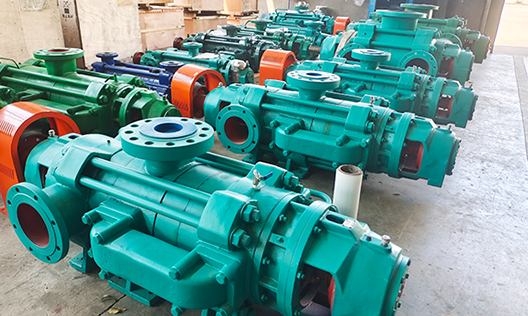
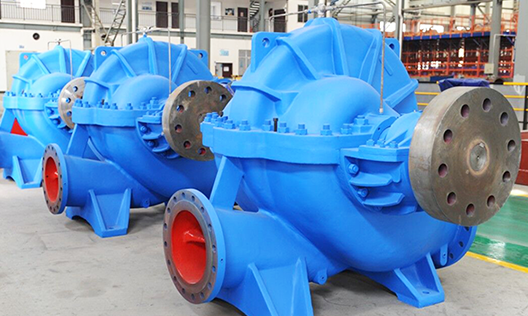
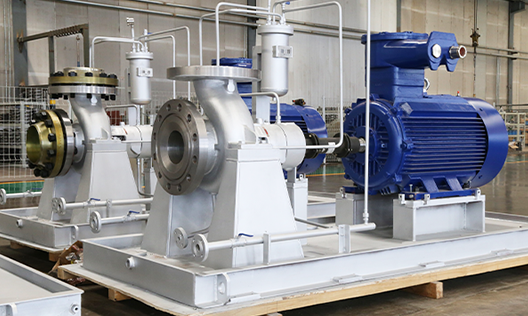
Puede fabricar 26 series de productos, incluyendo bombas de circulación para grandes centrales eléctricas, bombas de condensación para grandes centrales eléctricas, bombas petroquímicas, bombas multietapa, bombas de aguas residuales y lodo, bombas multietapa autoequilibradas, bombas de doble succión y única etapa tipo split, y bombas centrífugas de succión simple y única etapa.
-
Cases
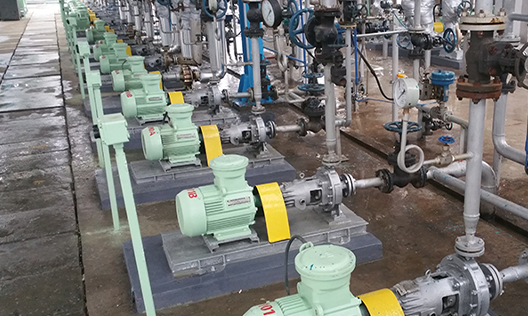
La elección de más de cientos de miles de clientes, cubriendo industrias como minería de carbón, metalurgia, química, energía, recursos hídricos, alimentos, municipalidades y protección ambiental, y exportando a Asia Sudeste, África, América y otros lugares.
-
Service
La empresa fue la primera en la industria en obtener las certificaciones internacionales del sistema de calidad ISO 9001:2008, del sistema de gestión ambiental ISO 14001 y del sistema de gestión de seguridad y salud ocupacional GB/T 28001, además de la certificación API 610 de la Asociación Estadounidense del Petróleo.
-
About us
La empresa, fundada en 1989, es una empresa nacional de alta tecnología integral que integra diseño, investigación y desarrollo, fabricación y servicios; actualmente es una empresa clave en la industria china de bombas centrífugas y una de las grandes fábricas especializadas.
-

Blogs
Con productos innovadores, calidad excepcional y servicios integrales, buscamos la verdad y la pragmática, avanzamos con iniciativa, y nos esforzamos por lograr el objetivo de ser "la marca líder en el campo de aplicación de bombas centrífugas en el país"! Raigada en Hunan, orientada a todo el país y hacia el mundo!
How to Maximize Efficiency with Your Industrial Hot Water Pump: A Comprehensive Guide
Publication Date:
2026-09-14
Author:
Source:


How to Maximize Efficiency with Your Industrial Hot Water Pump
Table of Contents
- 1. Introduction to Industrial Hot Water Pumps
- 2. Understanding Efficiency in Industrial Hot Water Pumps
- 3. Key Factors Affecting Efficiency
- 4. Best Practices for Maximizing Efficiency
- 4.1 Regular Maintenance and Checks
- 4.2 Implementing Monitoring Systems
- 4.3 Energy Recovery Techniques
- 5. Choosing the Right Industrial Hot Water Pump
- 6. Cost Analysis of Efficiency Improvements
- 7. Case Studies: Efficiency in Action
- 8. Frequently Asked Questions
- 9. Conclusion
1. Introduction to Industrial Hot Water Pumps
Industrial hot water pumps play a crucial role in numerous processes, from heating systems to manufacturing operations. These pumps are designed to transport hot water efficiently, making them vital components in various industries. With rising energy costs and an increasing emphasis on sustainability, maximizing the efficiency of these pumps is imperative. In this article, we will explore practical strategies to enhance the operational efficiency of your industrial hot water pump, leading to better performance and reduced energy consumption.
2. Understanding Efficiency in Industrial Hot Water Pumps
Efficiency in industrial hot water pumps refers to the ability of the pump to convert energy into hydraulic power effectively. The efficiency of a pump is measured as a percentage, with higher percentages indicating better performance. Understanding the components that contribute to this efficiency is essential for achieving optimal operation.
3. Key Factors Affecting Efficiency
Several factors can significantly influence the efficiency of your industrial hot water pump. By understanding these variables, we can implement targeted strategies for improvement.
3.1 Pump Design and Construction
The design and materials used in the construction of your hot water pump are foundational to its efficiency. Pumps that are designed with high-quality materials and innovative configurations tend to perform better. Factors such as impeller design, volute shape, and the overall size of the pump can impact flow rates and energy consumption.
3.2 Motor Performance and Type
The motor's performance is critical in determining pump efficiency. Selecting the right motor type, whether it be an induction motor, synchronous motor, or a variable frequency drive (VFD), can result in substantial energy savings. Motors should be properly sized to match the pump's requirements to avoid energy waste due to oversizing or undersizing.
3.3 System Design and Configuration
The overall design of the system in which the pump operates can greatly affect efficiency. A well-designed piping system, including the use of the correct diameter, minimizes turbulence and friction losses. Moreover, thoughtfully planned layouts can reduce the number of bends and fittings, allowing for smoother water flow and less energy consumption.
4. Best Practices for Maximizing Efficiency
To ensure your industrial hot water pump operates at peak efficiency, we recommend implementing several best practices.
4.1 Regular Maintenance and Checks
Routine maintenance is crucial for keeping your hot water pump operating efficiently. Regular inspections can help identify issues such as leaks, blockages, or wear that could impede performance. Establishing a maintenance schedule that includes checking seals, bearings, and lubrication helps prevent costly breakdowns and inefficiencies.
4.2 Implementing Monitoring Systems
Investing in monitoring systems allows for real-time data collection on the performance of your hot water pump. By analyzing this data, we can identify patterns that indicate inefficiencies, enabling timely interventions. Smart sensors can monitor parameters like temperature, pressure, and flow rates, ensuring the pump operates within optimal ranges.
4.3 Energy Recovery Techniques
Incorporating energy recovery systems can significantly enhance the efficiency of your hot water pump. Techniques such as heat exchangers can recover waste heat from industrial processes, redirecting it back into the system. This not only reduces energy consumption but also lowers operational costs.
5. Choosing the Right Industrial Hot Water Pump
Selecting the appropriate hot water pump for your industrial applications is critical for maximizing efficiency. We recommend evaluating your specific needs, including flow rate, temperature requirements, and the type of fluids being pumped. Conducting a thorough analysis helps in selecting a pump that ensures optimal performance without unnecessary energy expenditure.
6. Cost Analysis of Efficiency Improvements
Investing in efficiency improvements may require upfront costs, but the long-term savings can be substantial. Conducting a cost-benefit analysis can help identify which upgrades offer the best return on investment. By comparing the costs of implementing best practices and technologies against the projected energy savings, businesses can make informed decisions that align with their operational goals.
7. Case Studies: Efficiency in Action
Examining real-world examples of companies that have successfully maximized their hot water pump efficiency can provide valuable insights. Case studies reveal various strategies adopted in different industries, showcasing the tangible benefits achieved through improved practices. These examples can serve as inspiration and guidance for businesses looking to enhance their own operations.
8. Frequently Asked Questions
**Q1: What are the main signs that my industrial hot water pump is inefficient?**
A1: Common signs include increased energy bills, unusual noises, fluctuating water temperatures, and frequent maintenance issues.
**Q2: How often should I perform maintenance on my hot water pump?**
A2: A good rule of thumb is to conduct maintenance checks at least once a year, but more frequent checks may be necessary based on usage and operating conditions.
**Q3: Can upgrading my pump technology really save me money?**
A3: Yes, newer pump technologies are often designed to be more efficient, which can lead to significant energy savings and lower operational costs over time.
**Q4: What type of monitoring systems should I consider for my hot water pump?**
A4: Consider systems that offer real-time monitoring, data analytics, and alerts for performance deviations. Smart sensors and IoT-enabled solutions are excellent options.
**Q5: How can I determine the right size for my industrial hot water pump?**
A5: Consulting with manufacturers or industry experts can help assess your specific needs, including flow rates and pressure requirements, to ensure optimal pump sizing.
9. Conclusion
Maximizing the efficiency of your industrial hot water pump is not only a matter of operational effectiveness but also a commitment to sustainability and cost management. By understanding the factors that influence efficiency, adopting best practices, and investing in the right technologies, businesses can achieve significant improvements in performance. Embracing these strategies will lead to long-term benefits, ensuring that your hot water pump serves its purpose effectively while contributing to overall energy savings and productivity.
Previous:
Recommended Information


Related Products
Perhaps you also want to know?
Zoomlian Pump Industry
Address:No. 210, Environmental Protection Middle Road, Yuhua Economic Development Zone, Changsha City, Hunan Province China
All rights reserved © Changsha Zoomlian Pump Co., Ltd.
This website supports IPv4 IPv6 bidirectional access
Website construction:Zhongqi Power Changsha