

-
Products
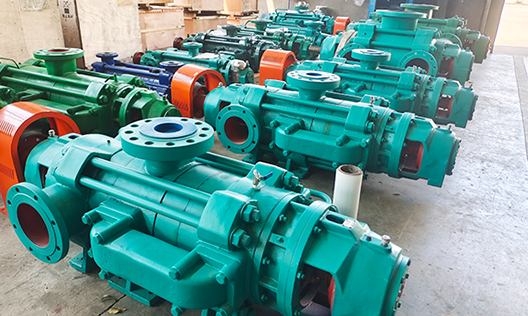
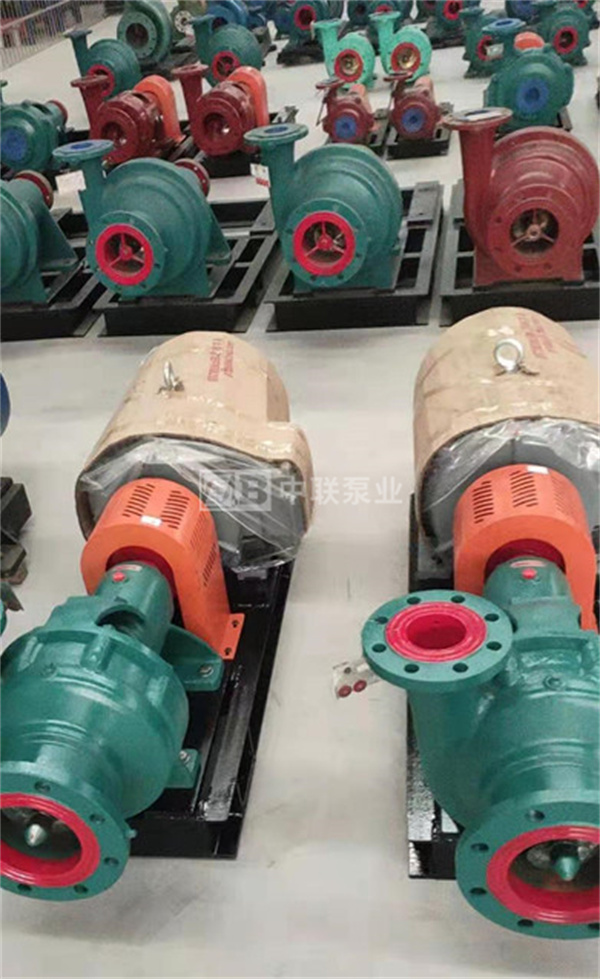
Puede fabricar 26 series de productos, incluyendo bombas de circulación para grandes centrales eléctricas, bombas de condensación para grandes centrales eléctricas, bombas petroquímicas, bombas multietapa, bombas de aguas residuales y lodo, bombas multietapa autoequilibradas, bombas de doble succión y única etapa tipo split, y bombas centrífugas de succión simple y única etapa.
-
Cases
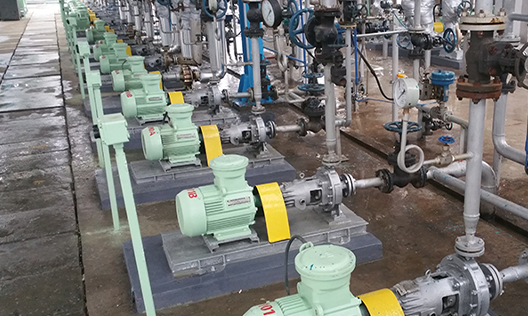
La elección de más de cientos de miles de clientes, cubriendo industrias como minería de carbón, metalurgia, química, energía, recursos hídricos, alimentos, municipalidades y protección ambiental, y exportando a Asia Sudeste, África, América y otros lugares.
-
Service
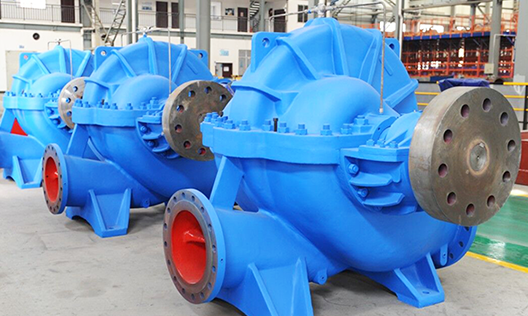
La empresa fue la primera en la industria en obtener las certificaciones internacionales del sistema de calidad ISO 9001:2008, del sistema de gestión ambiental ISO 14001 y del sistema de gestión de seguridad y salud ocupacional GB/T 28001, además de la certificación API 610 de la Asociación Estadounidense del Petróleo.
-
About us
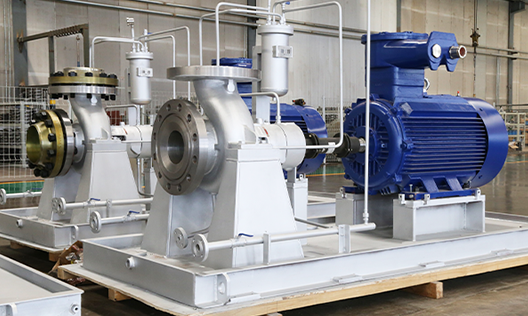
La empresa, fundada en 1989, es una empresa nacional de alta tecnología integral que integra diseño, investigación y desarrollo, fabricación y servicios; actualmente es una empresa clave en la industria china de bombas centrífugas y una de las grandes fábricas especializadas.
-

Blogs
Con productos innovadores, calidad excepcional y servicios integrales, buscamos la verdad y la pragmática, avanzamos con iniciativa, y nos esforzamos por lograr el objetivo de ser "la marca líder en el campo de aplicación de bombas centrífugas en el país"! Raigada en Hunan, orientada a todo el país y hacia el mundo!
The Essential Guide to Condensate Pumps: Understanding Their Role in Industrial Applications
Publication Date:
2026-07-31
Author:
Source:


A condensate pump typically operates by using a float switch mechanism. When the level of condensate rises to a predetermined point, the float switch activates the pump, causing it to discharge the accumulated water. This automatic operation ensures that the system remains free of excess water, which can lead to inefficiencies, equipment damage, or even hazardous conditions.
One of the main benefits of utilizing a condensate pump in industrial settings is its ability to improve energy efficiency. When condensate is not properly managed, it can lead to water hammer—a condition that can cause significant damage to pipes and fittings. Moreover, a buildup of condensate can reduce the efficiency of steam systems, leading to increased energy consumption. By effectively removing condensate, these pumps help maintain optimal system performance, ultimately saving energy and reducing operational costs.
Additionally, condensate pumps contribute to workplace safety. In industries where steam is used, the presence of excess water can create slippery surfaces, posing a hazard to workers. By efficiently managing condensate, these pumps help mitigate such risks, fostering a safer work environment.
It's also important to consider the selection and maintenance of condensate pumps. Different applications may require specific types of pumps, such as submersible or vertical pumps, depending on the system setup and requirements. Regular maintenance is essential to ensure the longevity and reliability of the pump. This includes checking the float switch operation, inspecting for leaks, and cleaning any accumulated debris that could impede function.
In summary, condensate pumps are critical components in many industrial applications that rely on steam or heated water. They help maintain energy efficiency, promote safety, and reduce the risk of equipment damage. Understanding the significance of condensate pumps and properly maintaining them can lead to enhanced operational efficiency and a safer working environment. Whether you're involved in the design, implementation, or maintenance of industrial systems, having a solid grasp of condensate pumps will undoubtedly benefit your operations.
Previous:
Recommended Information


Related Products
Perhaps you also want to know?
Zoomlian Pump Industry
Address:No. 210, Environmental Protection Middle Road, Yuhua Economic Development Zone, Changsha City, Hunan Province China
All rights reserved © Changsha Zoomlian Pump Co., Ltd.
This website supports IPv4 IPv6 bidirectional access
Website construction:Zhongqi Power Changsha