

-
Products
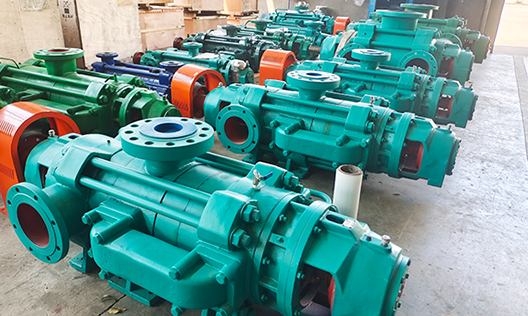
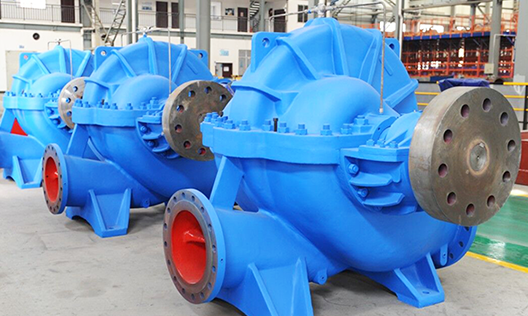
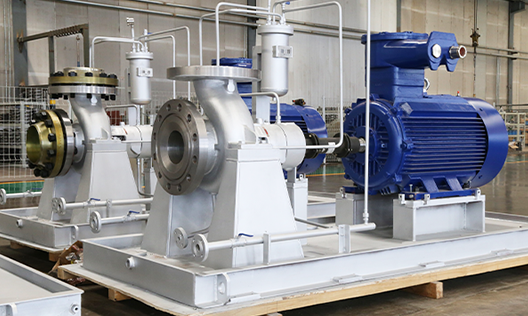
Puede fabricar 26 series de productos, incluyendo bombas de circulación para grandes centrales eléctricas, bombas de condensación para grandes centrales eléctricas, bombas petroquímicas, bombas multietapa, bombas de aguas residuales y lodo, bombas multietapa autoequilibradas, bombas de doble succión y única etapa tipo split, y bombas centrífugas de succión simple y única etapa.
-
Cases
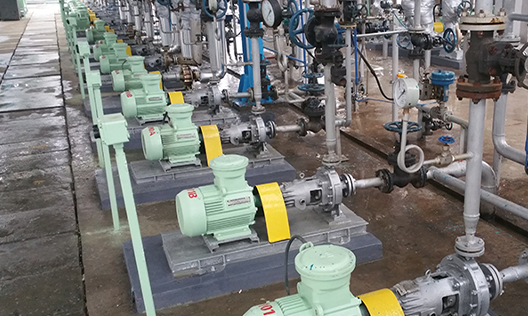
La elección de más de cientos de miles de clientes, cubriendo industrias como minería de carbón, metalurgia, química, energía, recursos hídricos, alimentos, municipalidades y protección ambiental, y exportando a Asia Sudeste, África, América y otros lugares.
-
Service
La empresa fue la primera en la industria en obtener las certificaciones internacionales del sistema de calidad ISO 9001:2008, del sistema de gestión ambiental ISO 14001 y del sistema de gestión de seguridad y salud ocupacional GB/T 28001, además de la certificación API 610 de la Asociación Estadounidense del Petróleo.
-
About us
La empresa, fundada en 1989, es una empresa nacional de alta tecnología integral que integra diseño, investigación y desarrollo, fabricación y servicios; actualmente es una empresa clave en la industria china de bombas centrífugas y una de las grandes fábricas especializadas.
-

Blogs
Con productos innovadores, calidad excepcional y servicios integrales, buscamos la verdad y la pragmática, avanzamos con iniciativa, y nos esforzamos por lograr el objetivo de ser "la marca líder en el campo de aplicación de bombas centrífugas en el país"! Raigada en Hunan, orientada a todo el país y hacia el mundo!
Why Choosing the Right Hot Water Pump Can Save You Energy
Publication Date:
2026-07-28
Author:
Source:


Why Choosing the Right Hot Water Pump Can Save You Energy
Hot water pumps are critical components in various applications, from residential heating solutions to industrial processes. The efficiency and effectiveness of these pumps can have a profound impact on energy consumption and costs. In this article, we will delve into the various factors that affect energy savings when selecting a hot water pump, the types of pumps available, and tips for making an informed choice.
Understanding Hot Water Pumps and Their Importance
Hot water pumps, also known as hot water circulating pumps, are designed to move hot water from a heating source to various points of use, ensuring a consistent supply of heated water. These pumps are widely used in residential water heating systems, commercial buildings, and industrial applications.
Choosing the right hot water pump is essential because it directly influences energy efficiency, operational costs, and the overall comfort of users. An appropriate pump not only provides adequate water pressure but also minimizes energy waste, reducing your carbon footprint.
The Role of Efficiency in Hot Water Pumps
The efficiency of a hot water pump is measured by its ability to convert electrical energy into hydraulic energy without wasting excess energy in the process. This efficiency can be significantly impacted by several factors:
1. **Pump Design**: Different pump designs, such as centrifugal, submersible, or positive displacement pumps, offer varying levels of efficiency depending on the application.
2. **Motor Type**: High-efficiency motors (HEMs) can drastically reduce energy consumption compared to standard motors, making them a crucial consideration.
3. **Pump Size**: Oversized pumps can lead to energy waste, as they operate at lower efficiency levels when running under less than full capacity.
Common Types of Hot Water Pumps
In order to make an informed decision, it’s vital to understand the types of hot water pumps available:
- **Centrifugal Pumps**: Widely used for their efficiency in moving large volumes of water. They are ideal for residential applications where a consistent flow rate is necessary.
- **Submersible Pumps**: Designed to operate underwater, these pumps are used in scenarios where space is limited or where water needs to be lifted from a significant depth.
- **Positive Displacement Pumps**: Known for their ability to move a fixed volume of water with each cycle, making them ideal for applications requiring precise flow control.
Each type of pump comes with its own set of advantages and disadvantages, so it's crucial to evaluate your specific needs before making a choice.
Key Factors to Consider When Choosing a Hot Water Pump
To ensure you select the right hot water pump for your needs, consider the following factors:
1. Flow Rate and Pressure Requirements
Assessing the flow rate—measured in gallons per minute (GPM)—and pressure requirements is essential. A pump must be capable of delivering the necessary water volume to meet your demands while maintaining optimal pressure.
2. Energy Efficiency Ratings
Look for pumps with high energy efficiency ratings, such as those certified by ENERGY STAR. These pumps will not only save you money on utility bills but also contribute to a more sustainable environment.
3. Installation and Maintenance
Evaluate the ease of installation and maintenance. Some hot water pumps require specialized installation or regular servicing, which can add to long-term costs. Choosing a model known for its reliability and low maintenance requirements can provide peace of mind.
4. Noise Levels
Noise can be an important factor, especially in residential settings. Opt for pumps designed with noise-reduction features if you are concerned about sound levels.
5. Cost Considerations
While the initial purchase price is important, consider the total cost of ownership, which includes installation, maintenance, and energy consumption over time. Investing in a high-quality, efficient hot water pump may lead to significant savings in the long run.
How Choosing the Right Hot Water Pump Saves Energy
Choosing the right hot water pump can result in substantial energy savings, which can be attributed to several factors:
1. Optimized Performance
An appropriately sized pump that meets your flow and pressure requirements operates more efficiently, leading to less energy waste.
2. Reduced Run Time
High-efficiency pumps often feature variable speed drives that allow them to adjust their speed based on demand. This means they don't have to run at full capacity all the time, which can significantly reduce energy consumption.
3. Improved Heat Retention
Quality pumps ensure that hot water is delivered quickly and effectively, reducing heat loss during transit. This efficiency minimizes the need for additional heating, leading to lower energy consumption.
4. Lower Carbon Footprint
By selecting an efficient hot water pump, you contribute to reducing greenhouse gas emissions associated with energy production, making your operation more environmentally friendly.
Best Practices for Maintaining Hot Water Pumps
Proper maintenance is crucial for ensuring the longevity and efficiency of your hot water pump. Here are several best practices:
1. Regular Inspections
Conduct regular inspections to identify any potential issues early. Look for leaks, unusual noises, or vibrations that may indicate a malfunction.
2. Clean Filters and Strainers
Dirty filters can restrict flow and reduce efficiency. Clean or replace filters and strainers as needed to maintain optimal performance.
3. Monitor Performance Metrics
Keep track of your pump's performance metrics, including flow rate and energy consumption. Any significant changes may indicate that your pump requires attention.
4. Professional Servicing
Schedule professional servicing at least once a year to ensure your hot water pump is operating at its best. A qualified technician can provide insights and perform necessary adjustments.
Frequently Asked Questions (FAQs)
1. What is the lifespan of a hot water pump?
Most hot water pumps can last between 10 to 15 years with proper maintenance, but this can vary based on usage and environmental factors.
2. How do I know what size pump I need?
The size of the pump depends on your flow rate and pressure requirements. Consulting with a professional can help determine the right size for your specific needs.
3. Are high-efficiency hot water pumps worth the investment?
Yes, high-efficiency pumps can lead to substantial savings on energy bills over time, making them a worthwhile investment.
4. Can I install a hot water pump myself?
While some homeowners may opt for DIY installation, it's recommended to hire a professional to ensure proper setup and compliance with local regulations.
5. What maintenance is required for hot water pumps?
Regular inspections, cleaning filters, and professional servicing are essential for maintaining optimal pump performance and longevity.
Conclusion
Selecting the right hot water pump is a crucial decision that can lead to significant energy savings and operational efficiency. Understanding the various types of pumps, their efficiencies, and the key factors that influence your choice will empower you to make an informed decision. By following best practices for maintenance, you can ensure your pump operates at peak performance, further enhancing energy savings. As we transition toward more sustainable energy practices, your choice of a hot water pump can contribute positively to both your wallet and the environment, making it a win-win situation.
Previous:
Recommended Information


Related Products
Perhaps you also want to know?
Zoomlian Pump Industry
Address:No. 210, Environmental Protection Middle Road, Yuhua Economic Development Zone, Changsha City, Hunan Province China
All rights reserved © Changsha Zoomlian Pump Co., Ltd.
This website supports IPv4 IPv6 bidirectional access
Website construction:Zhongqi Power Changsha