

-
Products
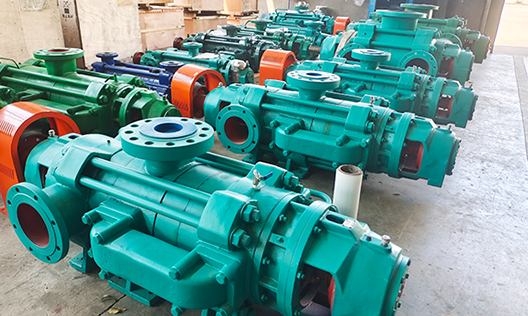
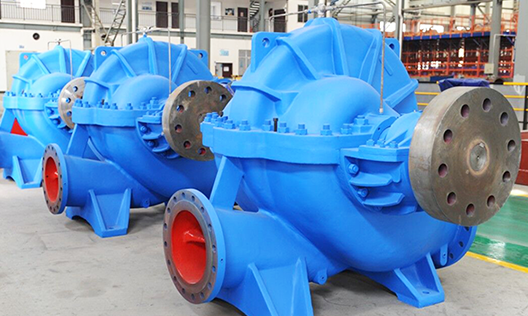
Puede fabricar 26 series de productos, incluyendo bombas de circulación para grandes centrales eléctricas, bombas de condensación para grandes centrales eléctricas, bombas petroquímicas, bombas multietapa, bombas de aguas residuales y lodo, bombas multietapa autoequilibradas, bombas de doble succión y única etapa tipo split, y bombas centrífugas de succión simple y única etapa.
-
Cases
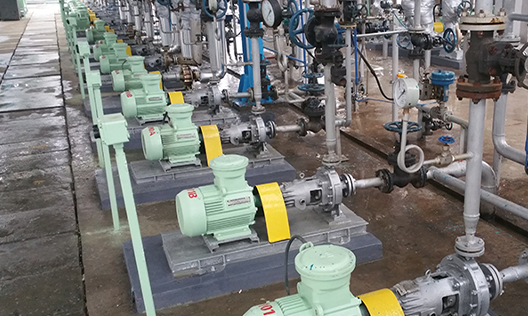
La elección de más de cientos de miles de clientes, cubriendo industrias como minería de carbón, metalurgia, química, energía, recursos hídricos, alimentos, municipalidades y protección ambiental, y exportando a Asia Sudeste, África, América y otros lugares.
-
Service
La empresa fue la primera en la industria en obtener las certificaciones internacionales del sistema de calidad ISO 9001:2008, del sistema de gestión ambiental ISO 14001 y del sistema de gestión de seguridad y salud ocupacional GB/T 28001, además de la certificación API 610 de la Asociación Estadounidense del Petróleo.
-
About us
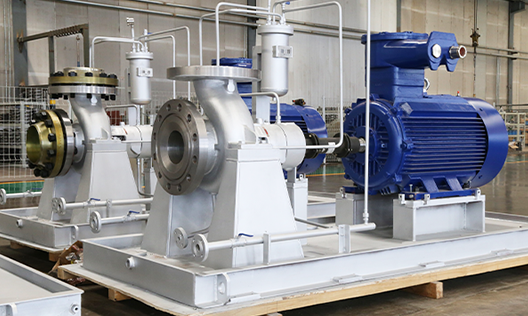
La empresa, fundada en 1989, es una empresa nacional de alta tecnología integral que integra diseño, investigación y desarrollo, fabricación y servicios; actualmente es una empresa clave en la industria china de bombas centrífugas y una de las grandes fábricas especializadas.
-

Blogs
Con productos innovadores, calidad excepcional y servicios integrales, buscamos la verdad y la pragmática, avanzamos con iniciativa, y nos esforzamos por lograr el objetivo de ser "la marca líder en el campo de aplicación de bombas centrífugas en el país"! Raigada en Hunan, orientada a todo el país y hacia el mundo!
Avoiding Pitfalls When Purchasing Wholesale Horizontal Multistage Pumps: A Comprehensive Guide
Publication Date:
2026-07-16
Author:
Source:


Avoiding Pitfalls When Purchasing Wholesale Horizontal Multistage Pumps
Purchasing **horizontal multistage pumps** can be a complex task, especially when navigating the wholesale market. These pumps are designed to handle various industrial applications, ranging from water supply to chemical processing. However, the stakes are high, and making an uninformed decision can lead to significant financial losses and operational setbacks. We aim to equip you with the knowledge necessary to avoid common pitfalls in this buying process.
Table of Contents
1. Understanding Wholesale Horizontal Multistage Pumps
2. Key Specifications to Consider When Buying
3. The Importance of Researching Suppliers
4. Evaluating Technical Specifications
5. Common Mistakes to Avoid When Purchasing
6. Cost vs. Quality Analysis
7. The Role of Warranty and Support
8. Frequently Asked Questions (FAQs)
9. Conclusion
Understanding Wholesale Horizontal Multistage Pumps
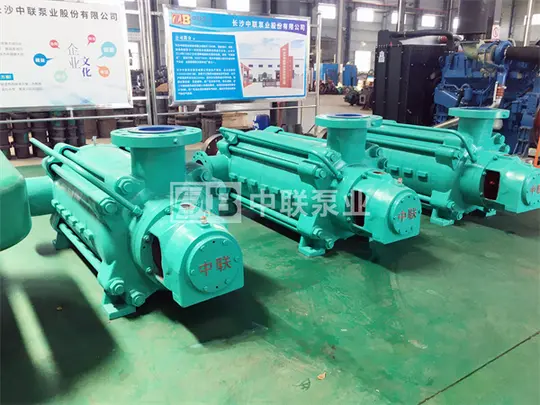
Horizontal multistage pumps are specifically engineered to provide high efficiency and reliability in fluid transfer applications. They consist of multiple impellers mounted in a single casing, allowing them to build pressure effectively. When purchasing these pumps wholesale, it’s crucial to understand their operational efficiency, maintenance needs, and the unique applications they are suited for.
**Key Applications**:
- **Water Treatment**: Effectively used for clean water and wastewater applications.
- **Industrial Processes**: Ideal for various industrial settings, including chemical processing and manufacturing.
- **Irrigation Systems**: Often employed in agricultural irrigation systems due to their ability to maintain consistent pressure.
Understanding the operational parameters and applications of horizontal multistage pumps helps buyers make informed choices aligned with their specific needs.
Key Specifications to Consider When Buying
Choosing the right horizontal multistage pump involves examining several technical specifications. Failing to consider these factors can lead to inefficiencies and increased costs over time. Here are some critical specifications to pay attention to:
1. Flow Rate
The flow rate, measured in gallons per minute (GPM) or liters per second (L/s), indicates how much liquid the pump can move in a given time. It is essential to choose a pump that meets your operational flow rate requirements without exceeding necessary levels.
2. Head Pressure
This specification indicates the height to which the pump can raise water. It's crucial to ensure that the pump's head pressure matches your system’s requirements to avoid inadequate performance or damage.
3. Material Construction
Pumps are available in various materials, including stainless steel, bronze, and plastic. The choice of material depends on the fluid being pumped and its corrosiveness. For harsh chemicals, stainless steel is often the best option.
4. Power Consumption
Evaluate the energy efficiency of the pump. Consider a pump with lower power consumption to save on energy costs over time.
5. Impeller Design
The design of the impeller affects the pump's efficiency and capability. Multi-channel impellers typically offer better performance for applications requiring high flow rates.
The Importance of Researching Suppliers
Choosing a reputable supplier is just as crucial as selecting the right pump. Researching potential suppliers can save you from future headaches. Here’s how to ensure you choose wisely:
1. Check Reviews and Testimonials
Look for reviews from previous customers. Positive testimonials may indicate reliability while negative feedback can signal potential issues.
2. Verify Certifications
Ensure that the supplier adheres to industry standards and holds necessary certifications. This guarantees that their products meet safety and quality regulations.
3. Request Product Samples
Whenever possible, request product samples to assess quality firsthand. This step allows you to evaluate the pump’s performance and construction before committing to a bulk purchase.
Evaluating Technical Specifications
Beyond basic specifications, buyers need to delve deeper into the technical aspects of the pumps. Understanding these details can help refine your selection process. Here are some areas to focus on:
1. Efficiency Ratings
Look for high-efficiency pumps with low energy consumption. Efficiency ratings can significantly impact long-term operating costs.
2. Noise Levels
Evaluate the noise levels produced by the pump during operation. In settings where noise pollution is a concern, consider models designed for quieter operations.
3. Maintenance Requirements
Understand the maintenance needs of the pump post-purchase. Some pumps require regular servicing and parts replacement, while others may offer low-maintenance solutions.
Common Mistakes to Avoid When Purchasing
Avoiding common pitfalls can save you time and money. Here are frequent mistakes to watch out for:
1. Ignoring Pump Sizing
Selecting a pump without considering the right size and specifications can lead to inefficiencies. Always calculate the required dimensions based on your operational needs.
2. Overlooking Warranty Terms
Purchasing without reviewing warranty details can result in unexpected costs. Ensure you understand the terms and conditions associated with the warranty.
3. Failing to Consider Total Cost of Ownership (TCO)
Many buyers focus solely on purchase price rather than considering the total cost of ownership, which includes maintenance, energy costs, and potential repairs.
Cost vs. Quality Analysis
When purchasing wholesale horizontal multistage pumps, balancing cost and quality is essential. Here’s how to conduct an effective cost vs. quality analysis:
1. Evaluate Long-term Value
A cheaper pump may seem appealing upfront, but consider its long-term reliability, efficiency, and maintenance costs. Investing in a higher-quality pump can result in lower operating expenses over time.
2. Compare Similar Products
When comparing pumps, ensure you’re evaluating similar models and specifications to make an accurate assessment of quality versus cost.
The Role of Warranty and Support
Warranties and customer support play a vital role in your purchasing decision. Consider the following:
1. Warranty Length
A longer warranty often indicates the manufacturer’s confidence in their product. Evaluate the terms of the warranty and any exclusions.
2. Availability of Technical Support
Ensure the supplier offers accessible technical support and services. Quick access to assistance can save time during installation and maintenance.
Frequently Asked Questions (FAQs)
1. What is a horizontal multistage pump used for?
Horizontal multistage pumps are commonly used for applications requiring high pressure and flow rates, such as water treatment, chemical processing, and irrigation.
2. How do I determine the right flow rate for my needs?
Calculate your system's requirements based on the specific application, considering factors such as pressure loss and pipe diameter.
3. What maintenance do horizontal multistage pumps require?
Regular maintenance typically includes checking seals, bearings, and impellers, as well as ensuring proper lubrication levels.
4. Are there energy-efficient options available?
Yes, many manufacturers now provide energy-efficient models designed to reduce operational costs without sacrificing performance.
5. How can I assess the quality of a pump before purchasing?
Request samples, read customer reviews, and check for certifications that indicate the product meets industry standards.
Conclusion
Purchasing wholesale horizontal multistage pumps can be a daunting task, but understanding critical specifications and avoiding common pitfalls can lead to a successful acquisition. By conducting thorough research, evaluating suppliers, and considering both cost and quality, you position your organization to make informed decisions that enhance operational efficiency. Take the time to consider all factors, and you will not only secure a reliable pump but also contribute to the long-term success of your projects.
Previous:
Recommended Information


Related Products
Perhaps you also want to know?
Zoomlian Pump Industry
Address:No. 210, Environmental Protection Middle Road, Yuhua Economic Development Zone, Changsha City, Hunan Province China
All rights reserved © Changsha Zoomlian Pump Co., Ltd.
This website supports IPv4 IPv6 bidirectional access
Website construction:Zhongqi Power Changsha