

-
Products
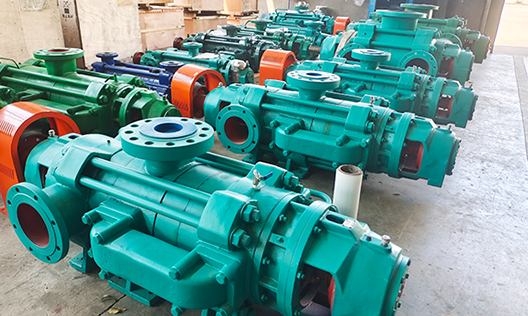
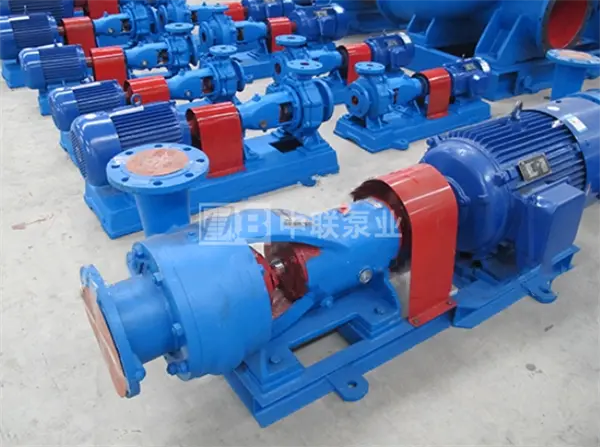
Puede fabricar 26 series de productos, incluyendo bombas de circulación para grandes centrales eléctricas, bombas de condensación para grandes centrales eléctricas, bombas petroquímicas, bombas multietapa, bombas de aguas residuales y lodo, bombas multietapa autoequilibradas, bombas de doble succión y única etapa tipo split, y bombas centrífugas de succión simple y única etapa.
-
Cases
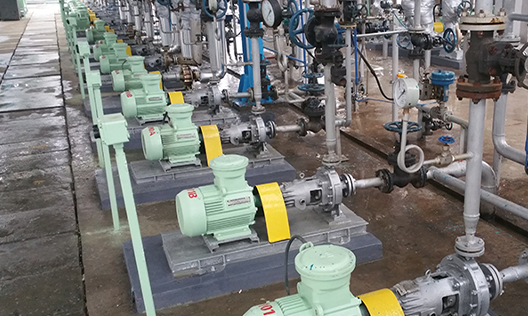
La elección de más de cientos de miles de clientes, cubriendo industrias como minería de carbón, metalurgia, química, energía, recursos hídricos, alimentos, municipalidades y protección ambiental, y exportando a Asia Sudeste, África, América y otros lugares.
-
Service
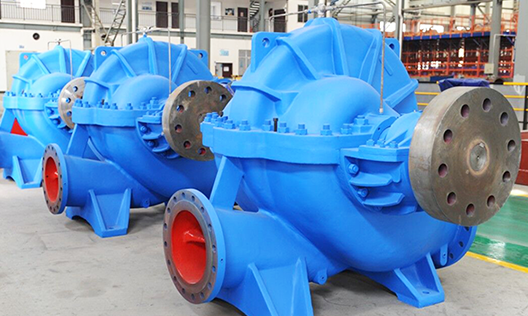
La empresa fue la primera en la industria en obtener las certificaciones internacionales del sistema de calidad ISO 9001:2008, del sistema de gestión ambiental ISO 14001 y del sistema de gestión de seguridad y salud ocupacional GB/T 28001, además de la certificación API 610 de la Asociación Estadounidense del Petróleo.
-
About us
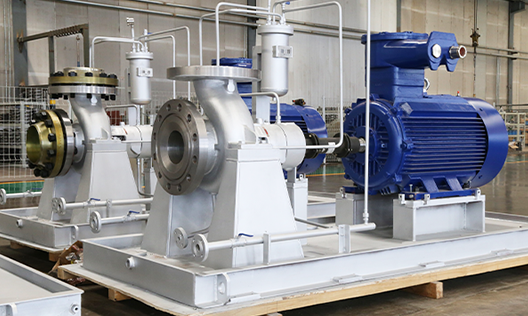
La empresa, fundada en 1989, es una empresa nacional de alta tecnología integral que integra diseño, investigación y desarrollo, fabricación y servicios; actualmente es una empresa clave en la industria china de bombas centrífugas y una de las grandes fábricas especializadas.
-

Blogs
Con productos innovadores, calidad excepcional y servicios integrales, buscamos la verdad y la pragmática, avanzamos con iniciativa, y nos esforzamos por lograr el objetivo de ser "la marca líder en el campo de aplicación de bombas centrífugas en el país"! Raigada en Hunan, orientada a todo el país y hacia el mundo!
Maintaining Your OEM Boiler Feed Pump: Best Practices for Optimal Performance
Publication Date:
2026-07-10
Author:
Source:


Maintaining Your OEM Boiler Feed Pump: Best Practices for Optimal Performance
Table of Contents
- Introduction to OEM Boiler Feed Pumps
- Why Regular Maintenance is Crucial
- Comprehensive Maintenance Checklist
- Daily Maintenance Tasks
- Weekly Maintenance Tasks
- Monthly Maintenance Tasks
- Quarterly Maintenance Tasks
- Annual Maintenance Tasks
- Troubleshooting Common Issues
- Best Practices for Optimal Performance
- Conclusion
- FAQs About OEM Boiler Feed Pump Maintenance
Introduction to OEM Boiler Feed Pumps
In industrial settings, OEM boiler feed pumps play a pivotal role in maintaining the efficiency of boiler systems. These pumps ensure a continuous supply of water to the boiler, critical for generating steam and maintaining operational stability. Given their significance, understanding how to maintain these pumps is essential for prolonged performance and reliability.
Why Regular Maintenance is Crucial
Regular maintenance of your OEM boiler feed pump is not just a best practice; it's essential for several reasons:
1. **Efficiency and Reliability**: Properly maintained pumps operate more efficiently, reducing energy costs and minimizing the risk of unexpected failures.
2. **Longevity**: Routine maintenance can significantly extend the life of your pump, saving costs associated with replacements.
3. **Safety**: Malfunctioning pumps can lead to dangerous situations, including leaks and boiler breakdowns. Regular checks help ensure workplace safety.
4. **Performance Optimization**: Regular maintenance helps to identify and rectify performance issues before they escalate into larger problems, ensuring optimal operation of the entire boiler system.
Comprehensive Maintenance Checklist
A proactive maintenance strategy involves following a structured checklist to keep your OEM boiler feed pump in top condition. This section outlines a detailed maintenance schedule categorized by frequency.
Daily Maintenance Tasks
1. **Visual Inspection**: Check for any visible leaks around the pump and associated piping.
2. **Fluid Level Check**: Ensure that water levels in the feed tank are adequate for operation.
3. **Operational Check**: Listen for unusual noises during operation, which may indicate wear or other issues.
4. **Vibration Monitoring**: Assess the pump for excessive vibrations, which can signal misalignment or imbalance.
Weekly Maintenance Tasks
1. **Filter Inspection**: Examine and clean filters to prevent clogging.
2. **Seal Inspection**: Check seals for signs of wear or leakage.
3. **Motor Check**: Inspect the motor for overheating or unusual sounds, which may indicate electrical issues.
Monthly Maintenance Tasks
1. **Lubrication**: Apply appropriate lubricant to bearings and moving parts to reduce friction and wear.
2. **Calibration**: Ensure that any gauges and controls are correctly calibrated to avoid operational errors.
3. **Testing Control Systems**: Run tests on control systems to confirm that they are functioning correctly.
Quarterly Maintenance Tasks
1. **Performance Testing**: Measure the pump's output performance and check for deviations from expected performance metrics.
2. **Electrical Connections Check**: Inspect all electrical connections for signs of wear or corrosion.
3. **Pump Alignment**: Perform alignment checks on the pump and motor to ensure they are properly aligned.
Annual Maintenance Tasks
1. **Complete Overhaul**: Conduct a thorough inspection and overhaul, which may include replacing worn components.
2. **Water Quality Testing**: Test feed water for contaminants that could affect pump operation and boiler performance.
3. **Training & Review**: Provide training for personnel on the latest maintenance protocols and safety practices.
Troubleshooting Common Issues
Despite regular maintenance, issues may still arise with your OEM boiler feed pump. Below are some common problems and their potential solutions:
1. **Pump Fails to Start**: Check for electrical issues such as blown fuses or tripped circuit breakers. Inspect the power supply for consistency.
2. **Low Flow Rate**: This may be caused by clogged filters or valves. Perform a thorough cleaning and inspect for blockages.
3. **Overheating**: Ensure that the pump is adequately lubricated and that the cooling system is operational. Excessive friction can lead to overheating.
4. **Vibration Issues**: Misalignment or imbalance could be to blame. Perform alignment checks and balance the pump as necessary.
Best Practices for Optimal Performance
Implementing best practices is crucial for ensuring your OEM boiler feed pump operates at peak performance. Consider the following strategies:
1. **Install Monitoring Systems**: Utilize advanced monitoring systems to track pump performance metrics in real-time.
2. **Maintain a Maintenance Log**: Keeping detailed records of maintenance activities aids in identifying patterns and potential issues over time.
3. **Employee Training**: Regularly train staff on proper maintenance techniques and troubleshooting methods. Knowledgeable personnel can significantly reduce downtime.
4. **Use Quality Replacement Parts**: When replacing components, opt for OEM parts to maintain compatibility and performance standards.
5. **Engage Professional Services**: For complex issues, consider engaging professionals specialized in pump maintenance for a thorough assessment.
Conclusion
Maintaining your OEM boiler feed pump is essential for ensuring the longevity and efficiency of your entire boiler system. By adhering to a rigorous maintenance schedule, troubleshooting common issues, and implementing best practices, you can significantly enhance the performance and reliability of your pump. Regular inspections and proactive measures will not only save costs in the long run but also contribute to a safer working environment. Invest in the care of your OEM boiler feed pump today to secure optimal performance for years to come.
FAQs About OEM Boiler Feed Pump Maintenance
1. **How often should I perform maintenance on my boiler feed pump?**
Regular maintenance should be conducted daily, with more in-depth tasks scheduled weekly, monthly, quarterly, and annually.
2. **What signs indicate that my pump needs immediate attention?**
Look for leaks, unusual noises, vibrations, or alarms indicating potential issues that require immediate resolution.
3. **Can I perform maintenance on my pump, or should I hire a professional?**
While routine tasks can be performed by trained personnel, complex issues or overhauls should be handled by professionals.
4. **How do I know if my pump is operating efficiently?**
Monitoring flow rates, energy consumption, and comparing performance metrics against manufacturer specifications can help assess efficiency.
5. **What should I do if I notice a drop in performance?**
Investigate potential causes, such as blockages or mechanical issues, and perform necessary maintenance tasks to restore performance.
Previous:
Recommended Information



Related Products
Perhaps you also want to know?
Zoomlian Pump Industry
Address:No. 210, Environmental Protection Middle Road, Yuhua Economic Development Zone, Changsha City, Hunan Province China
All rights reserved © Changsha Zoomlian Pump Co., Ltd.
This website supports IPv4 IPv6 bidirectional access
Website construction:Zhongqi Power Changsha