

-
Products
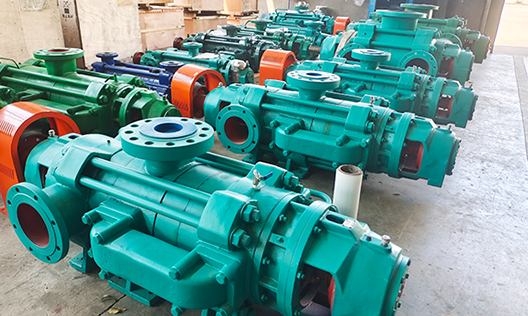
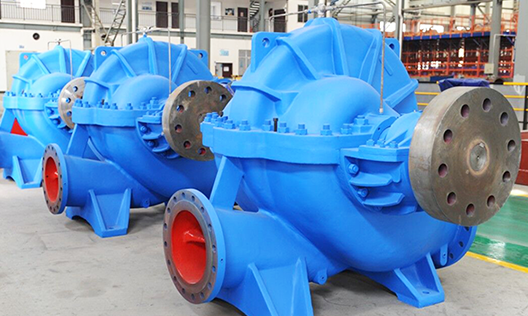
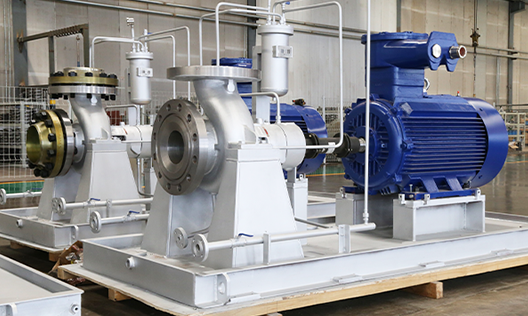
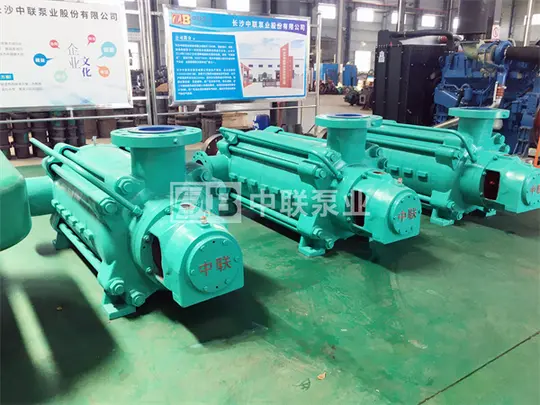
Puede fabricar 26 series de productos, incluyendo bombas de circulación para grandes centrales eléctricas, bombas de condensación para grandes centrales eléctricas, bombas petroquímicas, bombas multietapa, bombas de aguas residuales y lodo, bombas multietapa autoequilibradas, bombas de doble succión y única etapa tipo split, y bombas centrífugas de succión simple y única etapa.
-
Cases
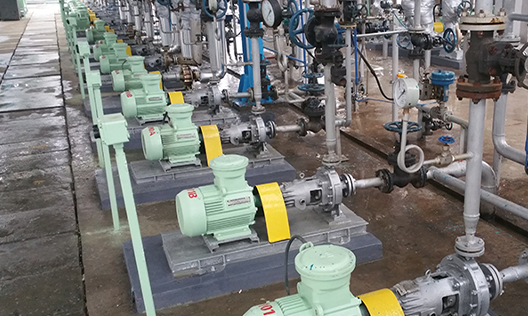
La elección de más de cientos de miles de clientes, cubriendo industrias como minería de carbón, metalurgia, química, energía, recursos hídricos, alimentos, municipalidades y protección ambiental, y exportando a Asia Sudeste, África, América y otros lugares.
-
Service
La empresa fue la primera en la industria en obtener las certificaciones internacionales del sistema de calidad ISO 9001:2008, del sistema de gestión ambiental ISO 14001 y del sistema de gestión de seguridad y salud ocupacional GB/T 28001, además de la certificación API 610 de la Asociación Estadounidense del Petróleo.
-
About us
La empresa, fundada en 1989, es una empresa nacional de alta tecnología integral que integra diseño, investigación y desarrollo, fabricación y servicios; actualmente es una empresa clave en la industria china de bombas centrífugas y una de las grandes fábricas especializadas.
-

Blogs
Con productos innovadores, calidad excepcional y servicios integrales, buscamos la verdad y la pragmática, avanzamos con iniciativa, y nos esforzamos por lograr el objetivo de ser "la marca líder en el campo de aplicación de bombas centrífugas en el país"! Raigada en Hunan, orientada a todo el país y hacia el mundo!
Understanding the Mechanics Behind Advanced Pipeline Pumps: A Comprehensive Guide
Publication Date:
2026-06-04
Author:
Source:


Understanding the Mechanics Behind Advanced Pipeline Pumps
Table of Contents
- 1. Introduction to Pipeline Pumps
- 2. Types of Pipeline Pumps: An Overview
- 3. How Pipeline Pumps Work: The Mechanics Explained
- 4. Applications of Advanced Pipeline Pumps
- 5. Benefits of Using Advanced Pipeline Pumps in Industry
- 6. Choosing the Right Pipeline Pump: Factors to Consider
- 7. Maintenance and Repair of Pipeline Pumps
- 8. The Future of Advanced Pipeline Pump Technology
- 9. Frequently Asked Questions
- 10. Conclusion
1. Introduction to Pipeline Pumps
Pipeline pumps play a crucial role in various industries, including water treatment, oil and gas, and chemical processing. These pumps are specifically designed to transport fluids through pipelines efficiently and reliably. Understanding the mechanics behind these pumps is essential for professionals in the field, as it helps optimize operations and enhance overall system performance.
2. Types of Pipeline Pumps: An Overview
In the world of pipeline pumping, various types exist, each with unique characteristics suited to specific applications. Here, we explore the most common types:
2.1 Centrifugal Pumps
Centrifugal pumps are among the most widely used pipeline pumps. They operate by converting rotational energy from a motor to kinetic energy in the fluid, allowing it to flow through the pipeline. Their design is simple, making them easy to maintain and operate.
2.2 Positive Displacement Pumps
Positive displacement pumps function differently than centrifugal pumps. They trap a fixed amount of fluid and displace it through the system. This type of pump is ideal for high-viscosity fluids or applications requiring precise flow control.
2.3 Submersible Pumps
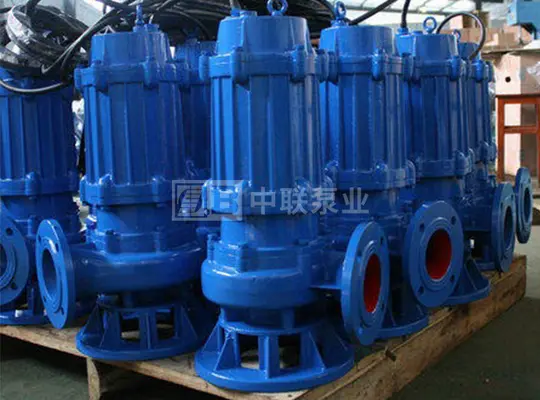
Submersible pumps are specifically designed to operate underwater. They are commonly used in sewage and wastewater applications, where they efficiently transport fluids from below the surface to the treatment facility or discharge point.
3. How Pipeline Pumps Work: The Mechanics Explained
Understanding how pipeline pumps work involves delving into the physical principles that govern their operation.
3.1 The Principle of Operation
Most pipeline pumps operate on the principle of fluid dynamics. The pump's impeller, a rotating component, exerts centrifugal force on the fluid, pushing it outward and generating flow. The design of the pump casing aids in directing this flow through the pipeline.
3.2 Key Components of Pipeline Pumps
The essential components of a pipeline pump include the impeller, casing, motor, and bearings. Each component contributes to the pump's efficiency and reliability.
3.2.1 Impeller
The impeller's design and material significantly affect the pump's performance. A well-designed impeller can optimize flow rates and minimize energy consumption.
3.2.2 Casing
The casing provides structural integrity and helps guide the fluid through the pump. Its design can influence the efficiency of the pump as well.
3.2.3 Motor
The motor drives the pump, converting electrical energy into mechanical energy. The type of motor and its efficiency can impact the overall performance of the pumping system.
4. Applications of Advanced Pipeline Pumps
Advanced pipeline pumps serve a wide array of applications across various industries.
4.1 Water Supply and Distribution
In municipal water systems, pipeline pumps ensure a steady supply of water to homes and businesses. They are designed to handle various flow rates and pressures to meet demand.
4.2 Oil and Gas Industry
In the oil and gas sector, pipeline pumps transport crude oil, refined products, and natural gas. Their reliability and efficiency are critical in maintaining the supply chain.
4.3 Chemical Processing
Chemical plants utilize pipeline pumps to move corrosive and viscous fluids safely. These pumps must be designed to withstand harsh conditions and maintain product integrity.
5. Benefits of Using Advanced Pipeline Pumps in Industry
Utilizing advanced pipeline pumps offers numerous advantages, enhancing operational efficiency and reliability.
5.1 Increased Efficiency
Modern pipeline pumps are designed for optimal energy efficiency, reducing operational costs and lowering carbon footprints.
5.2 Enhanced Reliability
Advanced materials and designs contribute to increased durability, minimizing downtime and maintenance costs.
5.3 Versatility
Pipeline pumps are versatile, capable of handling various fluids and adapting to different applications, making them invaluable in diverse industrial settings.
6. Choosing the Right Pipeline Pump: Factors to Consider
Selecting the appropriate pipeline pump requires consideration of several factors:
6.1 Flow Rate Requirements
Understanding the required flow rate is essential in selecting a pump that will meet operational needs without overloading the system.
6.2 Fluid Characteristics
The type of fluid, including its viscosity, temperature, and chemical composition, influences the choice of pump.
6.3 System Pressure
Knowing the pressure requirements of the system helps ensure that the pump can operate effectively under varying conditions.
7. Maintenance and Repair of Pipeline Pumps
Regular maintenance is crucial to ensure the longevity and efficiency of pipeline pumps.
7.1 Routine Inspections
Conducting routine inspections can help identify potential issues before they escalate, reducing the likelihood of unplanned downtime.
7.2 Lubrication and Component Checks
Keeping components well-lubricated and checking for wear and tear can significantly extend the life of the pump.
7.3 Replacement of Worn Parts
Replacing worn parts promptly can prevent further damage and maintain optimal performance.
8. The Future of Advanced Pipeline Pump Technology
As industries evolve, so do pipeline pump technologies. Future advancements are likely to focus on:
8.1 Smart Pump Technologies
Integrating IoT and smart technologies will enable real-time monitoring and predictive maintenance, enhancing efficiency and reducing costs.
8.2 Eco-Friendly Designs
Design innovations aimed at sustainability will drive the development of pumps that consume less energy and have a lower environmental impact.
8.3 Advanced Materials
The use of advanced materials that withstand corrosion and wear will improve the durability and reliability of pipeline pumps.
9. Frequently Asked Questions
9.1 What is the primary function of a pipeline pump?
Pipeline pumps are designed to transport fluids through a pipeline system, ensuring a steady flow of liquid or gas from one point to another.
9.2 How do I determine the right type of pipeline pump for my application?
Consider factors such as flow rate, fluid characteristics, and system pressure when selecting a pipeline pump.
9.3 What maintenance practices are essential for pipeline pumps?
Routine inspections, lubrication, and timely replacement of worn parts are crucial for maintaining pipeline pumps.
9.4 Can pipeline pumps handle corrosive fluids?
Yes, many advanced pipeline pumps are designed with materials that can withstand corrosive substances, but it's essential to select the right pump for specific applications.
9.5 What future trends should I be aware of in pipeline pump technology?
Expect advancements in smart technologies, eco-friendly designs, and the use of advanced materials to enhance pump performance and sustainability.
10. Conclusion
Understanding the mechanics behind advanced pipeline pumps is crucial for optimizing their use in various industrial applications. By familiarizing ourselves with the types, operation, and maintenance of these pumps, we can make informed decisions that enhance efficiency and reliability in our operations. As technology advances, staying abreast of new developments will further empower industries to utilize pipeline pumps effectively, ensuring a sustainable and efficient future.
Recommended Information


Related Products
Perhaps you also want to know?
Zoomlian Pump Industry
Address:No. 210, Environmental Protection Middle Road, Yuhua Economic Development Zone, Changsha City, Hunan Province China
All rights reserved © Changsha Zoomlian Pump Co., Ltd.
This website supports IPv4 IPv6 bidirectional access
Website construction:Zhongqi Power Changsha