

-
Products
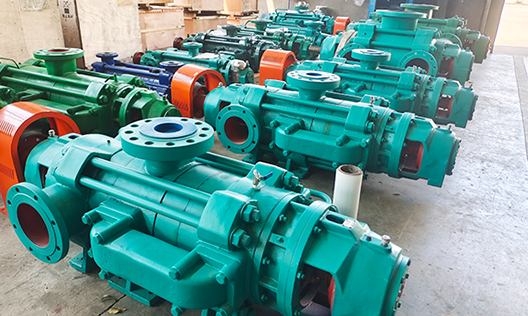
Puede fabricar 26 series de productos, incluyendo bombas de circulación para grandes centrales eléctricas, bombas de condensación para grandes centrales eléctricas, bombas petroquímicas, bombas multietapa, bombas de aguas residuales y lodo, bombas multietapa autoequilibradas, bombas de doble succión y única etapa tipo split, y bombas centrífugas de succión simple y única etapa.
-
Cases
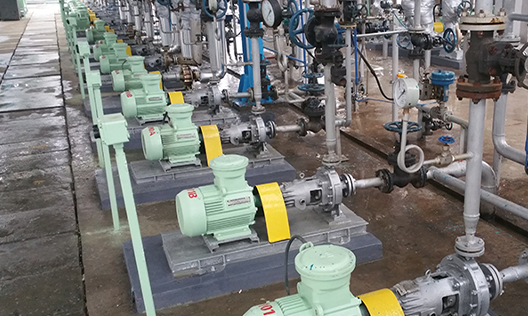
La elección de más de cientos de miles de clientes, cubriendo industrias como minería de carbón, metalurgia, química, energía, recursos hídricos, alimentos, municipalidades y protección ambiental, y exportando a Asia Sudeste, África, América y otros lugares.
-
Service
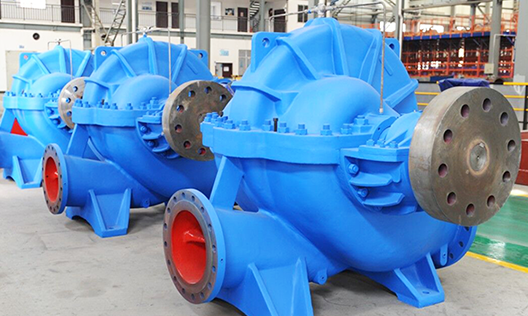
La empresa fue la primera en la industria en obtener las certificaciones internacionales del sistema de calidad ISO 9001:2008, del sistema de gestión ambiental ISO 14001 y del sistema de gestión de seguridad y salud ocupacional GB/T 28001, además de la certificación API 610 de la Asociación Estadounidense del Petróleo.
-
About us
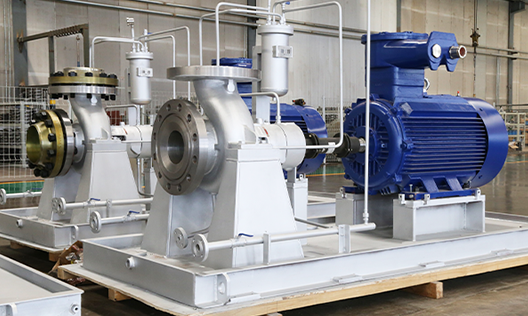
La empresa, fundada en 1989, es una empresa nacional de alta tecnología integral que integra diseño, investigación y desarrollo, fabricación y servicios; actualmente es una empresa clave en la industria china de bombas centrífugas y una de las grandes fábricas especializadas.
-

Blogs
Con productos innovadores, calidad excepcional y servicios integrales, buscamos la verdad y la pragmática, avanzamos con iniciativa, y nos esforzamos por lograr el objetivo de ser "la marca líder en el campo de aplicación de bombas centrífugas en el país"! Raigada en Hunan, orientada a todo el país y hacia el mundo!
Understanding the Flow Dynamics of Horizontal Multistage Pumps: A Comprehensive Guide
Publication Date:
2026-05-29
Author:
Source:


Understanding the Flow Dynamics of Horizontal Multistage Pumps
Table of Contents
- 1. Introduction to Horizontal Multistage Pumps
- 2. Principles of Flow Dynamics in Multistage Pumps
- 3. Design Features of Horizontal Multistage Pumps
- 4. Performance Characteristics of Horizontal Multistage Pumps
- 5. Applications of Horizontal Multistage Pumps
- 6. Maintenance and Troubleshooting Tips
- 7. Frequently Asked Questions
- 8. Conclusion
1. Introduction to Horizontal Multistage Pumps
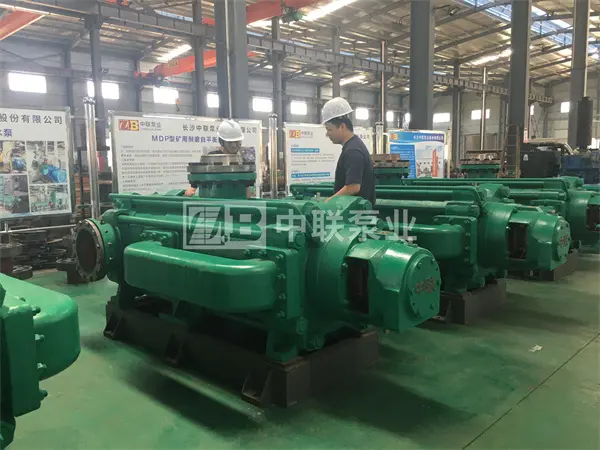
Horizontal multistage pumps serve as essential tools in various industrial applications, particularly in transferring fluids over long distances and significant heights. These pumps consist of multiple impellers mounted on a single shaft, facilitating an efficient increase in pressure while maintaining operational stability. Understanding their flow dynamics is crucial for optimizing performance and ensuring longevity.
2. Principles of Flow Dynamics in Multistage Pumps
Flow dynamics in horizontal multistage pumps rely on a precise balance of forces, including pressure, velocity, and fluid properties. The fundamental principle revolves around the conversion of mechanical energy into hydraulic energy. Here's a closer look at how this process works.
3.1 Impellers and Their Role
Impellers are the heart of horizontal multistage pumps, responsible for imparting energy to the fluid. Each impeller contributes to the overall pressure increase by accelerating the liquid and converting kinetic energy into pressure energy. The design of the impeller, including its shape and material, significantly affects the pump's efficiency and performance.
3.2 Volute and Diffuser Design
The volute is a critical component that directs the flow from the impeller into the pump discharge. It converts the high-velocity fluid output from the impeller into a more uniform and steady flow. The diffuser further enhances this process by minimizing turbulence, thereby increasing efficiency and reducing energy loss.
4. Performance Characteristics of Horizontal Multistage Pumps
Understanding the performance characteristics of horizontal multistage pumps is essential for selecting the right pump for specific applications. Key performance parameters include head, capacity, and efficiency.
4.1 Head and Capacity Curves
Head and capacity curves illustrate the relationship between the pump's flow rate and the pressure it can generate. These curves are instrumental in determining the pump's suitability for a particular application, allowing users to visualize performance across various operational conditions.
4.2 Efficiency Factors in Operation
Efficiency in horizontal multistage pumps is influenced by several factors, including design, fluid viscosity, and operational conditions. High-efficiency pumps minimize energy consumption while maximizing flow, making them ideal for industrial applications where operational costs are a significant concern.
5. Applications of Horizontal Multistage Pumps
Horizontal multistage pumps find application across numerous industries, including water treatment, oil and gas, chemical processing, and agriculture. Their ability to handle high-pressure applications and deliver consistent flow rates makes them versatile components in various systems.
6. Maintenance and Troubleshooting Tips
Regular maintenance is vital for ensuring the longevity and efficiency of horizontal multistage pumps. Here are some essential maintenance practices:
1. **Routine Inspections**: Performing regular inspections helps identify potential issues before they escalate. Check for vibrations, leaks, and unusual noises.
2. **Lubrication**: Ensure that bearings and other moving parts are adequately lubricated to prevent wear and tear.
3. **Cleanliness**: Keep the pump and surrounding area clean to avoid contamination and ensure optimal operation.
4. **Seal Checks**: Inspect seals regularly for wear and replace them as necessary to prevent leaks.
7. Frequently Asked Questions
1. What is the primary function of a horizontal multistage pump?
The primary function is to increase the pressure of a fluid while transferring it over significant distances or heights.
2. How do I select the right horizontal multistage pump for my application?
Consider factors such as flow rate, head requirement, fluid properties, and efficiency ratings to select an appropriate pump.
3. What maintenance practices should I follow for horizontal multistage pumps?
Regular inspections, lubrication, cleanliness, and seal checks are crucial for maintaining pump performance.
4. What are the common issues with horizontal multistage pumps?
Common issues include cavitation, mechanical seal failure, and vibration problems due to misalignment or wear.
5. How can I improve the efficiency of my horizontal multistage pump?
Improvement can be achieved through regular maintenance, optimizing operating conditions, and ensuring proper installation.
8. Conclusion
In summary, understanding the flow dynamics of horizontal multistage pumps is essential for optimizing their performance in various industrial applications. By grasping the principles of operation, design features, and maintenance practices, users can ensure these pumps operate efficiently and reliably. Whether you're involved in water treatment, chemical processing, or any other industry, mastering the intricacies of horizontal multistage pumps can lead to enhanced productivity and reduced operational costs. Embrace the knowledge and apply these insights to elevate your understanding and utilization of horizontal multistage pumps in your operations.
Previous:
Recommended Information



Related Products
Perhaps you also want to know?
Zoomlian Pump Industry
Address:No. 210, Environmental Protection Middle Road, Yuhua Economic Development Zone, Changsha City, Hunan Province China
All rights reserved © Changsha Zoomlian Pump Co., Ltd.
This website supports IPv4 IPv6 bidirectional access
Website construction:Zhongqi Power Changsha