

-
Products
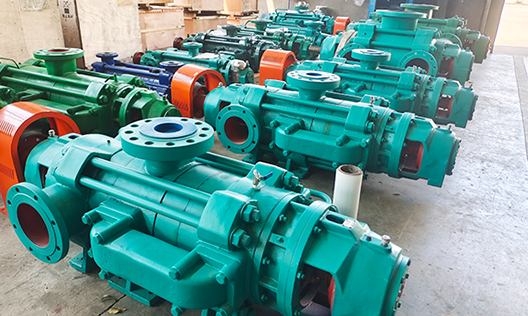
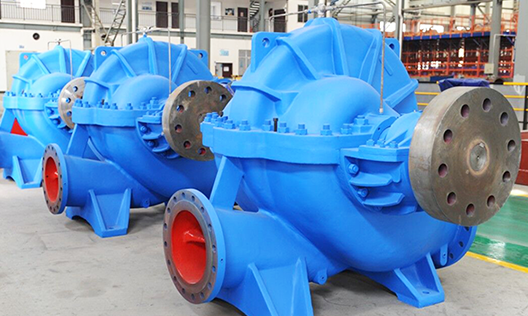
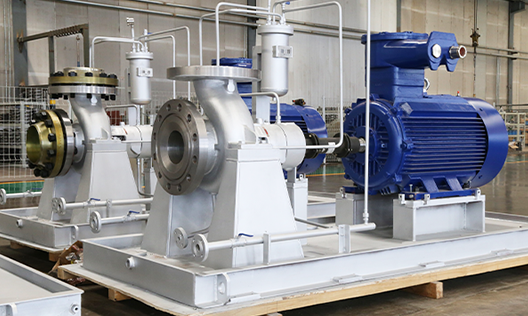
Puede fabricar 26 series de productos, incluyendo bombas de circulación para grandes centrales eléctricas, bombas de condensación para grandes centrales eléctricas, bombas petroquímicas, bombas multietapa, bombas de aguas residuales y lodo, bombas multietapa autoequilibradas, bombas de doble succión y única etapa tipo split, y bombas centrífugas de succión simple y única etapa.
-
Cases
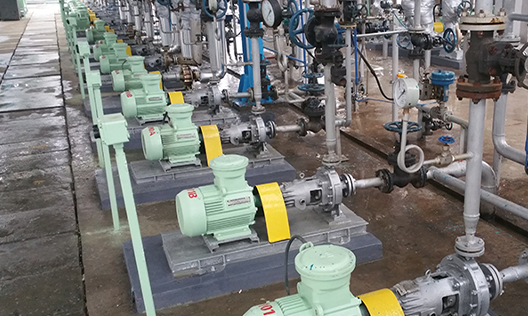
La elección de más de cientos de miles de clientes, cubriendo industrias como minería de carbón, metalurgia, química, energía, recursos hídricos, alimentos, municipalidades y protección ambiental, y exportando a Asia Sudeste, África, América y otros lugares.
-
Service
La empresa fue la primera en la industria en obtener las certificaciones internacionales del sistema de calidad ISO 9001:2008, del sistema de gestión ambiental ISO 14001 y del sistema de gestión de seguridad y salud ocupacional GB/T 28001, además de la certificación API 610 de la Asociación Estadounidense del Petróleo.
-
About us
La empresa, fundada en 1989, es una empresa nacional de alta tecnología integral que integra diseño, investigación y desarrollo, fabricación y servicios; actualmente es una empresa clave en la industria china de bombas centrífugas y una de las grandes fábricas especializadas.
-

Blogs
Con productos innovadores, calidad excepcional y servicios integrales, buscamos la verdad y la pragmática, avanzamos con iniciativa, y nos esforzamos por lograr el objetivo de ser "la marca líder en el campo de aplicación de bombas centrífugas en el país"! Raigada en Hunan, orientada a todo el país y hacia el mundo!
A Comprehensive Guide to Selecting an Advanced Pipeline Pump for Industrial Applications
Publication Date:
2026-05-11
Author:
Source:


A Comprehensive Guide to Selecting an Advanced Pipeline Pump for Industrial Applications
Choosing the right pipeline pump is critical for the efficiency and productivity of industrial operations. With various options available in the market, understanding the nuances of pipeline pumps can help businesses make informed decisions that enhance their systems. In this guide, we will explore the various types of pipeline pumps, key performance metrics, factors to consider during selection, installation tips, and maintenance practices to ensure longevity and efficiency.
Table of Contents
- Introduction to Pipeline Pumps
- Types of Pipeline Pumps
- Centrifugal Pumps
- Positive Displacement Pumps
- Submersible Pumps
- Key Performance Metrics for Pipeline Pumps
- Flow Rate
- Head Pressure
- Efficiency
- Factors to Consider When Selecting a Pipeline Pump
- Fluid Characteristics
- Operating Conditions
- Size and Weight
- Cost and Budget
- Installation of Pipeline Pumps
- Site Preparation
- Pump Alignment and Mounting
- Pipe Connections
- Maintenance Practices for Long-lasting Pipeline Pumps
- Regular Inspections
- Lubrication
- Replacing Worn Parts
- Common Mistakes to Avoid When Selecting Pipeline Pumps
- Conclusion
- FAQs
Introduction to Pipeline Pumps
Pipeline pumps are essential components in industrial operations, serving to transfer fluids efficiently through pipelines. They are designed to move a variety of fluids, including water, chemicals, and other materials, ensuring that processes run smoothly. Given the impact of pump selection on system performance, understanding their characteristics and applications is vital.
Types of Pipeline Pumps
There are several types of pipeline pumps, each with unique functionalities suited for different applications. Understanding these types will aid in making a better selection for specific operational requirements.
Centrifugal Pumps
Centrifugal pumps are the most commonly used type in industrial applications. They operate by converting rotational kinetic energy into hydrodynamic energy, effectively moving fluids through a system. Key advantages include:
- High flow rates
- Simplicity and ease of maintenance
- Variety of designs for different applications
Positive Displacement Pumps
Positive displacement pumps work by trapping a fixed amount of fluid and forcing it through the discharge. This type is particularly useful for applications requiring high pressure and precise flow rates. Advantages include:
- Ability to handle viscous fluids
- Consistent flow rates regardless of pressure changes
- Minimal pulsation in flow
Submersible Pumps
Submersible pumps are designed to function while submerged in the fluid they are pumping. They are commonly used in applications such as dewatering and sewage management. Key benefits include:
- Space efficiency
- Reduced risk of cavitation
- Ability to handle solids in the fluid
Key Performance Metrics for Pipeline Pumps
When selecting a pipeline pump, it is crucial to assess its performance metrics. Understanding these key metrics ensures that the pump meets the operational requirements.
Flow Rate
The flow rate, measured in gallons per minute (GPM) or liters per second (LPS), determines how much fluid can be moved by the pump. It is essential to match the pump's flow rate with the system's demands to avoid inefficiencies.
Head Pressure
Head pressure indicates the pump's ability to lift fluids against gravity. It is essential to calculate the total dynamic head (TDH) to ensure the selected pump can generate sufficient pressure for the application.
Efficiency
Pump efficiency, calculated as the ratio of hydraulic power to input power, is crucial to minimize operational costs. High-efficiency pumps can lead to significant long-term savings and reduced energy consumption.
Factors to Consider When Selecting a Pipeline Pump
Several factors need to be evaluated to ensure the right pipeline pump is chosen for specific applications. These factors can directly impact performance and operational costs.
Fluid Characteristics
Understanding the properties of the fluid being pumped is fundamental. Factors such as viscosity, temperature, and chemical composition can affect pump selection. For instance, thicker fluids may require positive displacement pumps, while thinner fluids may be efficiently handled by centrifugal pumps.
Operating Conditions
Consider the environmental conditions in which the pump will operate. Factors such as ambient temperature, humidity, and potential exposure to corrosive substances can influence the durability and performance of the pump.
Size and Weight
The physical dimensions and weight of a pump can affect installation and operational costs. Assessing space constraints and ensuring proper support for the pump is essential to avoid complications during installation.
Cost and Budget
While it's tempting to opt for the cheapest option, evaluating the total cost of ownership is essential. This includes initial costs, maintenance, and energy consumption over time. Investing in a quality pump may lead to better long-term savings.
Installation of Pipeline Pumps
Proper installation is crucial for the optimal performance of pipeline pumps. A well-executed installation minimizes issues and prolongs the lifespan of the pump.
Site Preparation
Before installation, ensure that the site is adequately prepared. This involves assessing the foundation for stability, ensuring proper drainage, and verifying that all necessary utilities are accessible.
Pump Alignment and Mounting
Correct alignment during installation is vital to prevent premature wear and ensure efficient operation. Proper mounting techniques should be employed to secure the pump and minimize vibration.
Pipe Connections
Pipe connections should be securely fitted to prevent leaks. Use appropriate fittings and ensure that all connections comply with applicable standards and materials suited for the fluid being pumped.
Maintenance Practices for Long-lasting Pipeline Pumps
Regular maintenance is key to extending the life and efficiency of pipeline pumps. Implementing a comprehensive maintenance plan can prevent costly breakdowns and ensure consistent performance.
Regular Inspections
Conduct routine inspections to identify any signs of wear or damage. This includes checking seals, bearings, and connections. Early detection of issues can prevent more significant problems down the line.
Lubrication
Proper lubrication of moving parts is essential to reduce friction and prevent wear. Follow the manufacturer’s recommendations for lubrication intervals and types of lubricants.
Replacing Worn Parts
Timely replacement of worn or damaged parts is crucial for maintaining pump performance. Regular checks should be scheduled to ascertain the condition of components such as impellers, seals, and bearings.
Common Mistakes to Avoid When Selecting Pipeline Pumps
To ensure a successful selection process, it is important to avoid common pitfalls that can lead to inefficiencies and increased costs.
- Ignoring fluid characteristics: Failing to consider the properties of the fluid can lead to selecting an unsuitable pump type.
- Overlooking total dynamic head: Not calculating the total dynamic head can result in insufficient pump pressure.
- Neglecting maintenance considerations: Choosing a pump without considering maintenance needs can lead to increased downtime.
Conclusion
Selecting an advanced pipeline pump requires careful consideration of various factors, including pump type, performance metrics, operating conditions, and maintenance needs. By understanding these elements, industrial operations can enhance efficiency, reduce costs, and prolong the lifespan of their equipment. Investing time in the selection process not only benefits the immediate needs of the business but also contributes to sustainable growth and productivity in the long run.
FAQs
1. What is the best type of pipeline pump for viscous fluids?
Positive displacement pumps are typically the best choice for moving viscous fluids, as they provide consistent flow rates and high pressure.
2. How do I determine the appropriate flow rate for my application?
Assess your system's requirements by calculating the total flow needed based on application specifics, including system design and operational demands.
3. What maintenance practices are essential for pipeline pumps?
Regular inspections, proper lubrication, and timely replacement of worn parts are crucial for maintaining the efficiency and longevity of pipeline pumps.
4. Can I install a pipeline pump myself?
While DIY installation is possible, it is often recommended to enlist professionals to ensure proper alignment, mounting, and connection to avoid future issues.
5. How does the total dynamic head affect pump selection?
Total dynamic head is crucial as it determines the pump's ability to overcome gravitational force and maintain the necessary pressure in the system.
Recommended Information


Related Products
Perhaps you also want to know?
Zoomlian Pump Industry
Address:No. 210, Environmental Protection Middle Road, Yuhua Economic Development Zone, Changsha City, Hunan Province China
All rights reserved © Changsha Zoomlian Pump Co., Ltd.
This website supports IPv4 IPv6 bidirectional access
Website construction:Zhongqi Power Changsha