

-
Products
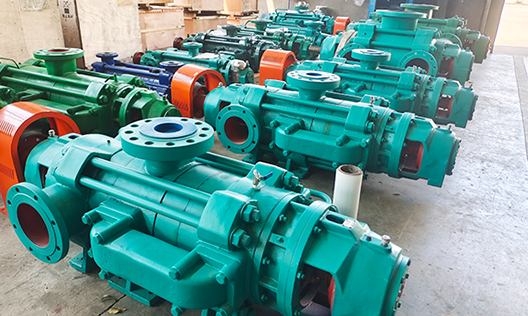
Puede fabricar 26 series de productos, incluyendo bombas de circulación para grandes centrales eléctricas, bombas de condensación para grandes centrales eléctricas, bombas petroquímicas, bombas multietapa, bombas de aguas residuales y lodo, bombas multietapa autoequilibradas, bombas de doble succión y única etapa tipo split, y bombas centrífugas de succión simple y única etapa.
-
Cases
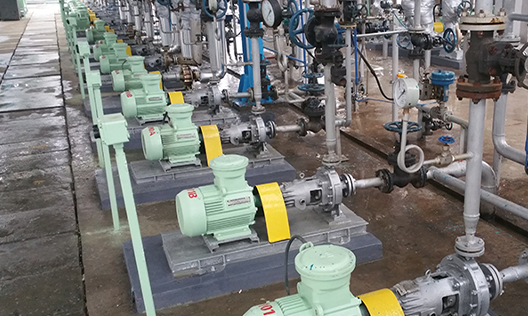
La elección de más de cientos de miles de clientes, cubriendo industrias como minería de carbón, metalurgia, química, energía, recursos hídricos, alimentos, municipalidades y protección ambiental, y exportando a Asia Sudeste, África, América y otros lugares.
-
Service
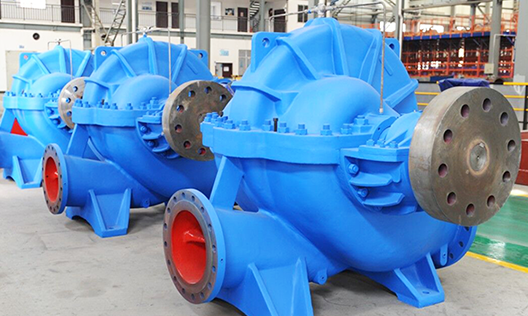
La empresa fue la primera en la industria en obtener las certificaciones internacionales del sistema de calidad ISO 9001:2008, del sistema de gestión ambiental ISO 14001 y del sistema de gestión de seguridad y salud ocupacional GB/T 28001, además de la certificación API 610 de la Asociación Estadounidense del Petróleo.
-
About us
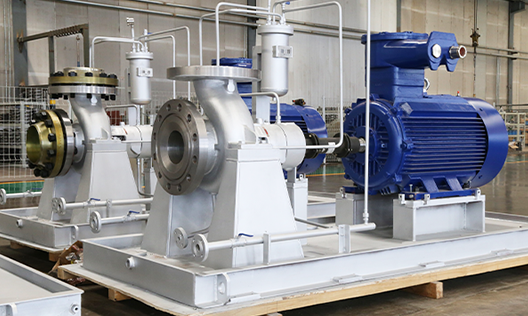
La empresa, fundada en 1989, es una empresa nacional de alta tecnología integral que integra diseño, investigación y desarrollo, fabricación y servicios; actualmente es una empresa clave en la industria china de bombas centrífugas y una de las grandes fábricas especializadas.
-

Blogs
Con productos innovadores, calidad excepcional y servicios integrales, buscamos la verdad y la pragmática, avanzamos con iniciativa, y nos esforzamos por lograr el objetivo de ser "la marca líder en el campo de aplicación de bombas centrífugas en el país"! Raigada en Hunan, orientada a todo el país y hacia el mundo!
Common Misconceptions About Horizontal Multistage Pumps Debunked
Publication Date:
2026-05-05
Author:
Source:


Common Misconceptions About Horizontal Multistage Pumps Debunked
Table of Contents
- Introduction: Understanding Horizontal Multistage Pumps
- Misconception 1: Horizontal Multistage Pumps Are Only for High Flow Rates
- Misconception 2: They Are Too Complex for Regular Use
- Misconception 3: Efficiency Is Not a Concern with These Pumps
- Misconception 4: They Require Constant Maintenance
- Misconception 5: Horizontal Multistage Pumps Are Not Versatile
- Applications of Horizontal Multistage Pumps
- Conclusion: Setting the Record Straight
- Frequently Asked Questions (FAQs)
Introduction: Understanding Horizontal Multistage Pumps
Horizontal multistage pumps are vital pieces of equipment in various industrial applications. Recognized for their ability to handle high-pressure situations effectively, these pumps are often misunderstood. This article aims to dismantle common misconceptions related to horizontal multistage pumps, providing clarity on their operation, efficiency, and versatility.
Misconception 1: Horizontal Multistage Pumps Are Only for High Flow Rates
One prevalent myth is that horizontal multistage pumps are exclusively designed for high flow rates. While these pumps excel in scenarios demanding substantial volume, they also perform efficiently at lower flow rates. Their design features multiple impellers that allow for the optimization of flow and pressure. This capability makes them suitable for various applications, from water treatment plants to oil and gas industries, where both low and high flow rates are required.
Understanding Flow Dynamics
When addressing flow dynamics, it’s crucial to note that horizontal multistage pumps can be tailored to specific operational needs. Through the adjustment of impeller sizes and configurations, operators can achieve the desired flow rate without compromising performance. This adaptability underscores the pump's versatility and dispels the myth that they are only for high-capacity projects.
Misconception 2: They Are Too Complex for Regular Use
Another common misconception is that horizontal multistage pumps are overly complex and challenging to operate. While it’s true that these pumps have intricate designs with multiple components, modern technological advancements have simplified their operation. Many manufacturers provide user-friendly interfaces and detailed manuals, making them accessible to operators of varying skill levels.
Advancements in Design and Technology
The evolution of horizontal multistage pumps has led to improved designs that facilitate easier maintenance and operation. Features such as self-priming capabilities and automatic shutoff systems enhance usability, ensuring that even less experienced operators can manage these pumps effectively. Moreover, continuous training and resources are available for staff to better understand these essential tools.
Misconception 3: Efficiency Is Not a Concern with These Pumps
Efficiency is a key factor in any industrial process, and the belief that horizontal multistage pumps do not prioritize efficiency is misleading. In fact, these pumps are engineered to maximize efficiency through various design features, including streamlined flow paths and optimized impeller designs.
Maximizing Energy Efficiency
Understanding how to maximize energy efficiency is crucial. Horizontal multistage pumps can significantly reduce energy costs when selected and operated correctly. By maintaining a consistent flow rate and reducing unnecessary friction losses, these pumps ensure that energy consumption is minimized, thus amplifying operational efficiency. Regular performance monitoring is essential to maintain this efficiency over time.
Misconception 4: They Require Constant Maintenance
Many believe that horizontal multistage pumps demand constant maintenance, which can deter potential users. While all pumps require maintenance, horizontal multistage pumps are designed for durability and longevity. With proper installation and operation, these pumps can function efficiently with minimal maintenance interventions.
Maintenance Best Practices
Implementing best practices for maintenance is vital. Routine inspections, monitoring performance metrics, and addressing wear and tear proactively can significantly extend the lifespan of these pumps. Moreover, advancements in sensor technology allow for real-time monitoring, enabling operators to address potential issues before they escalate, thereby minimizing the need for constant maintenance.
Misconception 5: Horizontal Multistage Pumps Are Not Versatile
The notion that horizontal multistage pumps lack versatility is a misconception that deserves attention. In reality, these pumps are employed in various applications across different industries due to their adaptability and efficiency.
Diverse Applications
Horizontal multistage pumps can handle various fluids, including water, chemicals, and slurries, making them suitable for applications in agriculture, wastewater management, and chemical processing. Their ability to operate effectively in different scenarios underscores their versatility and value in the industrial landscape.
Applications of Horizontal Multistage Pumps
Understanding the applications of horizontal multistage pumps can help dispel myths about their limitations. Here are some areas where these pumps excel:
1. Water Treatment Plants
Horizontal multistage pumps are crucial in water treatment facilities, where they aid in moving water through treatment processes efficiently.
2. Irrigation Systems
In agriculture, these pumps ensure that irrigation systems function optimally, providing adequate water supply for crops.
3. Chemical Processing
These pumps are essential for transporting various chemicals safely and efficiently within processing plants.
4. Fire Protection Systems
Reliable in emergencies, horizontal multistage pumps are often part of fire protection systems, delivering high-pressure water when needed.
5. HVAC Systems
Many heating, ventilation, and air conditioning (HVAC) systems utilize these pumps to circulate fluids effectively.
Conclusion: Setting the Record Straight
In summary, horizontal multistage pumps are versatile, efficient, and capable of serving a wide range of applications. By debunking these common misconceptions, we hope to provide clarity regarding their operation and capabilities. Understanding the true nature of these pumps empowers industries to make informed decisions, ensuring that they select the right equipment for their needs.
Frequently Asked Questions (FAQs)
1. What is a horizontal multistage pump?
A horizontal multistage pump is a type of centrifugal pump that contains multiple impellers, allowing it to generate high pressure and flow rates. They are commonly used in various industrial applications.
2. How do horizontal multistage pumps differ from single-stage pumps?
Horizontal multistage pumps have multiple impellers, which provide higher pressure capabilities than single-stage pumps, which typically have only one impeller.
3. What are the advantages of using horizontal multistage pumps?
The advantages include higher efficiency, adaptability to different applications, and the ability to handle high-pressure situations.
4. Are horizontal multistage pumps energy-efficient?
Yes, when selected and operated correctly, horizontal multistage pumps can be energy-efficient, reducing operational costs significantly.
5. How often should I maintain my horizontal multistage pump?
Maintenance frequency can vary based on usage and operating conditions, but routine inspections and performance monitoring are essential to ensure longevity and efficiency.
Recommended Information


Related Products
Perhaps you also want to know?
Zoomlian Pump Industry
Address:No. 210, Environmental Protection Middle Road, Yuhua Economic Development Zone, Changsha City, Hunan Province China
All rights reserved © Changsha Zoomlian Pump Co., Ltd.
This website supports IPv4 IPv6 bidirectional access
Website construction:Zhongqi Power Changsha