

-
Products
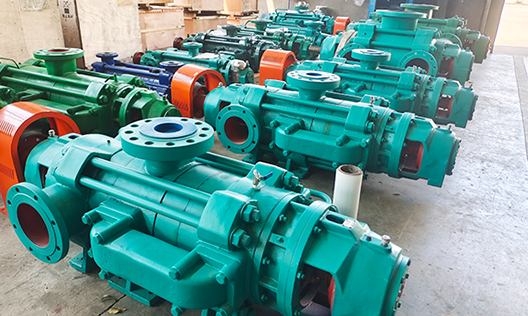
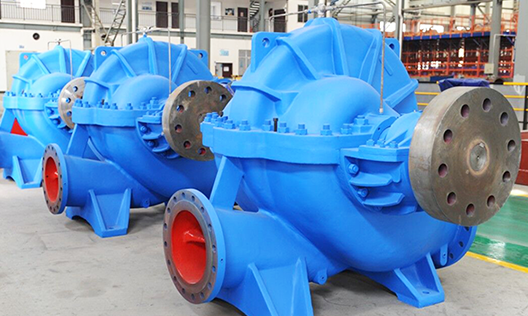
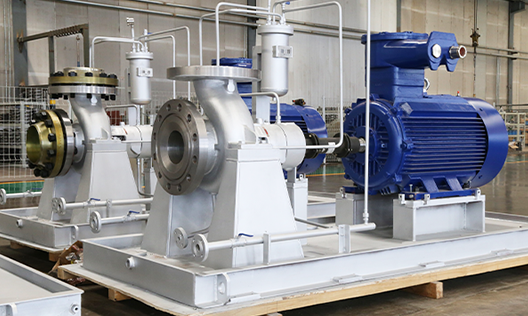
Puede fabricar 26 series de productos, incluyendo bombas de circulación para grandes centrales eléctricas, bombas de condensación para grandes centrales eléctricas, bombas petroquímicas, bombas multietapa, bombas de aguas residuales y lodo, bombas multietapa autoequilibradas, bombas de doble succión y única etapa tipo split, y bombas centrífugas de succión simple y única etapa.
-
Cases
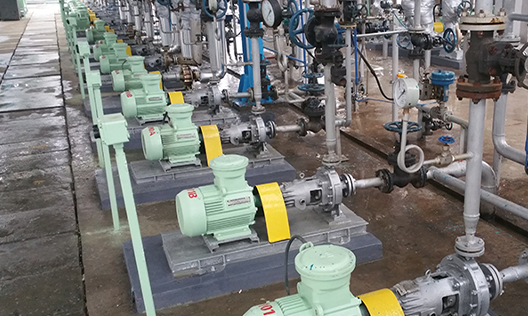
La elección de más de cientos de miles de clientes, cubriendo industrias como minería de carbón, metalurgia, química, energía, recursos hídricos, alimentos, municipalidades y protección ambiental, y exportando a Asia Sudeste, África, América y otros lugares.
-
Service
La empresa fue la primera en la industria en obtener las certificaciones internacionales del sistema de calidad ISO 9001:2008, del sistema de gestión ambiental ISO 14001 y del sistema de gestión de seguridad y salud ocupacional GB/T 28001, además de la certificación API 610 de la Asociación Estadounidense del Petróleo.
-
About us
La empresa, fundada en 1989, es una empresa nacional de alta tecnología integral que integra diseño, investigación y desarrollo, fabricación y servicios; actualmente es una empresa clave en la industria china de bombas centrífugas y una de las grandes fábricas especializadas.
-

Blogs
Con productos innovadores, calidad excepcional y servicios integrales, buscamos la verdad y la pragmática, avanzamos con iniciativa, y nos esforzamos por lograr el objetivo de ser "la marca líder en el campo de aplicación de bombas centrífugas en el país"! Raigada en Hunan, orientada a todo el país y hacia el mundo!
Common Issues with OEM Boiler Feed Pumps and Their Solutions
Publication Date:
2026-04-07
Author:
Source:


Common Issues with OEM Boiler Feed Pumps and Their Solutions
Boiler feed pumps play a pivotal role in maintaining the efficiency and effectiveness of steam generating systems. These pumps are designed to deliver water to the boiler, ensuring optimal operation. However, like any industrial equipment, they are not immune to issues. This comprehensive article addresses the **common problems** encountered with **OEM boiler feed pumps** and offers detailed **solutions** to enhance their performance.
Understanding OEM Boiler Feed Pumps
OEM (Original Equipment Manufacturer) boiler feed pumps are specifically designed for high-pressure applications. They are engineered to handle water at elevated temperatures and pressures, which makes them integral to the overall efficiency of a boiler system. Typically, these pumps utilize centrifugal force to transfer water, but their operation can be affected by a variety of factors, leading to common issues.
The Importance of Regular Maintenance
Regular maintenance is crucial in preventing many of the problems associated with OEM boiler feed pumps. A well-maintained pump not only lasts longer but also operates more efficiently, which is vital for maintaining the integrity of the boiler system. Establishing a routine maintenance program can significantly reduce the likelihood of unexpected failures.
Common Issues Encountered with OEM Boiler Feed Pumps
1. Cavitation
Cavitation occurs when the pressure in the pump falls below the vapor pressure of the liquid, resulting in the formation of vapor bubbles. When these bubbles collapse, they can cause significant damage to the pump impeller and other components.
Signs of Cavitation
- Unusual noise, often described as "gravel" or "marbles" in the pump.
- Reduction in pump performance and flow rate.
- Visible wear on the impeller blades.
Solutions to Cavitation
To mitigate cavitation, consider the following solutions:
- Ensure that the pump is operating within the manufacturer's specified NPSH (Net Positive Suction Head) requirements.
- Check for blockages or restrictions in the suction line.
- Adjust the pump speed or impeller size to match the required flow conditions.
2. Overheating
Overheating is another common issue that can arise due to inadequate cooling or excessive friction within the pump. When temperatures rise, it can lead to premature wear and ultimately pump failure.
Signs of Overheating
- Increased operating temperatures.
- Frequent tripping of thermal overloads.
- Burnt or damaged pump seals and bearings.
Solutions to Prevent Overheating
To avoid overheating, implement the following measures:
- Regularly check and maintain the pump’s cooling system.
- Inspect bearings and seals for wear and replace as necessary.
- Utilize thermal monitoring systems to detect temperature spikes early.
3. Seal Failures
Seal failures can lead to leaks, which not only reduce the efficiency of the pump but can also cause environmental hazards and safety concerns. Common causes of seal failure include improper installation, wear, and exposure to corrosive fluids.
Signs of Seal Failure
- Visible leaks around the pump housing.
- Fluctuating pump performance.
- Increased vibration levels.
Solutions to Address Seal Failures
To resolve seal-related issues effectively:
- Ensure proper installation and alignment of seals during maintenance.
- Choose appropriate seal materials based on the fluids being handled.
- Regularly inspect seals during routine maintenance checks and replace worn seals promptly.
4. Vibration Issues
Excessive vibration can indicate underlying problems such as misalignment, imbalance, or worn bearings. Continuous vibration can lead to further mechanical failure and decreased pump efficiency.
Signs of Vibration Issues
- Increased noise levels during operation.
- Visible movement or shaking of the pump.
- Poor performance and reduced flow output.
Solutions to Mitigate Vibration
To address vibration problems, consider the following approaches:
- Perform alignment checks regularly to ensure all components are properly aligned.
- Balance rotating parts to eliminate any discrepancies that may cause vibration.
- Inspect and replace worn bearings to maintain smooth operation.
5. Blockages and Clogging
Blockages in the pump or piping can lead to significant issues, including reduced flow rates and increased pressure within the system. These can often be caused by debris, sediment, or mineral deposits.
Signs of Blockages
- Decreased flow rate or output from the pump.
- Increased pressure readings on gauges.
- Unusual noises indicating abnormal operation.
Solutions to Prevent Blockages
To prevent and address clogs within the system:
- Implement regular cleaning protocols for the pump and associated piping.
- Utilize filters to catch debris before it enters the pump.
- Conduct routine inspections to identify and address potential sources of buildup.
Best Practices for Maintaining OEM Boiler Feed Pumps
Regular Monitoring and Inspection
Establishing a regular monitoring and inspection schedule will help identify potential problems early. Key components to inspect include:
- Motors and drives for alignment issues.
- Seals and gaskets for wear and proper sealing.
- Piping for signs of leaks or corrosion.
Utilizing Technology for Predictive Maintenance
Implementing predictive maintenance strategies using IoT devices can significantly enhance the reliability of boiler feed pumps. Sensors can provide real-time data on performance metrics, allowing for informed decision-making and timely interventions.
Training and Knowledge Sharing
Ensuring that your team is well-trained in the operation and maintenance of OEM boiler feed pumps is vital. Regular training sessions can help keep everyone updated on best practices and emerging technologies.
Conclusion
OEM boiler feed pumps are critical components in industrial operations, and understanding the common issues they face is essential for maintaining efficiency and reliability. By proactively addressing issues such as cavitation, overheating, seal failures, vibration, and blockages, we can enhance the performance and longevity of our pumps. Regular maintenance, monitoring, and employing modern technologies will ensure that your boiler feed pumps operate at peak efficiency, ultimately supporting the overall productivity of your operations.
Frequently Asked Questions (FAQs)
1. How often should I perform maintenance on my OEM boiler feed pump?
Maintenance frequency can vary, but typically, a thorough inspection should be conducted every three to six months, depending on usage and operational conditions.
2. What are the signs that my boiler feed pump needs immediate attention?
Look out for signs such as unusual noises, leaks, fluctuation in pressure, and decreased flow rates as indications that your pump may need immediate servicing.
3. Can cavitation be prevented?
Yes, cavitation can be prevented by ensuring that the pump operates within the manufacturer's specifications and by maintaining proper suction conditions.
4. What materials are best for seals in high-temperature applications?
Fluorocarbon or PTFE seals are often recommended for high-temperature applications due to their excellent resistance to heat and chemicals.
5. How can I improve the energy efficiency of my boiler feed pump system?
Improving energy efficiency can involve optimizing pump speed, reducing friction losses, maintaining proper alignment, and ensuring that the system design is suitable for the application.
Previous:
Recommended Information


Related Products
Perhaps you also want to know?
Zoomlian Pump Industry
Address:No. 210, Environmental Protection Middle Road, Yuhua Economic Development Zone, Changsha City, Hunan Province China
All rights reserved © Changsha Zoomlian Pump Co., Ltd.
This website supports IPv4 IPv6 bidirectional access
Website construction:Zhongqi Power Changsha