

-
Products
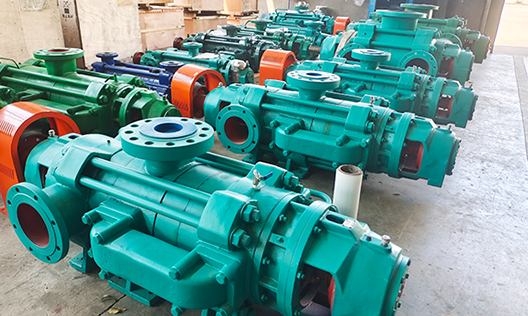
Puede fabricar 26 series de productos, incluyendo bombas de circulación para grandes centrales eléctricas, bombas de condensación para grandes centrales eléctricas, bombas petroquímicas, bombas multietapa, bombas de aguas residuales y lodo, bombas multietapa autoequilibradas, bombas de doble succión y única etapa tipo split, y bombas centrífugas de succión simple y única etapa.
-
Cases
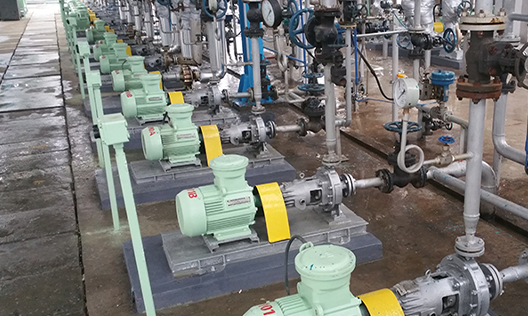
La elección de más de cientos de miles de clientes, cubriendo industrias como minería de carbón, metalurgia, química, energía, recursos hídricos, alimentos, municipalidades y protección ambiental, y exportando a Asia Sudeste, África, América y otros lugares.
-
Service
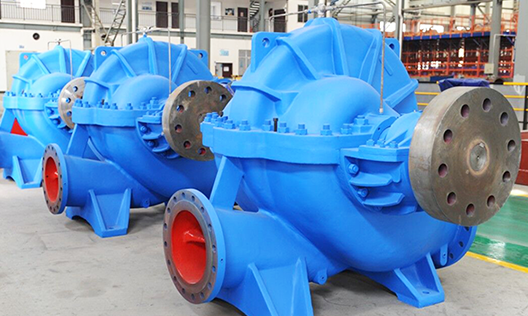
La empresa fue la primera en la industria en obtener las certificaciones internacionales del sistema de calidad ISO 9001:2008, del sistema de gestión ambiental ISO 14001 y del sistema de gestión de seguridad y salud ocupacional GB/T 28001, además de la certificación API 610 de la Asociación Estadounidense del Petróleo.
-
About us
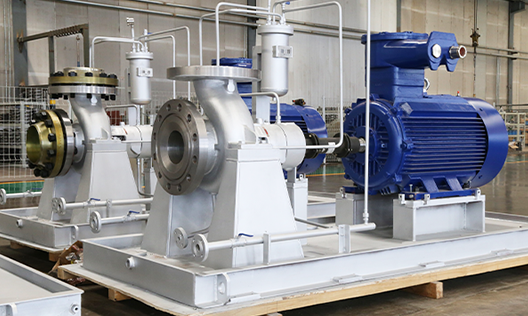
La empresa, fundada en 1989, es una empresa nacional de alta tecnología integral que integra diseño, investigación y desarrollo, fabricación y servicios; actualmente es una empresa clave en la industria china de bombas centrífugas y una de las grandes fábricas especializadas.
-

Blogs
Con productos innovadores, calidad excepcional y servicios integrales, buscamos la verdad y la pragmática, avanzamos con iniciativa, y nos esforzamos por lograr el objetivo de ser "la marca líder en el campo de aplicación de bombas centrífugas en el país"! Raigada en Hunan, orientada a todo el país y hacia el mundo!
Innovative Designs in Customized Hot Water Pumps: What to Look For
Publication Date:
2026-04-03
Author:
Source:


Innovative Designs in Customized Hot Water Pumps: What to Look For
Table of Contents
- 1. Introduction to Customized Hot Water Pumps
- 2. The Importance of Innovative Designs in Hot Water Pumps
- 3. Key Features to Consider in Customized Hot Water Pumps
- 4. Energy Efficiency: A Key Design Factor
- 5. Materials and Durability in Pump Design
- 6. The Role of Customization in Hot Water Pump Design
- 7. Sustainability Innovations in Hot Water Pump Technology
- 8. Future Trends in Hot Water Pump Innovations
- 9. Frequently Asked Questions
- 10. Conclusion
1. Introduction to Customized Hot Water Pumps
In the realm of industrial applications, **customized hot water pumps** play a pivotal role. These pumps are designed to meet specific requirements, ensuring optimal performance and efficiency. With advancements in technology, hot water pumps are no longer one-size-fits-all solutions. Instead, the market now offers a plethora of **innovative designs** that cater to various industrial needs. Understanding these unique features is essential for making informed purchasing decisions.
2. The Importance of Innovative Designs in Hot Water Pumps
The importance of **innovative designs** in customized hot water pumps cannot be overstated. As industries strive for greater efficiency and reduced operational costs, the need for advanced pumping solutions becomes increasingly critical. Innovative designs enhance reliability, minimize downtime, and facilitate seamless integration into existing systems. Moreover, these designs often lead to improved energy usage, which is a significant consideration in today's eco-conscious environment.
3. Key Features to Consider in Customized Hot Water Pumps
When selecting a customized hot water pump, several key features should be evaluated:
3.1 Performance Specifications
Performance specifications, such as flow rate and pressure capacity, are fundamental to the pump’s operation. Determine the specific requirements for your application to ensure the pump can handle the required workload.
3.2 Control Systems
Modern hot water pumps often come equipped with advanced control systems. These systems allow for real-time monitoring and adjustments, enhancing operational efficiency and simplifying maintenance.
3.3 Adaptability
A customizable pump should adapt to various operational conditions. This includes the ability to handle fluctuations in temperature and pressure, ensuring consistent performance regardless of changes in demand.
3.4 Noise Levels
Reduced noise levels are an attractive feature in many industrial settings. Look for designs that incorporate noise-dampening technologies to create a better working environment.
4. Energy Efficiency: A Key Design Factor
**Energy efficiency** is a paramount concern for industries seeking to reduce costs and minimize their carbon footprint. Innovative hot water pump designs often feature energy-efficient motors and components that significantly lower energy consumption. Furthermore, advanced designs might include variable frequency drives (VFDs) that adjust the pump’s speed according to the system's demand, leading to substantial energy savings.
5. Materials and Durability in Pump Design
The materials used in the construction of hot water pumps are crucial for longevity and performance. Here are some aspects to consider:
5.1 Corrosion Resistance
Given that hot water systems can be prone to corrosion, selecting pumps made from corrosion-resistant materials, such as stainless steel or specially coated alloys, will enhance durability and lifespan.
5.2 Thermal Resistance
Materials must also withstand high temperatures. Innovative designs often utilize materials engineered for thermal resistance, ensuring consistent performance over the pump’s lifespan.
6. The Role of Customization in Hot Water Pump Design
Customization is not merely about selecting specific features; it encompasses the entire design process. A well-customized hot water pump can be tailored to fit seamlessly within your existing systems. Key customization options include:
6.1 Size and Configuration
The size and configuration of the pump should match the available space and the workflow of your facility. Custom designs can optimize space utilization and improve workflow efficiency.
6.2 Connection Types
Different industrial settings require various connection types. Custom designs can accommodate specific piping configurations and connection requirements, ensuring compatibility with existing systems.
7. Sustainability Innovations in Hot Water Pump Technology
Sustainability is a driving force behind many innovations in hot water pump technology. Manufacturers are increasingly focusing on eco-friendly designs that not only perform well but also reduce environmental impact. Some advancements include:
7.1 Use of Recyclable Materials
Many modern pumps are constructed using recyclable materials, which align with sustainability goals and reduce waste.
7.2 Energy Recovery Systems
Innovative designs may incorporate energy recovery systems that capture and reuse energy, further enhancing overall system efficiency.
8. Future Trends in Hot Water Pump Innovations
As technology continues to advance, several trends are likely to shape the future of hot water pump designs:
8.1 Smart Technologies
The integration of smart technologies will enable remote monitoring and predictive maintenance, allowing for enhanced operational efficiency and reduced downtime.
8.2 Modular Designs
Modular designs will gain traction, allowing for easy upgrades and scalability in response to changing operational demands.
9. Frequently Asked Questions
9.1 What are customized hot water pumps?
Customized hot water pumps are designed to meet specific operational needs, ensuring optimal performance, efficiency, and reliability tailored to individual industrial applications.
9.2 Why are innovative designs important for hot water pumps?
Innovative designs improve efficiency, reduce operational costs, and enhance the sustainability of hot water pumping systems, making them vital for modern industrial applications.
9.3 How can I determine the right specifications for my hot water pump?
Assess your operational requirements, including flow rate, pressure, and temperature, to determine the appropriate specifications for your hot water pump.
9.4 What materials are best for hot water pumps?
Corrosion-resistant materials such as stainless steel and thermally resistant alloys are ideal for hot water pump construction to ensure durability and longevity.
9.5 What sustainability features should I look for in a hot water pump?
Look for features such as recyclable materials and energy recovery systems that contribute to reduced environmental impact and enhanced efficiency.
10. Conclusion
In conclusion, selecting a customized hot water pump with innovative designs requires careful consideration of various factors, including performance specifications, energy efficiency, durability, and sustainability features. By understanding these elements, industries can make informed decisions that not only enhance operational efficiency but also contribute to environmental sustainability. As technology advances, being aware of emerging trends will help organizations stay ahead and optimize their hot water pumping systems for years to come.
Recommended Information


Related Products
Perhaps you also want to know?
Zoomlian Pump Industry
Address:No. 210, Environmental Protection Middle Road, Yuhua Economic Development Zone, Changsha City, Hunan Province China
All rights reserved © Changsha Zoomlian Pump Co., Ltd.
This website supports IPv4 IPv6 bidirectional access
Website construction:Zhongqi Power Changsha