

-
Products
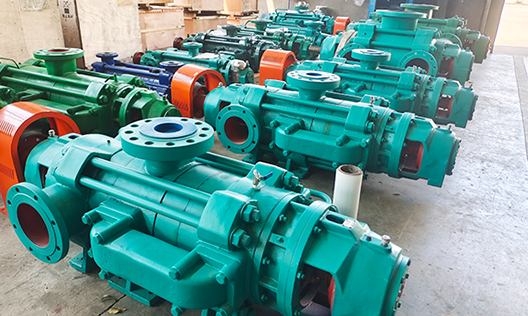
Puede fabricar 26 series de productos, incluyendo bombas de circulación para grandes centrales eléctricas, bombas de condensación para grandes centrales eléctricas, bombas petroquímicas, bombas multietapa, bombas de aguas residuales y lodo, bombas multietapa autoequilibradas, bombas de doble succión y única etapa tipo split, y bombas centrífugas de succión simple y única etapa.
-
Cases
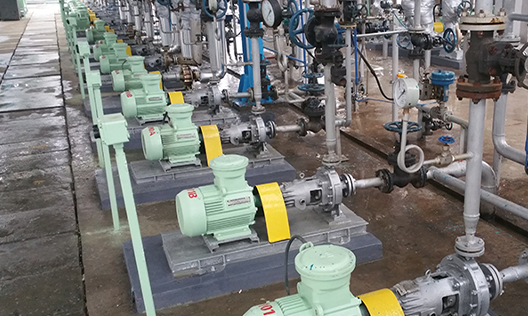
La elección de más de cientos de miles de clientes, cubriendo industrias como minería de carbón, metalurgia, química, energía, recursos hídricos, alimentos, municipalidades y protección ambiental, y exportando a Asia Sudeste, África, América y otros lugares.
-
Service
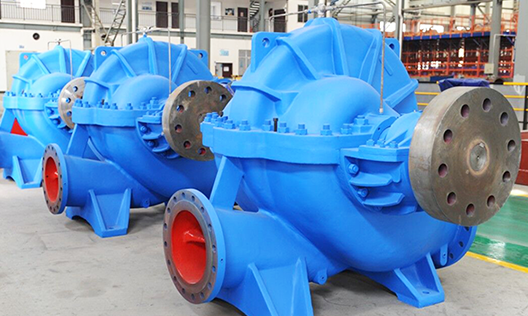
La empresa fue la primera en la industria en obtener las certificaciones internacionales del sistema de calidad ISO 9001:2008, del sistema de gestión ambiental ISO 14001 y del sistema de gestión de seguridad y salud ocupacional GB/T 28001, además de la certificación API 610 de la Asociación Estadounidense del Petróleo.
-
About us
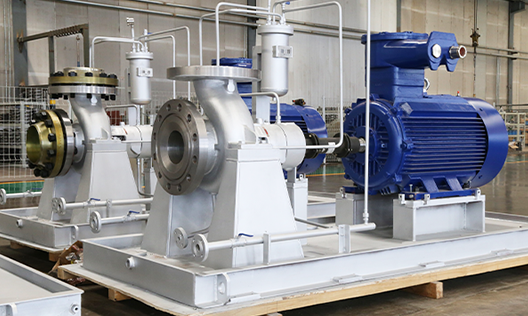
La empresa, fundada en 1989, es una empresa nacional de alta tecnología integral que integra diseño, investigación y desarrollo, fabricación y servicios; actualmente es una empresa clave en la industria china de bombas centrífugas y una de las grandes fábricas especializadas.
-

Blogs
Con productos innovadores, calidad excepcional y servicios integrales, buscamos la verdad y la pragmática, avanzamos con iniciativa, y nos esforzamos por lograr el objetivo de ser "la marca líder en el campo de aplicación de bombas centrífugas en el país"! Raigada en Hunan, orientada a todo el país y hacia el mundo!
How to Maintain Your Wholesale Horizontal Multistage Pumps Effectively
Publication Date:
2026-03-26
Author:
Source:


How to Maintain Your Wholesale Horizontal Multistage Pumps Effectively
Table of Contents
- 1. Introduction to Horizontal Multistage Pumps
- 2. Understanding Horizontal Multistage Pumps
- 3. Importance of Maintenance for Multistage Pumps
- 4. Regular Inspection Procedures
- 5. Cleaning and Flushing Techniques
- 6. Proper Lubrication and Oiling
- 7. Monitoring Performance and Testing
- 8. Troubleshooting Common Issues
- 9. Conclusion
- 10. FAQs
1. Introduction to Horizontal Multistage Pumps
In the industrial sector, **horizontal multistage pumps** play a critical role in various applications, ranging from water supply to chemical processing. These pumps are designed to handle high flow rates and operate efficiently under varying pressure conditions. However, their reliability and efficiency depend significantly on proper maintenance practices. In this article, we will explore how to maintain your wholesale horizontal multistage pumps effectively to ensure they perform at their best.
2. Understanding Horizontal Multistage Pumps
Horizontal multistage pumps consist of multiple impellers arranged in a series to increase the pressure of the fluid being pumped. Commonly used in water distribution systems, irrigation, and various industrial processes, these pumps are favored for their ability to deliver high-pressure output while maintaining a compact design. Understanding the components and working principles of these pumps is essential to implementing effective maintenance strategies.
2.1 Key Components of Horizontal Multistage Pumps
Each horizontal multistage pump comprises several key components that need to be maintained:
- **Impellers:** Responsible for imparting energy to the fluid.
- **Diffusers:** Convert kinetic energy into pressure energy.
- **Suction and Discharge Heads:** Facilitate fluid entry and exit.
- **Bearings:** Support the rotating shaft and reduce friction.
2.2 Working Principle
The operation of horizontal multistage pumps revolves around the centrifugal force generated by the impellers. When the impellers rotate, they create a low-pressure area at the suction side, drawing fluid into the pump. The fluid then moves through the impellers and diffusers, gaining energy and pressure before exiting through the discharge side. This efficient design allows these pumps to handle various applications requiring substantial lifting capabilities.
3. Importance of Maintenance for Multistage Pumps
Maintaining horizontal multistage pumps is crucial for several reasons:
- **Performance Optimization:** Regular maintenance ensures that pumps operate at peak efficiency, reducing energy costs.
- **Extended Lifespan:** Proactive maintenance helps prevent wear and tear, extending the life of the pump.
- **Reduced Downtime:** Early detection of issues through maintenance can minimize unexpected failures and downtime.
- **Safety Assurance:** Properly maintained pumps are less likely to experience catastrophic failures, ensuring workplace safety.
4. Regular Inspection Procedures
Routine inspections are the backbone of an effective maintenance program. Regular checks help identify potential issues before they escalate into significant problems.
4.1 Visual Inspections
Conducting visual inspections is essential. Look for signs of wear and tear, leaks, and unusual vibrations. Inspect the pump casing, piping, and connections for any visible issues.
4.2 Performance Evaluation
Monitoring the operating parameters such as flow rate, pressure, and temperature is vital. Compare these metrics against the manufacturer's specifications to ensure the pump operates within the desired range.
4.3 Vibration Analysis
Utilizing vibration analysis technology can provide insights into the pump's condition. Abnormal vibration patterns may indicate misalignment, imbalance, or bearing degradation.
5. Cleaning and Flushing Techniques
Keeping the pump clean and free from contaminants is essential for optimal operation.
5.1 Routine Cleaning
Establish a routine cleaning schedule to remove debris, dirt, and buildup from the pump and surrounding area. Use appropriate cleaning solutions that do not harm the pump materials.
5.2 Flushing the System
Implement a flushing procedure to remove sediment or foreign materials from the pump internals. Regular flushing helps maintain fluid quality and pump performance.
6. Proper Lubrication and Oiling
Lubrication is crucial for reducing friction and wear in the pump's moving parts.
6.1 Selecting the Right Lubricant
Choose lubricants that meet the manufacturer’s specifications. Consider factors like temperature, load, and type of service when selecting lubricants.
6.2 Lubrication Schedule
Establish a lubrication schedule that includes frequency and quantity based on operational conditions. Regularly check lubricant levels and replace as necessary.
7. Monitoring Performance and Testing
Ongoing performance monitoring ensures that the pump consistently meets operational standards.
7.1 Flow Rate Testing
Conduct flow rate tests periodically to ensure the pump delivers the expected output. Discrepancies may indicate blockage or wear.
7.2 Pressure Testing
Monitor pressure readings to ensure the system operates within design specifications. Fluctuations in pressure can signal performance issues.
7.3 Temperature Monitoring
Regularly check the temperature of the pump and motor. Overheating can lead to catastrophic failure, so it’s vital to address any overheating issues promptly.
8. Troubleshooting Common Issues
Understanding common problems can help in troubleshooting effectively.
8.1 Low Flow Rate
If the pump experiences low flow rates, check for blockages in the suction line or filters. Ensure that the impellers are in good condition and not damaged.
8.2 Excessive Noise and Vibration
Noisy or vibrating pumps may indicate misalignment or bearing failure. Inspect the bearings and alignment, and perform necessary corrections.
8.3 Overheating
If the pump overheats, it may be due to insufficient lubrication or a malfunctioning motor. Check the lubricant levels and ensure the motor is functioning correctly.
9. Conclusion
Maintaining wholesale horizontal multistage pumps is essential for ensuring their longevity and optimal performance. By implementing regular inspection, cleaning, lubrication, and performance monitoring, industrial operators can prevent downtime and costly repairs. Understanding the components, addressing common issues, and adhering to maintenance schedules are all key to achieving the best results from your pumping equipment. This proactive approach not only enhances operational efficiency but also contributes to a safer working environment.
10. FAQs
10.1 What is the lifespan of a horizontal multistage pump?
The lifespan of a horizontal multistage pump can vary significantly based on usage, maintenance practices, and operating conditions. On average, with proper maintenance, these pumps can last 10 to 20 years.
10.2 How often should I perform maintenance on my pump?
It is advisable to conduct routine inspections monthly and perform comprehensive maintenance every six months. However, the frequency may vary based on operational demands and environmental conditions.
10.3 What are the signs that my pump needs maintenance?
Common signs include unusual noises, vibrations, leaks, decreased flow rate, and increased energy consumption. Any of these indicators may suggest that maintenance is necessary.
10.4 Can I perform maintenance on the pump myself?
While basic maintenance tasks can be handled by trained personnel, more complex issues should be addressed by professionals to ensure safety and compliance with manufacturer specifications.
10.5 What types of lubricants are best for multistage pumps?
The best lubricants for multistage pumps are those recommended by the manufacturer. Generally, high-quality synthetic or mineral oils provide excellent protection against wear and heat. Always consult the pump's manual for specific lubricant recommendations.
Recommended Information


Related Products
Perhaps you also want to know?
Zoomlian Pump Industry
Address:No. 210, Environmental Protection Middle Road, Yuhua Economic Development Zone, Changsha City, Hunan Province China
All rights reserved © Changsha Zoomlian Pump Co., Ltd.
This website supports IPv4 IPv6 bidirectional access
Website construction:Zhongqi Power Changsha