

-
Products
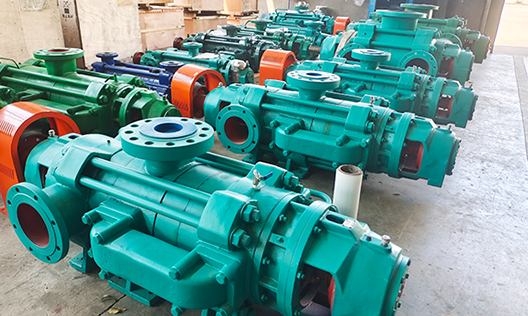
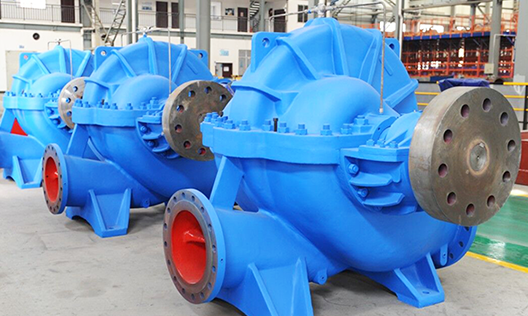
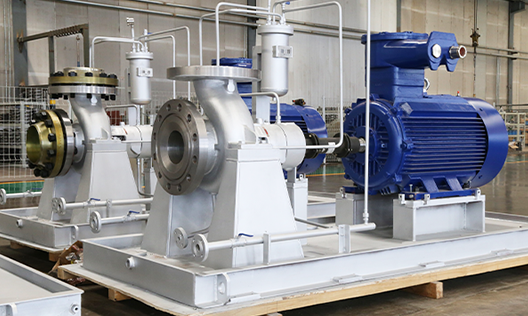
Puede fabricar 26 series de productos, incluyendo bombas de circulación para grandes centrales eléctricas, bombas de condensación para grandes centrales eléctricas, bombas petroquímicas, bombas multietapa, bombas de aguas residuales y lodo, bombas multietapa autoequilibradas, bombas de doble succión y única etapa tipo split, y bombas centrífugas de succión simple y única etapa.
-
Cases
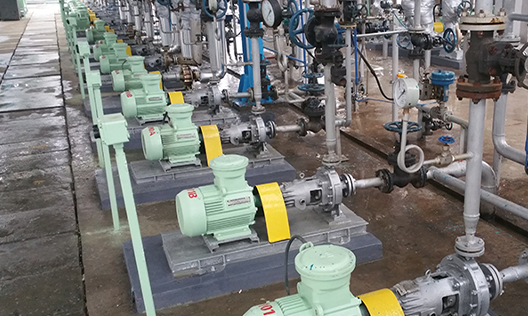
La elección de más de cientos de miles de clientes, cubriendo industrias como minería de carbón, metalurgia, química, energía, recursos hídricos, alimentos, municipalidades y protección ambiental, y exportando a Asia Sudeste, África, América y otros lugares.
-
Service
La empresa fue la primera en la industria en obtener las certificaciones internacionales del sistema de calidad ISO 9001:2008, del sistema de gestión ambiental ISO 14001 y del sistema de gestión de seguridad y salud ocupacional GB/T 28001, además de la certificación API 610 de la Asociación Estadounidense del Petróleo.
-
About us
La empresa, fundada en 1989, es una empresa nacional de alta tecnología integral que integra diseño, investigación y desarrollo, fabricación y servicios; actualmente es una empresa clave en la industria china de bombas centrífugas y una de las grandes fábricas especializadas.
-

Blogs
Con productos innovadores, calidad excepcional y servicios integrales, buscamos la verdad y la pragmática, avanzamos con iniciativa, y nos esforzamos por lograr el objetivo de ser "la marca líder en el campo de aplicación de bombas centrífugas en el país"! Raigada en Hunan, orientada a todo el país y hacia el mundo!
Top Features to Look for in an OEM Boiler Feed Pump: A Comprehensive Guide
Publication Date:
2026-03-22
Author:
Source:


Introduction to OEM Boiler Feed Pumps
In the realm of industrial equipment, **OEM boiler feed pumps** play a crucial role in the efficient operation of steam boilers. These pumps are designed to deliver water to the boiler, ensuring that it operates at optimal pressure and temperature. Selecting the right boiler feed pump can significantly impact the efficiency, safety, and longevity of your boiler system. This article will explore the top features to look for in an OEM boiler feed pump, providing you with the knowledge to make an informed decision.
Understanding the Importance of Boiler Feed Pumps
Boiler feed pumps are not just components; they are vital to the functioning of a boiler system. These pumps deliver water to the boiler at the required pressure, compensating for water loss due to evaporation and ensuring the system remains operational. A reliable boiler feed pump helps maintain the efficiency of the steam generation process, which is essential for various industrial applications.
Key Features of an OEM Boiler Feed Pump
When considering an OEM boiler feed pump, certain features can significantly influence performance and longevity. Here are the **top features** to evaluate:
1. Pump Type
Understanding the type of pump you need is critical. Boiler feed pumps generally fall into two categories: **centrifugal pumps** and **positive displacement pumps**. Centrifugal pumps are widely used due to their efficiency and ability to handle varying flow rates. In contrast, positive displacement pumps are better suited for applications requiring consistent flow despite pressure changes.
2. Material Construction
The construction material of the pump is essential for durability and performance. Most OEM boiler feed pumps are made from high-strength materials such as carbon steel or stainless steel. The choice of material affects the pump’s resistance to corrosion, pressure, and temperature fluctuations. Ensure that the pump you select is compatible with the type of water and operating conditions of your boiler system.
3. Energy Efficiency
Energy costs can add up significantly in industrial operations. Selecting a boiler feed pump with high energy efficiency can lead to substantial savings over time. Look for pumps that comply with industry energy standards and have features such as variable frequency drives (VFDs) to optimize energy consumption based on real-time demands.
4. Flow Rate and Pressure Rating
The flow rate and pressure rating are critical specifications that determine a pump's suitability for your application. Calculate the required flow rate based on your boiler's capacity and ensure that the pump can handle the necessary pressure to overcome system resistance. An adequately rated pump ensures consistent performance, avoiding potential downtime due to inadequate water supply.
5. Ease of Maintenance
Maintenance is vital for the long-term performance of any industrial equipment. An OEM boiler feed pump should be designed for easy access to components that require regular checks or replacements. Features like **replaceable seals**, **removable covers**, and **integrated inspection ports** can greatly simplify maintenance tasks, reducing downtime and service costs.
6. Noise and Vibration Levels
Operating noise and vibration can affect not only the comfort of the working environment but also the longevity of the equipment. Selecting a pump designed to operate quietly and with minimal vibration can enhance both employee comfort and equipment lifespan. Look for pumps that feature noise-reducing technology or are known for their smooth operation.
7. Safety Features
Safety should always be a priority in industrial settings. Look for OEM boiler feed pumps equipped with features such as pressure relief valves, thermal overload protection, and fail-safe systems. These safety features help prevent accidents and equipment damage, ensuring a safer working environment.
8. Warranty and Support Services
A robust warranty and reliable support services can provide peace of mind when investing in industrial equipment. Evaluate the warranty terms offered by the manufacturer and the availability of technical support. A reputable OEM should be able to offer assistance during installation, operation, and maintenance, ensuring your pump functions optimally throughout its lifespan.
Additional Considerations When Selecting a Boiler Feed Pump
Beyond the primary features outlined above, there are additional factors to consider when selecting an OEM boiler feed pump.
1. Compatibility with Boiler System
Ensure that the pump you choose is compatible with your existing boiler system. This involves not only matching the specifications but also considering the pump's performance characteristics in relation to the boiler's operational requirements.
2. Projected Lifecycle and Cost of Ownership
Investing in a high-quality OEM boiler feed pump may come at a higher initial cost, but it can lead to lower operational costs and less frequent replacements over time. Analyze the total cost of ownership, including maintenance, energy consumption, and potential downtime, to make an informed decision.
3. Industry Regulations and Standards
Understand the industry regulations and standards applicable to your sector. Compliance with these regulations ensures that you are operating within legal parameters and helps avoid potential fines or shutdowns.
Conclusion
Selecting the right OEM boiler feed pump is a critical decision that can significantly impact the performance, efficiency, and safety of your industrial operations. By understanding the key features—such as pump type, material construction, energy efficiency, and maintenance requirements—you position yourself to make an informed choice that will serve your needs effectively. As you navigate your options, remember to consider compatibility with your boiler system, projected lifecycle costs, and adherence to industry regulations. Investing time in this selection process will pay off in the long run, ensuring your boiler system operates smoothly and reliably.
FAQs
1. What is the primary function of a boiler feed pump?
The primary function of a boiler feed pump is to supply water to the boiler at the necessary pressure and flow rate to maintain optimal operation.
2. How do I determine the correct flow rate for my boiler feed pump?
To determine the correct flow rate, assess your boiler's capacity and operational demands, factoring in any system losses or variations in steam generation.
3. What materials are commonly used in boiler feed pump construction?
Common materials include carbon steel for general applications and stainless steel for systems requiring higher corrosion resistance.
4. How often should I service my boiler feed pump?
Regular maintenance is recommended, typically every six months, but specific requirements may vary based on usage and operating conditions.
5. Can I replace my old boiler feed pump with a new model without making other changes?
In many cases, yes. However, it's essential to ensure that the new model meets the specifications and performance requirements of your existing system to avoid compatibility issues.
Recommended Information


Related Products
Perhaps you also want to know?
Zoomlian Pump Industry
Address:No. 210, Environmental Protection Middle Road, Yuhua Economic Development Zone, Changsha City, Hunan Province China
All rights reserved © Changsha Zoomlian Pump Co., Ltd.
This website supports IPv4 IPv6 bidirectional access
Website construction:Zhongqi Power Changsha