

-
Products
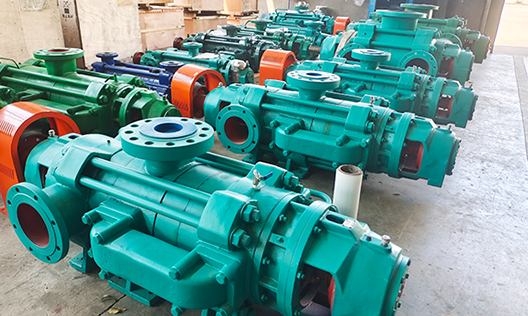
Puede fabricar 26 series de productos, incluyendo bombas de circulación para grandes centrales eléctricas, bombas de condensación para grandes centrales eléctricas, bombas petroquímicas, bombas multietapa, bombas de aguas residuales y lodo, bombas multietapa autoequilibradas, bombas de doble succión y única etapa tipo split, y bombas centrífugas de succión simple y única etapa.
-
Cases
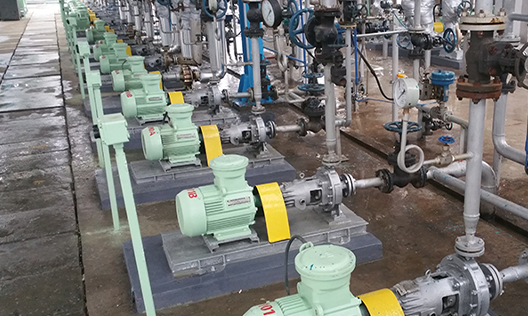
La elección de más de cientos de miles de clientes, cubriendo industrias como minería de carbón, metalurgia, química, energía, recursos hídricos, alimentos, municipalidades y protección ambiental, y exportando a Asia Sudeste, África, América y otros lugares.
-
Service
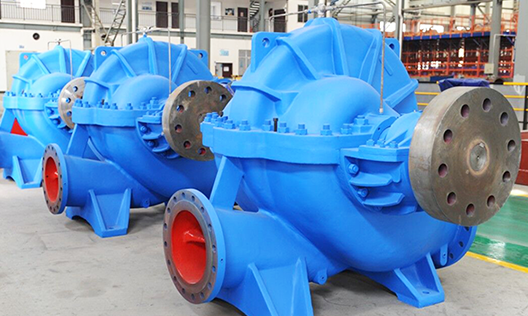
La empresa fue la primera en la industria en obtener las certificaciones internacionales del sistema de calidad ISO 9001:2008, del sistema de gestión ambiental ISO 14001 y del sistema de gestión de seguridad y salud ocupacional GB/T 28001, además de la certificación API 610 de la Asociación Estadounidense del Petróleo.
-
About us
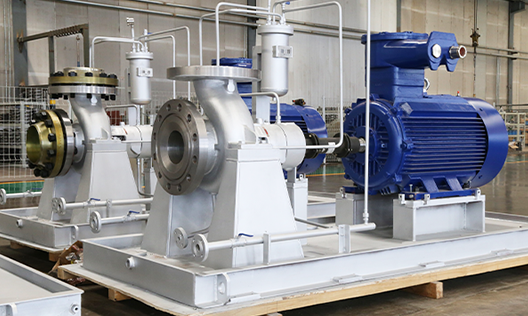
La empresa, fundada en 1989, es una empresa nacional de alta tecnología integral que integra diseño, investigación y desarrollo, fabricación y servicios; actualmente es una empresa clave en la industria china de bombas centrífugas y una de las grandes fábricas especializadas.
-

Blogs
Con productos innovadores, calidad excepcional y servicios integrales, buscamos la verdad y la pragmática, avanzamos con iniciativa, y nos esforzamos por lograr el objetivo de ser "la marca líder en el campo de aplicación de bombas centrífugas en el país"! Raigada en Hunan, orientada a todo el país y hacia el mundo!
Multistage Pumps Explained: The OEM Advantage for Industrial Applications
Publication Date:
2026-01-23
Author:
Source:


Multistage Pumps Explained: The OEM Advantage for Industrial Applications
Table of Contents
- 1. Introduction to Multistage Pumps
- 2. What Are Multistage Pumps?
- 3. Working Principle of Multistage Pumps
- 4. Key Advantages of Multistage Pumps
- 5. The OEM Advantage in Multistage Pumps
- 6. Applications of Multistage Pumps in Industry
- 7. Maintenance Tips for Multistage Pumps
- 8. Frequently Asked Questions
- 9. Conclusion
1. Introduction to Multistage Pumps
In the realm of industrial fluid handling, **multistage pumps** play a crucial role in various applications. Their design enables the transportation of fluids at higher pressures and volumes than standard single-stage pumps, making them a preferred choice for industries requiring efficient fluid transfer. This article dissects the mechanics, operational benefits, and the distinct advantages of OEM (Original Equipment Manufacturer) solutions in multistage pump technology.
2. What Are Multistage Pumps?
**Multistage pumps** are specialized centrifugal pumps that consist of multiple impellers or stages, each contributing to the overall increase in pressure. These pumps are designed to handle a wide range of fluids, including water, chemicals, and various industrial liquids. The ability to combine several impellers in a single unit allows for greater pressure output while maintaining compactness and efficiency.
3. Working Principle of Multistage Pumps
The basic operating principle of **multistage pumps** centers around centrifugal force. As the pump operates, the impellers rotate, drawing fluid into the pump and increasing its velocity. Each subsequent impeller further accelerates the fluid, translating velocity into pressure. This process continues through each stage until the desired discharge pressure is achieved.
Key Components
The essential components of a multistage pump include:
- **Impellers**: Responsible for generating flow and pressure.
- **Diffusers**: Convert kinetic energy to pressure.
- **Pump casing**: Houses the internal components and provides structural integrity.
- **Suction and discharge ports**: Facilitate fluid entry and exit.
4. Key Advantages of Multistage Pumps
4.1 Energy Efficiency
**Energy efficiency** is one of the standout benefits of multistage pumps. By optimizing the design and operation, these pumps can operate at lower power levels while delivering high pressure, reducing energy costs and environmental impact in industrial settings.
4.2 Improved Pressure Output
The **improved pressure output** of multistage pumps makes them ideal for applications requiring the movement of fluids over long distances or against high pressures. This attribute is particularly beneficial in water treatment, irrigation, and boiler feed applications.
4.3 Space-Saving Designs
Multistage pumps are engineered to be compact, allowing for **space-saving designs** that fit easily into tight industrial layouts. This feature is advantageous for facilities looking to maximize operational space without compromising on equipment performance.
5. The OEM Advantage in Multistage Pumps
Choosing an OEM for multistage pumps offers several competitive advantages that enhance operational efficiency, reliability, and adaptability in industrial applications.
5.1 Customization Options
OEMs provide **customization options** tailored to specific industry needs. Whether it’s altering the pump's capacity, material choices, or specific performance characteristics, OEMs have the expertise to design pumps that meet unique operational requirements.
5.2 Quality and Reliability
When it comes to **quality and reliability**, OEMs often use superior materials and adhere to higher manufacturing standards, ensuring that multistage pumps can withstand the rigors of industrial applications. This reliability translates to less downtime and lower maintenance costs.
5.3 After-Sales Support
An often overlooked but critical advantage of OEMs is **after-sales support**. OEMs provide technicians who are intimately familiar with their products, ensuring prompt and effective service. Regular maintenance and availability of spare parts further enhance the longevity of multistage pumps.
6. Applications of Multistage Pumps in Industry
Multistage pumps are versatile and find applications across a wide range of industries, including:
- **Water Supply and Distribution**: Used in municipal water systems for delivering clean water.
- **Agriculture**: Implemented in irrigation systems to ensure efficient water delivery.
- **Chemical Processing**: Employed in the transfer of corrosive and volatile chemicals safely.
- **HVAC Systems**: Used for boosting pressure in heating and cooling systems.
- **Oil and Gas**: Essential for transporting crude oil and refined products.
7. Maintenance Tips for Multistage Pumps
Proper maintenance of multistage pumps is essential for optimal performance and longevity. Here are some essential maintenance tips:
- **Regular Inspections**: Routinely check for leaks, unusual noises, and vibrations.
- **Monitor Performance**: Keep track of pressure and flow rates to spot any deviations.
- **Lubrication**: Ensure that bearings and moving parts are properly lubricated to reduce wear.
- **Check Seals**: Inspect and replace seals as necessary to prevent leaks.
- **Clean Filters**: Regularly clean filtration systems to maintain fluid quality and flow efficiency.
8. Frequently Asked Questions
1. What is the primary benefit of using multistage pumps in industrial applications?
The primary benefit is their ability to generate high-pressure outputs while maintaining energy efficiency, making them ideal for demanding industrial processes.
2. How do I select the right multistage pump for my application?
Consider factors such as required flow rate, pressure output, fluid type, and operating conditions. Consulting with an OEM can help ensure the best fit for your specific needs.
3. Are multistage pumps suitable for corrosive materials?
Yes, multistage pumps can be designed with materials that resist corrosion, making them suitable for handling aggressive fluids.
4. How often should multistage pumps be serviced?
Regular maintenance is recommended every 6 to 12 months, depending on usage and operating conditions, to ensure long-term reliability.
5. Can multistage pumps be repaired, or do they need to be replaced?
Many issues can be repaired, especially with OEM support. However, in cases of severe wear or damage, replacement may be more cost-effective.
9. Conclusion
Multistage pumps are indispensable tools in various industrial applications, offering superior efficiency and pressure capabilities. The advantages of opting for OEM solutions not only enhance the performance of these pumps but also ensure reliability and longevity through tailored support. By understanding the intricacies of multistage pumps and leveraging the OEM advantage, industries can significantly improve their operational efficiencies and achieve their fluid handling goals. As technology evolves, keeping pace with advancements in multistage pump design and functionality will be essential for continued success in demanding industrial environments.
Recommended Information


Related Products
Perhaps you also want to know?
Zoomlian Pump Industry
Address:No. 210, Environmental Protection Middle Road, Yuhua Economic Development Zone, Changsha City, Hunan Province China
All rights reserved © Changsha Zoomlian Pump Co., Ltd.
This website supports IPv4 IPv6 bidirectional access
Website construction:Zhongqi Power Changsha