

-
Products
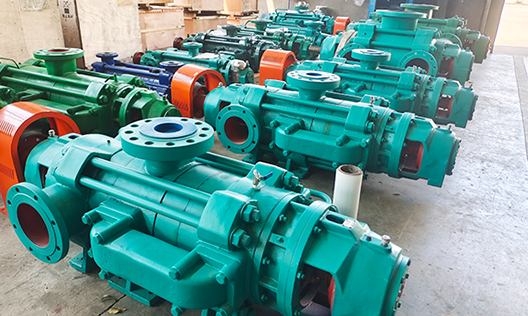
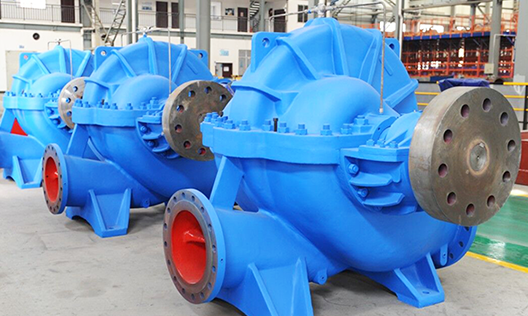
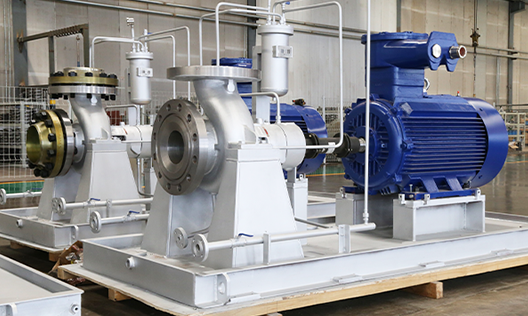
Puede fabricar 26 series de productos, incluyendo bombas de circulación para grandes centrales eléctricas, bombas de condensación para grandes centrales eléctricas, bombas petroquímicas, bombas multietapa, bombas de aguas residuales y lodo, bombas multietapa autoequilibradas, bombas de doble succión y única etapa tipo split, y bombas centrífugas de succión simple y única etapa.
-
Cases
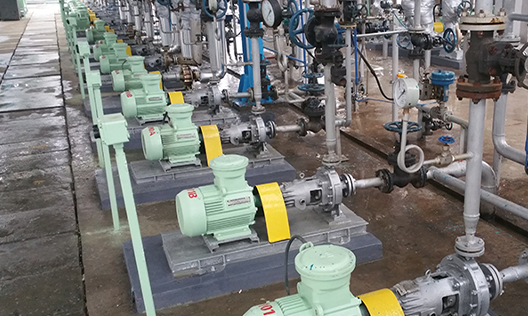
La elección de más de cientos de miles de clientes, cubriendo industrias como minería de carbón, metalurgia, química, energía, recursos hídricos, alimentos, municipalidades y protección ambiental, y exportando a Asia Sudeste, África, América y otros lugares.
-
Service
La empresa fue la primera en la industria en obtener las certificaciones internacionales del sistema de calidad ISO 9001:2008, del sistema de gestión ambiental ISO 14001 y del sistema de gestión de seguridad y salud ocupacional GB/T 28001, además de la certificación API 610 de la Asociación Estadounidense del Petróleo.
-
About us
La empresa, fundada en 1989, es una empresa nacional de alta tecnología integral que integra diseño, investigación y desarrollo, fabricación y servicios; actualmente es una empresa clave en la industria china de bombas centrífugas y una de las grandes fábricas especializadas.
-

Blogs
Con productos innovadores, calidad excepcional y servicios integrales, buscamos la verdad y la pragmática, avanzamos con iniciativa, y nos esforzamos por lograr el objetivo de ser "la marca líder en el campo de aplicación de bombas centrífugas en el país"! Raigada en Hunan, orientada a todo el país y hacia el mundo!
Maximizing Efficiency with Tailored Condensate Pump Solutions
Publication Date:
2026-01-19
Author:
Source:


Maximizing Efficiency with Tailored Condensate Pump Solutions
Table of Contents
- Understanding Condensate Pumps
- The Importance of Condensate Pump Efficiency
- Key Features of Tailored Condensate Pump Solutions
- Selecting the Right Condensate Pump for Your Needs
- Maintenance Best Practices for Condensate Pumps
- Advancements in Condensate Pump Technology
- Case Studies and Success Stories
- Frequently Asked Questions
- Conclusion
Understanding Condensate Pumps
Condensate pumps play a crucial role in various industrial applications by efficiently removing excess liquid generated during steam processes. These pumps are designed to handle condensate, typically water that results from steam cooling and condensation. The need for effective condensate handling is vital to maintaining system efficiency, reducing energy costs, and ensuring optimal equipment performance.
In essence, condensate pumps transport water from the point of condensation back to the boiler or heat exchanger. However, the efficiency of these pumps can vary significantly based on their design, size, and integration with the overall system. Tailored condensate pump solutions are designed to meet specific operational requirements, ensuring optimal performance and maximum energy efficiency.
The Importance of Condensate Pump Efficiency
Efficiency in condensate pumps is not merely a technical specification; it directly impacts operational costs, energy consumption, and equipment longevity. By maximizing the efficiency of condensate pump solutions, organizations can achieve significant cost savings, reducing both energy bills and maintenance expenses.
When condensate pumps operate efficiently, they help to:
1. **Reduce Energy Consumption**: Efficient pumps require less power to operate, leading to lower energy bills.
2. **Enhance System Performance**: Properly functioning pumps help maintain optimal system pressure and temperature, contributing to improved overall performance.
3. **Extend Equipment Lifespan**: Reduced wear and tear on pump components lead to longer service life and reduced replacement costs.
4. **Minimize Downtime**: Efficient pumps that require less maintenance reduce the likelihood of unexpected breakdowns.
Key Features of Tailored Condensate Pump Solutions
Tailored condensate pump solutions offer several key features that enhance their efficiency and reliability:
1. Customized Sizing
Every industrial application has unique requirements based on factors such as flow rate, pressure, and type of condensate. Tailored solutions ensure that pumps are sized correctly, preventing issues such as cavitation or excessive energy consumption.
2. Advanced Materials
Using high-quality materials, such as stainless steel and corrosion-resistant components, enhances the durability and performance of condensate pumps. These materials can withstand the harsh conditions often found in industrial settings.
3. Integrated Control Systems
Modern condensate pump solutions come equipped with integrated control systems that monitor performance metrics in real-time. These systems can automatically adjust pump operation based on demand, optimizing performance and energy usage.
4. Multi-Stage and Single-Stage Options
Depending on the application, tailored solutions can range from multi-stage pumps for high pressure to single-stage pumps for lower pressure applications. This flexibility allows for optimal pump selection based on specific operational needs.
5. Energy-Efficient Designs
Many manufacturers focus on designing pumps that meet energy efficiency standards, contributing to lower operational costs and enhanced environmental sustainability.
Selecting the Right Condensate Pump for Your Needs
Choosing the right condensate pump is critical for achieving maximum efficiency. Here are several factors to consider:
Flow Rate Requirements
Calculate the required flow rate based on the volume of condensate produced. Oversized pumps can lead to inefficiencies and increased energy consumption, while undersized pumps may struggle to keep up with demand.
Operating Pressure and Temperature
Consider the operating conditions of your system. Pumps must be capable of operating within the specified pressure and temperature ranges for optimal performance.
Type of Condensate
The characteristics of the condensate, such as its chemical composition and temperature, can impact pump selection. Ensure compatibility with the materials and design of the pump.
System Configuration
Assess the overall system layout, including pipe sizes, distances, and elevation changes. Tailored condensate pump solutions should be configured to fit seamlessly within your existing system.
Consult with Experts
Engaging with manufacturers and industry experts can provide valuable insights into selecting the right pump, ensuring it meets all operational requirements while maximizing efficiency.
Maintenance Best Practices for Condensate Pumps
Maintaining condensate pumps is essential for ensuring long-term efficiency and performance. Here are some best practices:
Regular Inspections
Conduct regular inspections to identify any signs of wear or damage. Early detection of issues can help prevent costly downtime.
Cleaning and Flushing
Routine cleaning of the pump and associated piping helps prevent blockages and maintains optimal flow. Flushing the system can remove any accumulated debris.
Lubrication
Ensure that moving parts are properly lubricated as per manufacturer specifications. Insufficient lubrication can lead to increased wear and reduced efficiency.
Monitor Performance Metrics
Utilize integrated monitoring systems to track performance metrics such as flow rate, pressure, and power consumption. Anomalies in these metrics may indicate the need for maintenance or adjustment.
Advancements in Condensate Pump Technology
The condensate pump industry has seen several advancements in technology that enhance efficiency and reliability:
Smart Pump Technology
Smart pumps equipped with IoT capabilities allow for remote monitoring and control. This technology enables operators to optimize performance in real-time based on changing conditions.
Energy Recovery Systems
Innovations in energy recovery systems allow for the capture and reuse of energy within the condensate system, further enhancing overall efficiency.
Variable Frequency Drives (VFD)
Integrating VFDs with condensate pumps can allow for adjustable speed control, ensuring that pumps operate only as needed, reducing energy consumption and wear.
Case Studies and Success Stories
Numerous industries have successfully implemented tailored condensate pump solutions, leading to significant efficiency improvements.
Case Study 1: Pharmaceutical Manufacturing
A pharmaceutical company implemented a tailored condensate pump system that reduced energy costs by 25%. By optimizing pump size and integrating smart technology, they improved overall system efficiency.
Case Study 2: Food Processing Facility
A food processing facility upgraded their condensate handling with a customized solution, resulting in a 30% reduction in maintenance costs. The advanced materials and design ensured durability and reliability.
Frequently Asked Questions
What is a condensate pump?
A condensate pump is a device used to remove excess liquid condensate generated during steam processes, transporting it back to the boiler or heat exchanger.
How do I choose the right condensate pump?
Consider factors such as flow rate, operating pressure and temperature, the type of condensate, and your system layout when selecting a condensate pump.
What maintenance is required for condensate pumps?
Regular inspections, cleaning, lubrication, and monitoring performance metrics are essential for maintaining condensate pumps.
What are the benefits of tailored condensate pump solutions?
Tailored solutions maximize efficiency, reduce energy consumption, and extend the lifespan of pumps, leading to significant cost savings.
How does technology impact condensate pump efficiency?
Advancements in technology, such as smart pumps and energy recovery systems, enhance performance and allow for real-time monitoring and optimization.
Conclusion
Maximizing efficiency with tailored condensate pump solutions is a strategic approach to improving industrial operations. By understanding the importance of efficient pump selection, maintenance practices, and advancements in technology, organizations can significantly enhance their performance and reduce costs. Investing in customized solutions not only optimizes operational efficiency but also contributes to a sustainable future in industrial processes. With the right knowledge and resources, businesses can achieve remarkable results in their condensate management systems.
Previous:
Recommended Information


Related Products
Perhaps you also want to know?
Zoomlian Pump Industry
Address:No. 210, Environmental Protection Middle Road, Yuhua Economic Development Zone, Changsha City, Hunan Province China
All rights reserved © Changsha Zoomlian Pump Co., Ltd.
This website supports IPv4 IPv6 bidirectional access
Website construction:Zhongqi Power Changsha