

-
Products
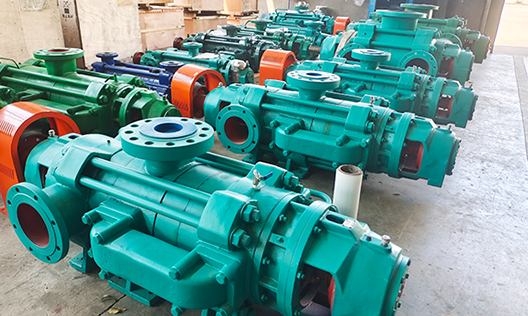
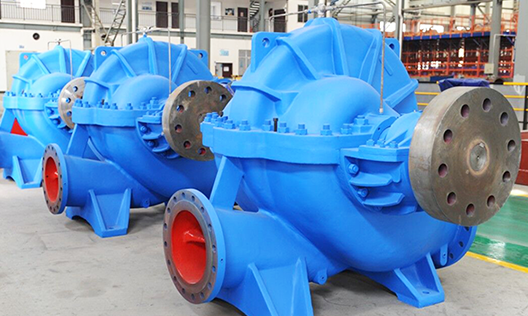
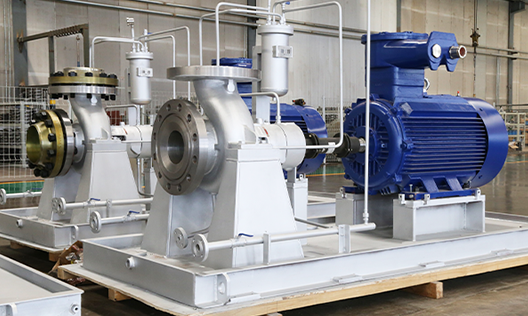
Puede fabricar 26 series de productos, incluyendo bombas de circulación para grandes centrales eléctricas, bombas de condensación para grandes centrales eléctricas, bombas petroquímicas, bombas multietapa, bombas de aguas residuales y lodo, bombas multietapa autoequilibradas, bombas de doble succión y única etapa tipo split, y bombas centrífugas de succión simple y única etapa.
-
Cases
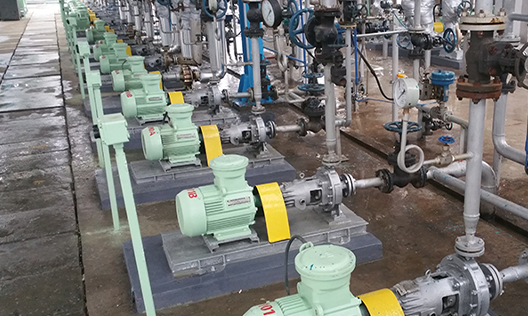
La elección de más de cientos de miles de clientes, cubriendo industrias como minería de carbón, metalurgia, química, energía, recursos hídricos, alimentos, municipalidades y protección ambiental, y exportando a Asia Sudeste, África, América y otros lugares.
-
Service
La empresa fue la primera en la industria en obtener las certificaciones internacionales del sistema de calidad ISO 9001:2008, del sistema de gestión ambiental ISO 14001 y del sistema de gestión de seguridad y salud ocupacional GB/T 28001, además de la certificación API 610 de la Asociación Estadounidense del Petróleo.
-
About us
La empresa, fundada en 1989, es una empresa nacional de alta tecnología integral que integra diseño, investigación y desarrollo, fabricación y servicios; actualmente es una empresa clave en la industria china de bombas centrífugas y una de las grandes fábricas especializadas.
-

Blogs
Con productos innovadores, calidad excepcional y servicios integrales, buscamos la verdad y la pragmática, avanzamos con iniciativa, y nos esforzamos por lograr el objetivo de ser "la marca líder en el campo de aplicación de bombas centrífugas en el país"! Raigada en Hunan, orientada a todo el país y hacia el mundo!
Comprehensive Guidelines for On-site Installation, Commissioning, Acceptance, and Key Operational & Maintenance Points of Horizontal Multistage Pumps
Publication Date:
2026-01-07
Author:
Source:


Horizontal multistage pumps are indispensable core fluid-handling equipment in modern industrial production. The standardization of their installation procedures directly affects the equipment’s operational efficiency, service life, and even influences the stability and maintenance costs of the entire production system. In this article, Multistage pump Manufacturer Changsha Zhonglian Pump Industry By integrating industry construction standards with frontline practical experience, we will systematically organize the on-site installation procedures for this type of horizontal multistage pump body and supplement them with key considerations for commissioning, acceptance, and subsequent operation and maintenance, thereby providing professional guidance for engineering technicians and procurement & operation teams.
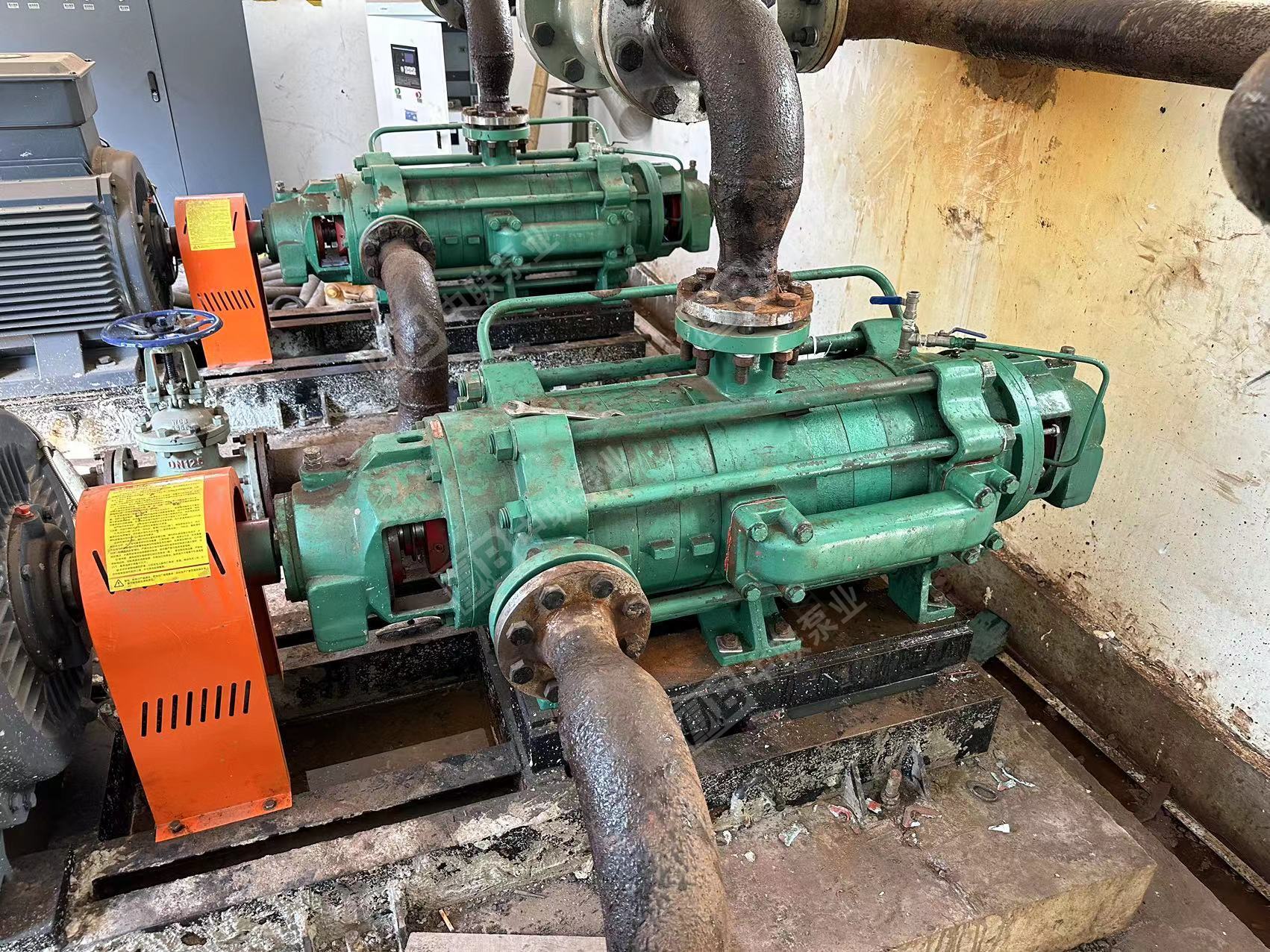
Please click on the image to learn about the model specifications and product details of Changsha Zhonglian Pump Industry’s [multi-stage centrifugal pumps].
I. Pre-installation Preparatory Work
1. Conduct a comprehensive site survey of the installation work area, remove debris and obstacles from the work zone, ensure sufficient working space and a clean environment, and implement appropriate on-site safety protection measures.
2. Strictly verify the model and specification parameters of the horizontal multistage pump units on site, ensuring that they fully match the design drawings and the actual operational requirements at the site, thereby avoiding rework due to mismatches in model.
3. Prepare in advance all specialized installation tools and supporting materials, including lifting and hoisting equipment, leveling instruments, fastening bolts, dedicated sealing kits, wiring tools, and more, to ensure a continuous and efficient construction process.
II. Acceptance Criteria for Equipment Foundations
The installation foundation for a horizontal multistage pump body is essential to ensure the long-term stable operation of the equipment. Before installation, the foundation must undergo acceptance inspection.
1. Inspect the quality of the foundation’s concrete pour to ensure its surface is smooth and flat, its structure is robust, and it is free from quality defects such as cracks and honeycombing. Additionally, the foundation’s load-bearing capacity must meet the load requirements for the operation of the horizontal multistage pump unit.
2. Thoroughly clean the foundation surface of oil stains, dust, concrete residue, and other debris to ensure that the contact surface between the horizontal multistage pump body and the foundation is clean and tidy, thereby providing favorable conditions for subsequent fixing operations.
3. On-site Installation Procedure for Main Equipment
1. Use dedicated lifting equipment to carefully lower the multistage horizontal multistage pump onto the installation foundation, and then make preliminary adjustments to align the installation position of the horizontal multistage pump body with the pre-reserved pipe connections.
2. Use a level to precisely check the horizontal alignment of the horizontal multistage pump casing. By adjusting the height and position of shims, ensure that the horizontal multistage pump casing meets the horizontal installation requirements in both the longitudinal and transverse directions, thereby preventing bearing wear and abnormal vibrations caused by installation inclination.
3. Insert the anchor bolts and tighten the nuts in stages and symmetrically according to the specified torque values, securely fixing the horizontal multistage pump body to the foundation to prevent any displacement during operation.
4. Perform the connection work for the inlet and outlet pipelines, ensuring that the installation direction of the pipelines is consistent with the markings on the horizontal multistage pump body. During the connection process, avoid forcing the pipe ends together to prevent pipeline stress from being transferred to the horizontal multistage pump body, which could compromise sealing performance and operational stability. After completing the pipeline connections, thoroughly inspect the sealing surfaces to ensure there are no potential leakage risks.
5. When installing the matching motor, it is crucial to ensure that the coaxiality error between the horizontal multistage pump shaft and the motor shaft remains within the allowable range. Failure to meet the coaxiality standard will directly result in increased vibration during equipment operation and a shortened bearing life.
6. The power wiring of the motor shall be performed by a qualified electrician. During wiring, strictly follow the electrical schematic diagram to ensure correct connections and reliable grounding, thereby preventing equipment damage caused by electrical faults.
7. Install safety protection devices for the equipment, including motor guards and coupling guards, to prevent safety accidents involving on-site personnel.
8. Conduct a comprehensive re-inspection of the entire installation system to confirm that all components—such as the horizontal multistage pump body’s securement, pipeline connections, motor installation, and protective devices—meet the installation requirements.
IV. Commissioning and Testing After Installation
After installation is complete, a comprehensive commissioning and inspection must be carried out. The equipment can only be put into operation once its operational status has been confirmed as satisfactory.
1. Perform a manual turning operation on the horizontal multistage pump casing. During the rotation, the movement should feel smooth, without any jamming or unusual noises. This will help determine whether the installation status of components such as the rotor and bearings inside the horizontal multistage pump is normal.
2. Carry out a special inspection of the electrical system, including motor insulation performance testing, rechecking the firmness of wiring connections, and debugging the control circuits, to ensure that the motors can start and operate normally.
3. Start the horizontal multistage pump unit for a trial run, and monitor its operating condition in real time. Pay particular attention to whether the operating sound is uniform and whether the equipment’s vibration amplitude is within the standard range.
4. Using monitoring instruments such as pressure gauges and flow meters, verify the key operating parameters of the horizontal multistage pump—such as inlet and outlet pressures and actual flow rates—to confirm whether they meet the design requirements and on-site production needs.
5. After letting the equipment run continuously for a period of time, recheck the temperature changes of the horizontal multistage pump casing, bearing areas, and motor. At the same time, carefully inspect the sealing surfaces for any leaks to ensure that the equipment is operating smoothly and without abnormalities.
V. Project Acceptance and Documentation Filing
1. After all debugging and testing have been successfully completed, organize relevant personnel to carry out the project acceptance process. Once the acceptance is passed, sign the acceptance documents.
2. Detailed records shall be kept of key data during the installation process, including the installation date, personnel involved in the work, equipment model, foundation acceptance data, commissioning and operation parameters, and acceptance results, thereby creating a comprehensive installation record archive.
3. Organize and submit the complete set of engineering documentation, including equipment installation manuals, foundation acceptance reports, commissioning and testing records, and project acceptance reports, to provide comprehensive documentation support for subsequent equipment operation, maintenance, and repair.
VI. Daily Operation and Maintenance Management Standards
To further extend the service life of high-efficiency, energy-saving, multi-stage horizontal multistage pumps and ensure their long-term stable operation, daily operation and maintenance work must adhere to the following guidelines:
1. Assign dedicated personnel to conduct regular inspections of equipment operating conditions, with particular focus on intuitive indicators such as operating sounds, vibration levels, and temperature changes. If any abnormalities are detected, immediately stop the equipment for inspection.
2. Regularly inspect the condition of vulnerable components such as seals, bearings, and couplings. Based on the equipment’s operating hours and actual wear levels, promptly replace or maintain these components to prevent equipment failures caused by component damage.
3. Keep the horizontal multistage pump body and its surrounding environment clean and hygienic. Regularly remove dust and oil stains from the surface of the horizontal multistage pump body to prevent foreign objects from entering the pump interior and disrupting normal operation.
4. Establish a comprehensive equipment operation and maintenance archive, meticulously recording the time, content, personnel involved, and operational status of each inspection, maintenance, and repair activity, thereby providing data support for the equipment’s full lifecycle management.
In summary, the on-site installation of high-efficiency, energy-saving, multi-stage horizontal multistage pumps must strictly adhere to standardized procedures. From preliminary preparation and foundation acceptance through to main-body installation and commissioning tests, every single step requires precise control to ensure installation quality. At the same time, the accompanying acceptance documentation and routine operation and maintenance activities are also critical to guarantee the long-term stable operation of the equipment. Only by integrating installation standards with operation and maintenance management can we fully harness the performance of these high-efficiency, energy-saving, multi-stage horizontal multistage pumps and provide reliable support for industrial production.
Recommended Information


Related Products
Perhaps you also want to know?
Zoomlian Pump Industry
Address:No. 210, Environmental Protection Middle Road, Yuhua Economic Development Zone, Changsha City, Hunan Province China
All rights reserved © Changsha Zoomlian Pump Co., Ltd.
This website supports IPv4 IPv6 bidirectional access
Website construction:Zhongqi Power Changsha