

-
Products
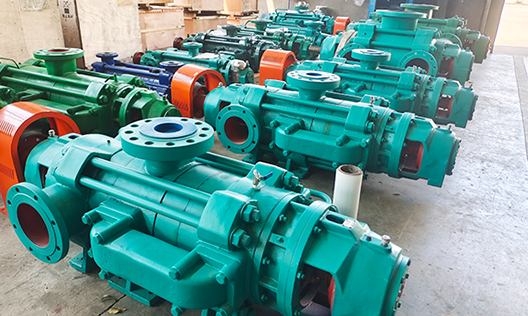
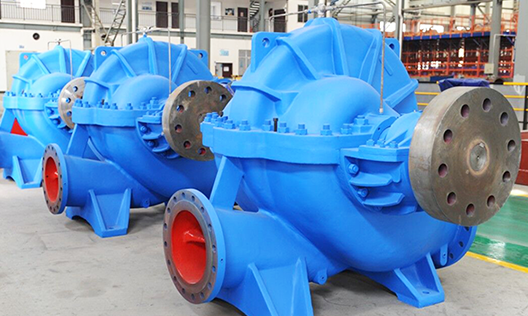
Puede fabricar 26 series de productos, incluyendo bombas de circulación para grandes centrales eléctricas, bombas de condensación para grandes centrales eléctricas, bombas petroquímicas, bombas multietapa, bombas de aguas residuales y lodo, bombas multietapa autoequilibradas, bombas de doble succión y única etapa tipo split, y bombas centrífugas de succión simple y única etapa.
-
Cases
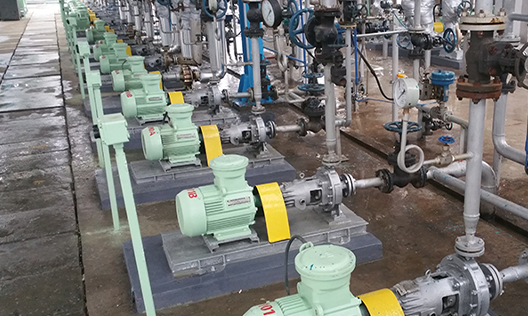
La elección de más de cientos de miles de clientes, cubriendo industrias como minería de carbón, metalurgia, química, energía, recursos hídricos, alimentos, municipalidades y protección ambiental, y exportando a Asia Sudeste, África, América y otros lugares.
-
Service
La empresa fue la primera en la industria en obtener las certificaciones internacionales del sistema de calidad ISO 9001:2008, del sistema de gestión ambiental ISO 14001 y del sistema de gestión de seguridad y salud ocupacional GB/T 28001, además de la certificación API 610 de la Asociación Estadounidense del Petróleo.
-
About us
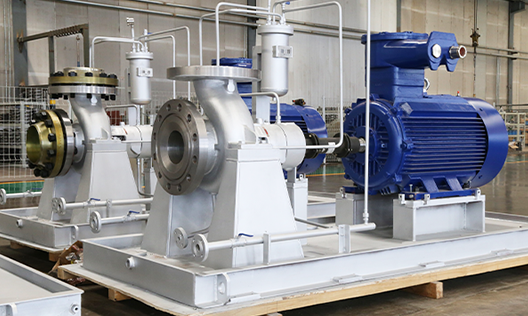
La empresa, fundada en 1989, es una empresa nacional de alta tecnología integral que integra diseño, investigación y desarrollo, fabricación y servicios; actualmente es una empresa clave en la industria china de bombas centrífugas y una de las grandes fábricas especializadas.
-

Blogs
Con productos innovadores, calidad excepcional y servicios integrales, buscamos la verdad y la pragmática, avanzamos con iniciativa, y nos esforzamos por lograr el objetivo de ser "la marca líder en el campo de aplicación de bombas centrífugas en el país"! Raigada en Hunan, orientada a todo el país y hacia el mundo!
Operating Procedures and Precautions for Replacing Mechanical Seals in Chemical Pumps
Publication Date:
2025-12-04
Author:
Source:


In industrial sectors such as chemical engineering, pharmaceuticals, environmental protection, and petroleum, chemical pumps—being the core equipment for fluid transportation—have their operational stability directly linked to production continuity and safety levels. This is especially true when handling corrosive, high-viscosity, or easily crystallizable media. Mechanical seal Reliability becomes the key guarantee for the long-term stable operation of equipment. Industry data show that sealing failures in chemical pumps account for more than 65% of all equipment failure rates, with 80% of these failures originating from operational mistakes during installation and removal. Therefore, standardized mechanical seal operations are not only a fundamental requirement for equipment maintenance but also an essential measure to prevent medium leakage, eliminate safety accidents, and ensure continuous production. Mastering a scientific installation and removal procedure can effectively extend the seal’s service life by more than 30%, reduce downtime losses, and enhance overall operational efficiency. In this article, the chemical pump manufacturer... Changsha Zhonglian Pump Industry The technical engineer would like to share the operational procedures and precautions for replacing mechanical seals on chemical pumps, for reference by user organizations.

1. Before installation, ensure that the sealing cavity is clean and free of foreign objects, and that all mating surfaces are smooth and dimensionally accurate. Inspect the sealing surfaces of the rotating ring and stationary ring—any scratches or dents are strictly prohibited. Prior to installation, thoroughly wipe clean all components—including the pump body, impeller, and sealing cavity—using a soft, clean cloth, and apply an appropriate amount of clean lubricant.
2. During installation, the gland screws should be tightened evenly to ensure consistent clearances around the circumference and prevent misalignment that could lead to sealing failure. The spring compression must be strictly controlled within... 2 Within a millimeter-level tolerance, the rotor should rotate smoothly without any sticking or jamming once installation is complete.
3. When disassembling, never use a hammer or metal tools to strike the parts; instead, use specialized tools and handle them gently. If dirt makes disassembly difficult, clean the parts thoroughly before proceeding to avoid damaging the sealing elements. After disassembly, inspect the condition of the sealing elements and promptly replace any components found to be defective.
4. In service conditions involving media that are prone to crystallization, mechanical seals must be flushed regularly. Before restarting the equipment after a shutdown, be sure to clean any crystals that have formed on the sealing surfaces to prevent crystallization from causing seal failure. Mechanical seals should always be used in clean media, and operation in media containing suspended particles is strictly prohibited.
5. Leakage of the medium from chemical pumps not only affects equipment operation but can also pose hazards to the environment and personnel. Therefore, installation and removal must be carried out strictly in accordance with established procedures to ensure reliable sealing performance.
By following standardized installation and removal procedures, the service life of mechanical seals for chemical pumps can be significantly extended, equipment failure rates can be reduced, and the overall operational efficiency of chemical pumps can be improved. The professional team at Changsha Zhonglian Pump Industry is equipped to provide customers with maintenance services, including mechanical seal installation and removal. Please feel free to consult us if you have any needs. Online customer service Or call 1561644288 (same number on WeChat) for inquiries.
Recommended Information


Related Products
Perhaps you also want to know?
Zoomlian Pump Industry
Address:No. 210, Environmental Protection Middle Road, Yuhua Economic Development Zone, Changsha City, Hunan Province China
All rights reserved © Changsha Zoomlian Pump Co., Ltd.
This website supports IPv4 IPv6 bidirectional access
Website construction:Zhongqi Power Changsha