

-
Products
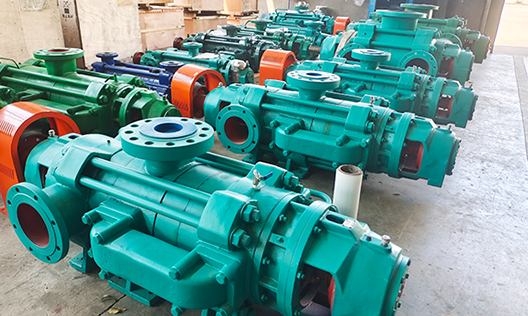
Puede fabricar 26 series de productos, incluyendo bombas de circulación para grandes centrales eléctricas, bombas de condensación para grandes centrales eléctricas, bombas petroquímicas, bombas multietapa, bombas de aguas residuales y lodo, bombas multietapa autoequilibradas, bombas de doble succión y única etapa tipo split, y bombas centrífugas de succión simple y única etapa.
-
Cases
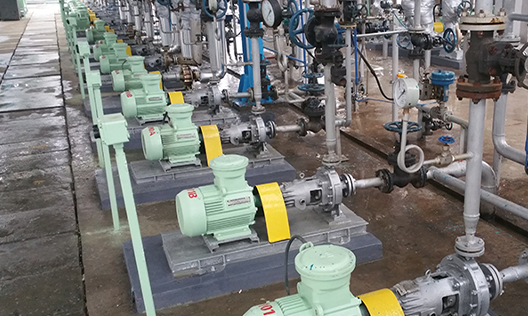
La elección de más de cientos de miles de clientes, cubriendo industrias como minería de carbón, metalurgia, química, energía, recursos hídricos, alimentos, municipalidades y protección ambiental, y exportando a Asia Sudeste, África, América y otros lugares.
-
Service
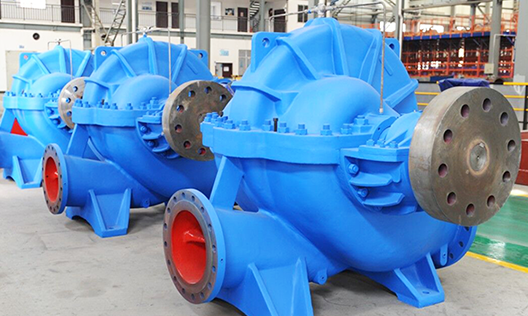
La empresa fue la primera en la industria en obtener las certificaciones internacionales del sistema de calidad ISO 9001:2008, del sistema de gestión ambiental ISO 14001 y del sistema de gestión de seguridad y salud ocupacional GB/T 28001, además de la certificación API 610 de la Asociación Estadounidense del Petróleo.
-
About us
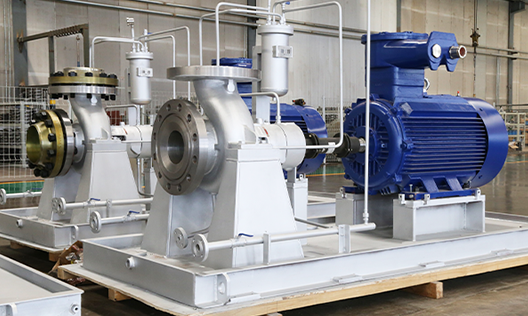
La empresa, fundada en 1989, es una empresa nacional de alta tecnología integral que integra diseño, investigación y desarrollo, fabricación y servicios; actualmente es una empresa clave en la industria china de bombas centrífugas y una de las grandes fábricas especializadas.
-

Blogs
Con productos innovadores, calidad excepcional y servicios integrales, buscamos la verdad y la pragmática, avanzamos con iniciativa, y nos esforzamos por lograr el objetivo de ser "la marca líder en el campo de aplicación de bombas centrífugas en el país"! Raigada en Hunan, orientada a todo el país y hacia el mundo!
The Three Core Challenges Affecting the Service Life of Industrial Circulating Water Pumps
Publication Date:
2025-11-25
Author:
Source:


In the modern industrial production system, general-purpose mechanical equipment is an indispensable force of production, and pumps rightfully occupy a significant position among these essential components. The high-flow transportation of industrial circulating water is a core link that ensures the stable operation of production chains in industries such as chemicals, power generation, and steelmaking. This function spans critical applications like equipment cooling and process water distribution, effectively serving as the "blood circulation system" of industrial production. The selection of circulating water pumps depends on Centrally activated pump (Double-suction centrifugal pump), Single-stage pump (Top-suction pump), Pipeline pump And Multistage centrifugal pump To begin with, take the chemical industry as an example: various chemical reactions continuously release significant amounts of industrial waste heat. If this heat cannot be efficiently exchanged through circulating water in a timely manner, production equipment is highly susceptible to overheating, leading to malfunctions—or even safety hazards. As the core heat-exchange medium in industrial production, circulating water effectively removes the heat generated during reactions, ensuring that equipment consistently operates within its designed temperature range and maintaining the seamless continuity of the production process. While the high-flow capability of circulating water systems plays a crucial role, these systems still face three major challenges in practical applications, directly impacting both transportation efficiency and equipment longevity. In this article, we will explore these challenges in greater detail, along with insights from a leading pump manufacturer. Changsha Zoomlion Pump Industry Let's explore the three core challenges that affect the service life of industrial circulating water pumps.

I. Performance Testing of Equipment for Ultra-High Traffic Demands
As industrial production capacity expands and processes are upgraded, industries are experiencing a stepwise surge in their demand for circulating water flow rates, placing stringent demands on the pumping capabilities of transportation equipment. Take large-scale steel integrated enterprises as an example: from cooling the blast furnace during ironmaking to rapidly reducing the temperature of hot-rolled steel surfaces, the entire process can require thousands of cubic meters of circulating water per hour. In fact, some ultra-large steel plants even see individual production lines exceed the 10,000-cubic-meter mark. To meet these massive water-flow demands, pump equipment must not only deliver exceptional core performance—such as high head and substantial flow—but also prioritize energy consumption control. If the pump unit fails to provide adequate flow output, it will directly compromise the cooling efficiency of production equipment, affecting product precision and increasing the risk of equipment overheating, which could lead to costly downtime and significant economic losses.
II. Equipment Corrosion and Wear Issues Caused by Complex Media
Industrial circulating water is far from pure; its medium typically contains solid particles such as silt and rust, as well as microorganisms like algae and bacteria, along with acidic, alkaline, and saline chemical substances. These components can damage conveying equipment in multiple ways. For instance, solid particles continuously erode pump impellers and flow-path components through "abrasive wear," much like sandpaper rubbing against a metal surface—gradually compromising the equipment's sealing performance and shortening its service life. Meanwhile, under favorable conditions of water temperature and nutrient availability, microorganisms tend to form biofouling sludge, which not only clogs pipelines and pump passages but also acts as a "catalyst" for corrosive reactions. Additionally, corrosive ions like chloride ions present in the water serve as an "invisible killer" for stainless steel pumps: these ions can breach the passive oxide layer on the stainless steel surface, creating initial pitting corrosion sites that then trigger self-catalyzed reactions, further deepening the corrosion pits over time. In some chemical plants, excessive chloride ion levels in circulating water have led to pump body perforations within just a few months, forcing frequent equipment replacements. This not only drives up operational and maintenance costs but also disrupts production schedules.
III. Challenges in Equipment Durability Under Long-Term Operation
Industrial circulating water transmission systems typically require 7 × 24 Operating continuously for extended periods, the equipment faces the combined effects of mechanical stress, thermal stress, and chemical corrosion during long-term operation, making it highly susceptible to fatigue damage, sealing failures, and other issues. Take the circulating water system in a thermal power plant as an example: due to the generally high temperature of the circulating water, the metal materials of the pump body are prone to thermal deformation. Meanwhile, rubber seals exposed to high-temperature environments accelerate aging, leading to hardening, cracking, or even permanent deformation—directly compromising their sealing performance. Moreover, under harsh operating conditions characterized by high temperatures, high humidity, and elevated pressure, the likelihood of equipment failures such as bearing wear and pump shaft seal leaks significantly increases. Once equipment malfunctions occur, not only does this result in immediate production downtime losses, but the subsequent repair work and component replacements also incur substantial time and financial costs, delivering a double blow to the company's overall production efficiency and profitability.
Recommended Information


Related Products
Perhaps you also want to know?
Zoomlian Pump Industry
Address:No. 210, Environmental Protection Middle Road, Yuhua Economic Development Zone, Changsha City, Hunan Province China
All rights reserved © Changsha Zoomlian Pump Co., Ltd.
This website supports IPv4 IPv6 bidirectional access
Website construction:Zhongqi Power Changsha