

-
Products
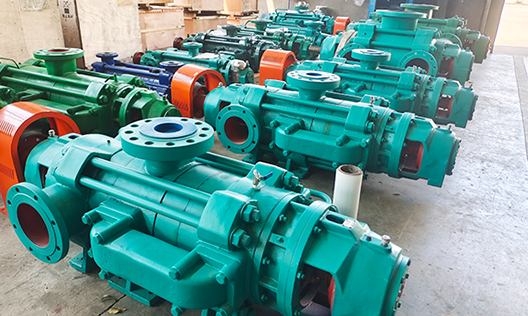
Puede fabricar 26 series de productos, incluyendo bombas de circulación para grandes centrales eléctricas, bombas de condensación para grandes centrales eléctricas, bombas petroquímicas, bombas multietapa, bombas de aguas residuales y lodo, bombas multietapa autoequilibradas, bombas de doble succión y única etapa tipo split, y bombas centrífugas de succión simple y única etapa.
-
Cases
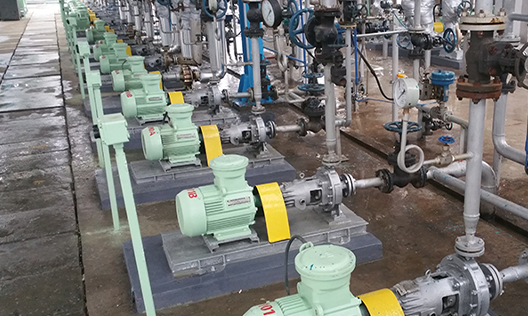
La elección de más de cientos de miles de clientes, cubriendo industrias como minería de carbón, metalurgia, química, energía, recursos hídricos, alimentos, municipalidades y protección ambiental, y exportando a Asia Sudeste, África, América y otros lugares.
-
Service
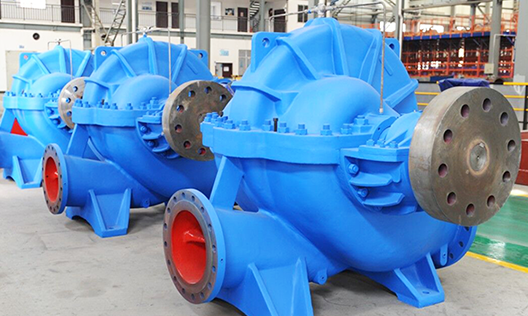
La empresa fue la primera en la industria en obtener las certificaciones internacionales del sistema de calidad ISO 9001:2008, del sistema de gestión ambiental ISO 14001 y del sistema de gestión de seguridad y salud ocupacional GB/T 28001, además de la certificación API 610 de la Asociación Estadounidense del Petróleo.
-
About us
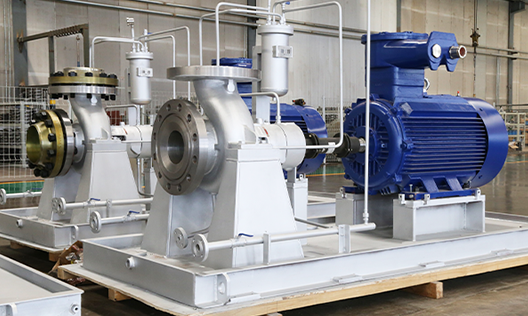
La empresa, fundada en 1989, es una empresa nacional de alta tecnología integral que integra diseño, investigación y desarrollo, fabricación y servicios; actualmente es una empresa clave en la industria china de bombas centrífugas y una de las grandes fábricas especializadas.
-

Blogs
Con productos innovadores, calidad excepcional y servicios integrales, buscamos la verdad y la pragmática, avanzamos con iniciativa, y nos esforzamos por lograr el objetivo de ser "la marca líder en el campo de aplicación de bombas centrífugas en el país"! Raigada en Hunan, orientada a todo el país y hacia el mundo!
The Five Common Causes of Impurity Accumulation in the Packing Chamber of Horizontal Multistage Centrifugal Pumps and Corresponding Recommendations
Publication Date:
2025-11-13
Author:
Source:


As a core fluid-handling device in industrial, agricultural, and municipal water supply systems, the horizontal multistage centrifugal pump is widely adopted due to its high efficiency, low energy consumption, and stable operation. However, during prolonged use, some users have reported that impurities tend to accumulate in the pump’s stuffing box area. This not only accelerates seal wear and reduces volumetric efficiency but may also lead to leaks or even equipment failure. Therefore, gaining a deeper understanding of the mechanisms behind impurity entry into the stuffing box—and implementing targeted preventive measures—are crucial for ensuring the pump’s reliability and extending its service life.

Here are the centrifugal pump manufacturers. Changsha Zhonglian Pump Industry Summary of the five common causes leading to impurity buildup in the packing area of horizontal multistage centrifugal pumps, along with recommended solutions:
1. The operating environment suffers from severe dust pollution.
If the pump is installed or operated in environments with high concentrations of dust, sand, or particulate matter (such as mines, building material plants, or open-air agricultural irrigation stations), external particles may enter the pump chamber along with the medium through shaft seal gaps or the suction inlet, eventually accumulating in the packing area. It is recommended to optimize equipment layout by installing protective covers or isolation barriers, and to regularly clean the area around the pump housing—taking proactive measures to minimize pollutant intrusion at its source.
2. Filler aging, wear, or deformation
As a dynamic sealing element, packing is prone to hardening, cracking, or compressive failure under prolonged friction, high temperatures, or chemical corrosion. Once the packing loses its elasticity or develops irregular deformation, the sealing gap between it and the shaft will change—leading not only to a decline in sealing performance but also increasing the risk of "dead spots," where contaminants can accumulate and continue to build up over time. Therefore, a regular inspection mechanism should be established to promptly replace any packing that shows signs of wear, carbonization, or leakage.
3. The conveying medium was not adequately filtered.
This is one of the primary reasons for impurity buildup in the packing chamber. If the liquid being pumped contains sand, rust, fibers, welding slag, or other solid suspended particles, and if the system lacks a properly sized filter or strainer at the inlet, these impurities can easily enter the pump along with the fluid and deposit themselves in the packing gland area, where the flow velocity is relatively low. It is recommended to install a filter on the pump's inlet pipeline. Y Type filters or basket filters, and select the appropriate filtration accuracy based on the medium's characteristics (typically below 80 – 200 Eye), while also regularly cleaning the filter.
4. Filler installation is not standardized.
The installation quality of the packing directly affects the sealing performance and impurity-blocking capability. If the cuts are not staggered during installation, the gland pre-tightening force is uneven, the number of packing rings is insufficient, or the packing is excessively compressed, it can lead to abnormal gaps at the sealing interface or localized stress concentrations—creating ideal conditions for impurities to penetrate and accumulate. It is essential that trained technicians follow the manufacturer’s installation guidelines precisely, ensuring the packing is cut at the correct angle, each ring is tightly pressed in place, and the tension remains appropriately balanced.
5. Maintenance and upkeep are inadequate.
Lacking a systematic maintenance plan is the root cause of many on-site issues. Prolonged failure to disassemble, clean, or lubricate pumps allows existing impurities to accumulate continuously—and even mix with the lubricant to form abrasive paste, accelerating wear on the shaft and packing components. It is recommended to establish a periodic maintenance schedule that includes checking the tightness of the packing gland, monitoring leakage levels, and removing residue from the stuffing box, ensuring "early detection and prompt action."
In summary, the accumulation of impurities in the packing chamber of horizontal multistage centrifugal pumps is not caused by a single factor, but rather results from the combined influence of various elements, including environmental conditions, process media, component status, installation procedures, and operational management practices. Only by addressing the entire chain—from design and selection through installation and commissioning to daily operations—can we effectively prevent such issues and ensure the long-term, efficient, and safe operation of the equipment.
Recommended Information


Related Products
Perhaps you also want to know?
Zoomlian Pump Industry
Address:No. 210, Environmental Protection Middle Road, Yuhua Economic Development Zone, Changsha City, Hunan Province China
All rights reserved © Changsha Zoomlian Pump Co., Ltd.
This website supports IPv4 IPv6 bidirectional access
Website construction:Zhongqi Power Changsha