

-
Products
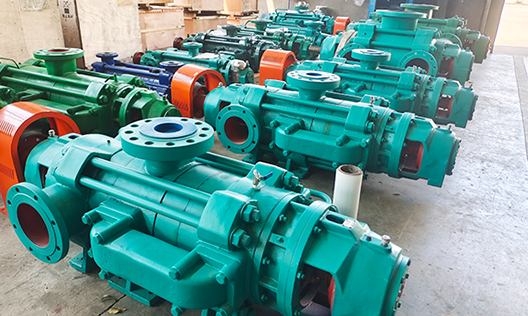
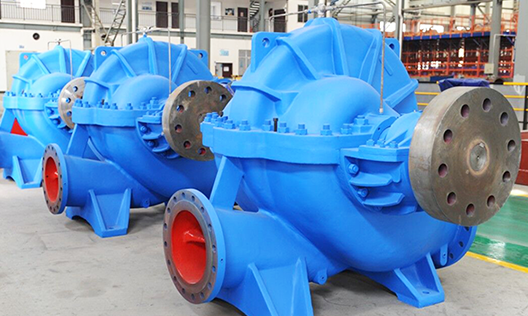
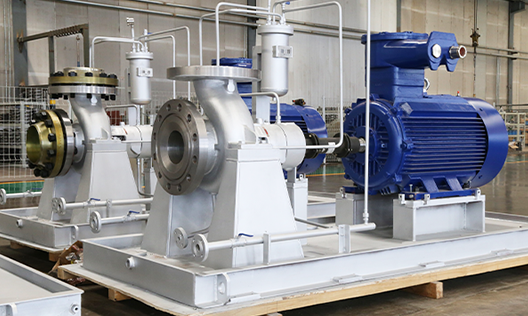
Puede fabricar 26 series de productos, incluyendo bombas de circulación para grandes centrales eléctricas, bombas de condensación para grandes centrales eléctricas, bombas petroquímicas, bombas multietapa, bombas de aguas residuales y lodo, bombas multietapa autoequilibradas, bombas de doble succión y única etapa tipo split, y bombas centrífugas de succión simple y única etapa.
-
Cases
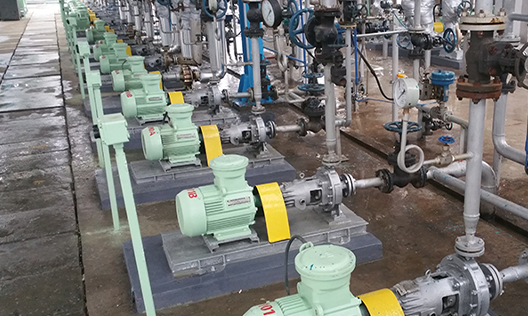
La elección de más de cientos de miles de clientes, cubriendo industrias como minería de carbón, metalurgia, química, energía, recursos hídricos, alimentos, municipalidades y protección ambiental, y exportando a Asia Sudeste, África, América y otros lugares.
-
Service
La empresa fue la primera en la industria en obtener las certificaciones internacionales del sistema de calidad ISO 9001:2008, del sistema de gestión ambiental ISO 14001 y del sistema de gestión de seguridad y salud ocupacional GB/T 28001, además de la certificación API 610 de la Asociación Estadounidense del Petróleo.
-
About us
La empresa, fundada en 1989, es una empresa nacional de alta tecnología integral que integra diseño, investigación y desarrollo, fabricación y servicios; actualmente es una empresa clave en la industria china de bombas centrífugas y una de las grandes fábricas especializadas.
-

Blogs
Con productos innovadores, calidad excepcional y servicios integrales, buscamos la verdad y la pragmática, avanzamos con iniciativa, y nos esforzamos por lograr el objetivo de ser "la marca líder en el campo de aplicación de bombas centrífugas en el país"! Raigada en Hunan, orientada a todo el país y hacia el mundo!
The Correct Operating Procedures and Precautions for Priming and Starting Multi-Stage Centrifugal Pumps
Publication Date:
2025-11-11
Author:
Source:


Multi-stage pumps are divided into balance discs. Horizontal Multistage Pump The self-balancing multistage pump is an important type of centrifugal pump, renowned for its high head and large flow capabilities. It is widely used in agricultural irrigation and water-lifting operations in hydraulic engineering projects. However, the working principle of a centrifugal pump dictates that both the pump body and the suction pipeline must be completely filled with liquid—air must be thoroughly purged—for proper startup. If air remains trapped inside the pump, it can prevent the system from generating sufficient suction pressure, leading to the "air binding" phenomenon. This, in turn, causes the pump to run dry, fail to deliver water, or even damage the bearings. Therefore, mastering scientific and efficient methods for priming and filling multistage pumps is crucial for ensuring stable equipment operation and enhancing the efficiency of engineering tasks. In this article, a manufacturer of multistage pumps will provide practical insights into the correct procedures and key considerations for priming and filling centrifugal (multistage) pumps, helping industry professionals perform these operations safely and effectively.
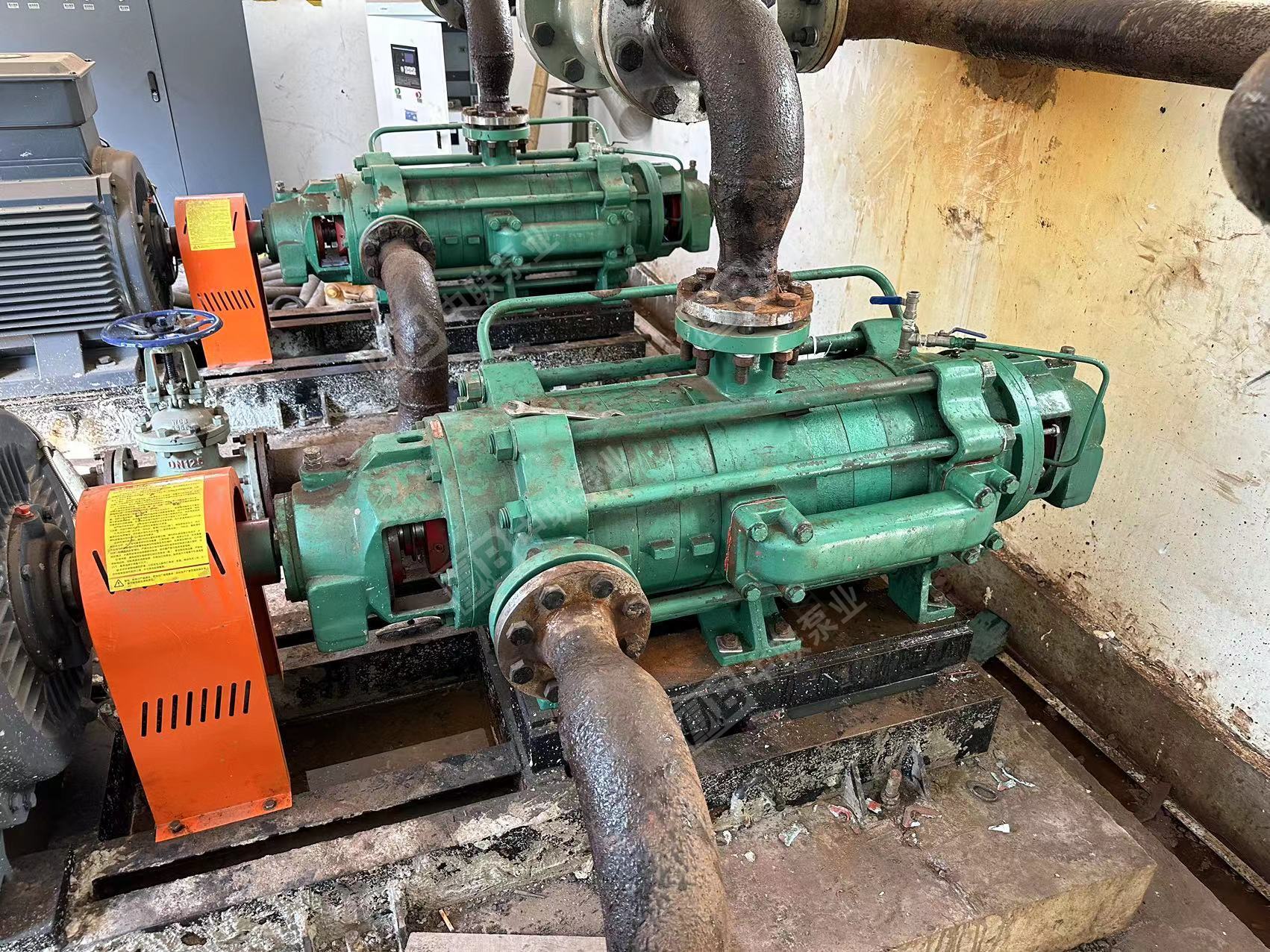
I. The Core Method for Priming and Starting Multi-stage Pumps (Centrifugal Pumps)
1. Artificial Priming Method (Suitable for Small Multistage Pumps and Simple Projects)
This is the most basic method for priming and filling a pump, suitable for small-scale multistage pumps with low flow rates and short suction pipelines. Here are the operational steps: First, close the pump outlet valve and open the air vent valve located at the top of the pump body. Next, slowly pour clean liquid (matching the medium being pumped, such as irrigation water) into the pump through the filling port on the pump body (or by removing the pump cover). As you do this, monitor the air vent valve—when the liquid flowing out becomes bubble-free and continuous, it indicates that the pump casing and suction line have been completely purged of air. At this point, immediately close both the air vent valve and the filling port. Finally, start the motor; once the pump is running smoothly, slowly open the outlet valve and adjust it to normal operating conditions.
Note: When injecting the liquid, avoid allowing impurities to enter the pump body to prevent wear on the impeller. This method is low-cost and easy to operate, but it has lower efficiency and is not suitable for large pump units or complex piping systems.
2. Vacuum water lifting method (the most widely used, highly efficient approach)
The vacuum priming method uses a vacuum pump to create negative pressure, evacuating air from the suction piping and pump body. This allows liquid to enter the pump under atmospheric pressure, making it suitable for medium- to large-sized multistage pumps and scenarios involving long suction lines. Here's how it works: Connect the top vent on the multistage pump body to the vacuum pump, then close the outlet valve. Next, start the vacuum pump to remove air from both the pump body and the suction line, establishing a stable negative pressure within the system—typically maintained at a level no lower than -0.06MPa ); When the pump body's exhaust port continuously discharges liquid without any bubbles, close the vacuum pump and the exhaust valve; then start the multi-stage pump motor, and after it runs smoothly, slowly open the outlet valve.
Advantages: High water intake efficiency, low labor intensity, and the ability to enable remote control make it the mainstream method for water intake in large-scale agricultural irrigation pump stations and hydraulic engineering booster pump stations. Note that regular maintenance of the vacuum pump is essential to ensure optimal sealing performance.
3. Self-priming Tank Water Intake Method (A Convenient Solution for Automatic Water Drawing)
The self-priming tank water intake method involves installing a self-priming tank at the suction end of a multi-stage pump, utilizing the liquid stored inside the tank to enable the pump to automatically draw in water—eliminating the need for manual, repetitive priming. This method is particularly suitable for scenarios where multi-stage pumps require frequent start-and-stop operations. Here’s how it works: The self-priming tank is connected directly to the pump’s suction inlet. During the initial use, the tank is filled completely with liquid, and the exhaust valve is closed. Once the multi-stage pump is started, the rotating impeller inside the pump generates negative pressure, which draws the liquid from the self-priming tank into the pump body. Simultaneously, this process creates a vacuum within the tank itself, allowing liquid from the water source to be drawn into the tank and replenish the system. After the system stabilizes, the self-priming tank can continuously and automatically supply water, so there’s no need to manually refill the tank each time the pump is restarted.
Applicable scenarios: Mobile pump stations for agricultural irrigation, small-scale emergency water-lifting equipment for hydraulic projects, and more—featuring convenient operation and rapid startup, these solutions effectively reduce labor costs.
4. Bottom Valve Water Intake Method (Simplified Backflow Prevention Solution)
The bottom valve priming method uses a bottom valve (a one-way valve) installed at the end of the suction line—submerged in the water source—to prevent liquid backflow after the system is filled with fluid. This method is suitable for scenarios with low suction heights and where high priming efficiency isn't critical. To operate: First, close the outlet valve and open the pump's air vent valve. Next, pour liquid into the pump’s filling port; the liquid will flow through the suction line and reach the bottom valve, which automatically closes to block any backflow, ensuring the pump and suction line are completely filled. Once all air has been expelled, close the air vent valve and then start the pump unit.
Shortcomings: The bottom valve is prone to clogging by impurities in the water, increasing pipeline resistance and reducing pump efficiency. It requires regular disassembly and cleaning, and prolonged use can lead to higher energy consumption. As a result, its application in large-scale projects has been gradually declining.
5. Jet-Driven Water Intake Method (Suitable for Off-Grid or Emergency Scenarios)
The jet-induced water intake method uses the negative pressure generated by a high-pressure water jet to draw in water, making it ideal for scenarios where electricity is scarce (and can be paired with a diesel engine for power) or for emergency water-lifting applications involving multi-stage pumps. The principle behind this method is simple: a high-pressure pump creates a powerful water jet that is forcefully ejected through the nozzle of a jet ejector, generating a significant negative pressure within the ejector's mixing chamber. This negative pressure effectively evacuates air from inside the multi-stage pump body while simultaneously drawing in the source water. Once the pump casing is fully filled with liquid, the system smoothly transitions into normal multi-stage pump operation.
Advantages: Simple structure and no need for additional electricity (can share a power source with multi-stage pumps), making it ideal for scenarios such as emergency water rescue operations and agricultural irrigation in remote areas. Disadvantages: Some energy is consumed during the water intake process, resulting in slightly lower efficiency compared to vacuum water induction methods.
II. Key Considerations for Multi-stage Pump Priming and Operation
1. Air must be completely exhausted to eliminate the risk of air binding.
Air binding is a common failure in centrifugal pumps (multistage pumps), originating from residual air trapped inside the pump body or piping system. During operation, ensure that the vent valve remains fully open and monitor the discharged liquid until no air bubbles are visible—only then should you close the valve. Never start the motor with air still present in the system; otherwise, the pump may run dry without delivering water. Prolonged dry running can lead to overheating, ultimately damaging the mechanical seal and bearings.
2. Check the reliability of seals and piping.
Before starting, check the sealing performance of the pump shaft seal, suction pipeline connections, valves, and other components. Any leaks could allow air to enter the pipeline, preventing the formation of effective negative pressure and compromising the priming effect. Additionally, inspect the suction pipeline for kinks or blockages to ensure smooth liquid flow.
3. Standardize start-and-stop operations to protect equipment lifespan.
Before starting a multistage pump, the outlet valve must be closed ("closed-valve start") to reduce the inrush current and prevent motor overload. After startup, wait until the pump runs smoothly (with normal pressure, vibration, and noise levels) before slowly opening the outlet valve. When shutting down, first close the outlet valve and then cut off the power supply to avoid water hammer damage to the pump body and piping system.
4. Match medium characteristics to prevent equipment damage.
The injected water must match the conveyed medium (e.g., use clean water for irrigation, and employ sewage pumps specifically designed for wastewater in hydraulic engineering projects). Absolutely avoid using liquids containing impurities or corrosive substances to prevent wear on the impeller and corrosion of pump components.
The quality of priming and filling for multi-stage pumps (centrifugal pumps) directly determines whether the equipment can start up properly and operate stably, significantly impacting agricultural irrigation reliability and enhancing water-lifting efficiency in hydraulic engineering projects. In practical applications, it’s essential to select the appropriate priming method based on factors such as pump unit specifications, pipeline length, and usage scenarios—for example, small pumps can use manual priming, while medium- to large-scale pumping stations should prioritize vacuum priming; and self-priming tank priming is ideal for scenarios involving frequent starts and stops. Adhering to standardized operating procedures and maintaining equipment effectively not only prevents issues like air binding but also extends the service life of multi-stage pumps, ensuring reliable support for efficient operations in both agricultural production and hydraulic engineering projects.
Recommended Information


Related Products
Perhaps you also want to know?
Zoomlian Pump Industry
Address:No. 210, Environmental Protection Middle Road, Yuhua Economic Development Zone, Changsha City, Hunan Province China
All rights reserved © Changsha Zoomlian Pump Co., Ltd.
This website supports IPv4 IPv6 bidirectional access
Website construction:Zhongqi Power Changsha