

-
Products
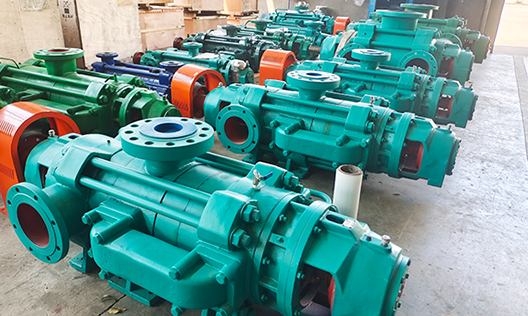
Puede fabricar 26 series de productos, incluyendo bombas de circulación para grandes centrales eléctricas, bombas de condensación para grandes centrales eléctricas, bombas petroquímicas, bombas multietapa, bombas de aguas residuales y lodo, bombas multietapa autoequilibradas, bombas de doble succión y única etapa tipo split, y bombas centrífugas de succión simple y única etapa.
-
Cases
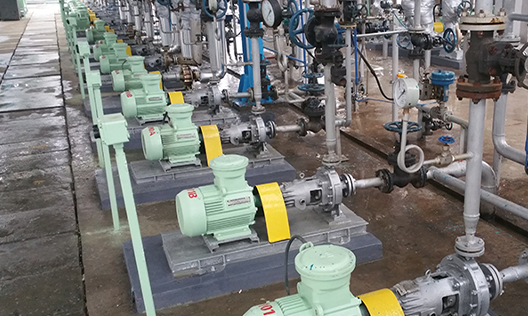
La elección de más de cientos de miles de clientes, cubriendo industrias como minería de carbón, metalurgia, química, energía, recursos hídricos, alimentos, municipalidades y protección ambiental, y exportando a Asia Sudeste, África, América y otros lugares.
-
Service
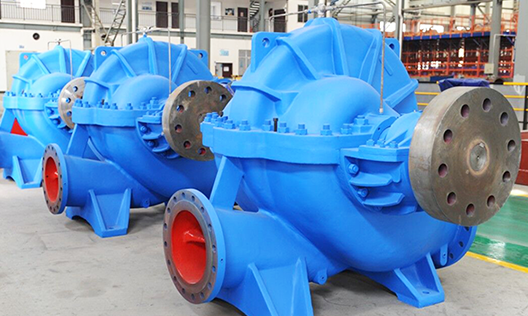
La empresa fue la primera en la industria en obtener las certificaciones internacionales del sistema de calidad ISO 9001:2008, del sistema de gestión ambiental ISO 14001 y del sistema de gestión de seguridad y salud ocupacional GB/T 28001, además de la certificación API 610 de la Asociación Estadounidense del Petróleo.
-
About us
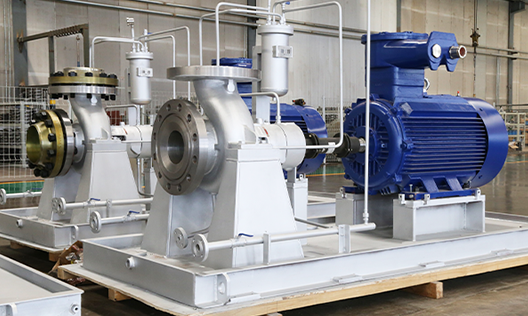
La empresa, fundada en 1989, es una empresa nacional de alta tecnología integral que integra diseño, investigación y desarrollo, fabricación y servicios; actualmente es una empresa clave en la industria china de bombas centrífugas y una de las grandes fábricas especializadas.
-

Blogs
Con productos innovadores, calidad excepcional y servicios integrales, buscamos la verdad y la pragmática, avanzamos con iniciativa, y nos esforzamos por lograr el objetivo de ser "la marca líder en el campo de aplicación de bombas centrífugas en el país"! Raigada en Hunan, orientada a todo el país y hacia el mundo!
What are the common sealing methods used in horizontal multistage centrifugal pumps?
Publication Date:
2025-09-20
Author:
Source:


Horizontal multistage centrifugal pumps often have to handle high pressures, media containing impurities, and even corrosive liquids. Once the seal fails, it not only leads to leakage that affects efficiency but can also trigger equipment malfunctions or pose safety risks. Many users tend to follow trends when selecting seals—such as assuming "more expensive is better" or believing "mechanical seals are always superior to packing seals." In reality, the key to choosing the right seal lies in matching it to the specific operating conditions. In this article, we'll explore how Changsha, a manufacturer of multistage centrifugal pumps, approaches seal selection. China United Pump Industry , let's disassemble the horizontal multistage centrifugal pump 5 The advantages and disadvantages of common sealing methods, plus a discussion of the pitfalls to watch out for when selecting the right one.
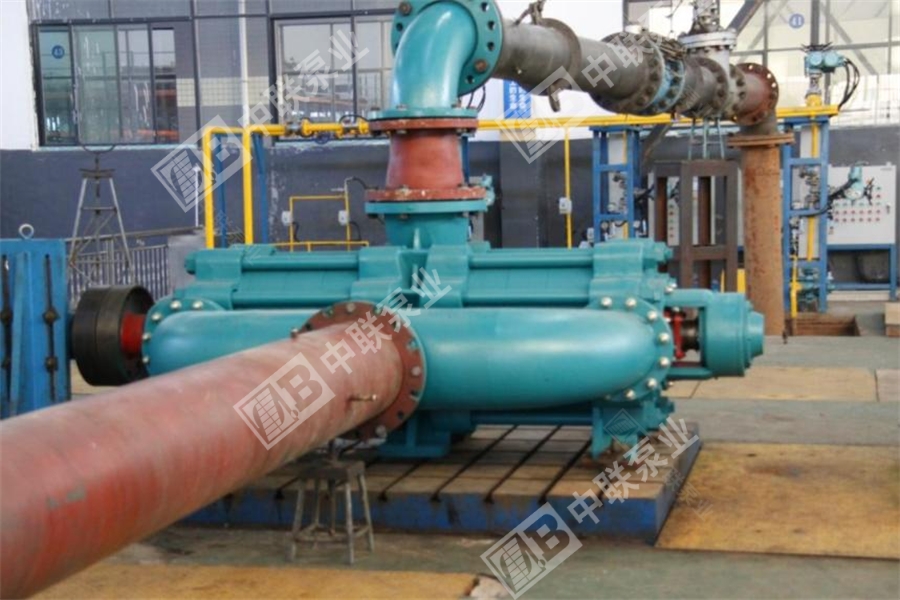
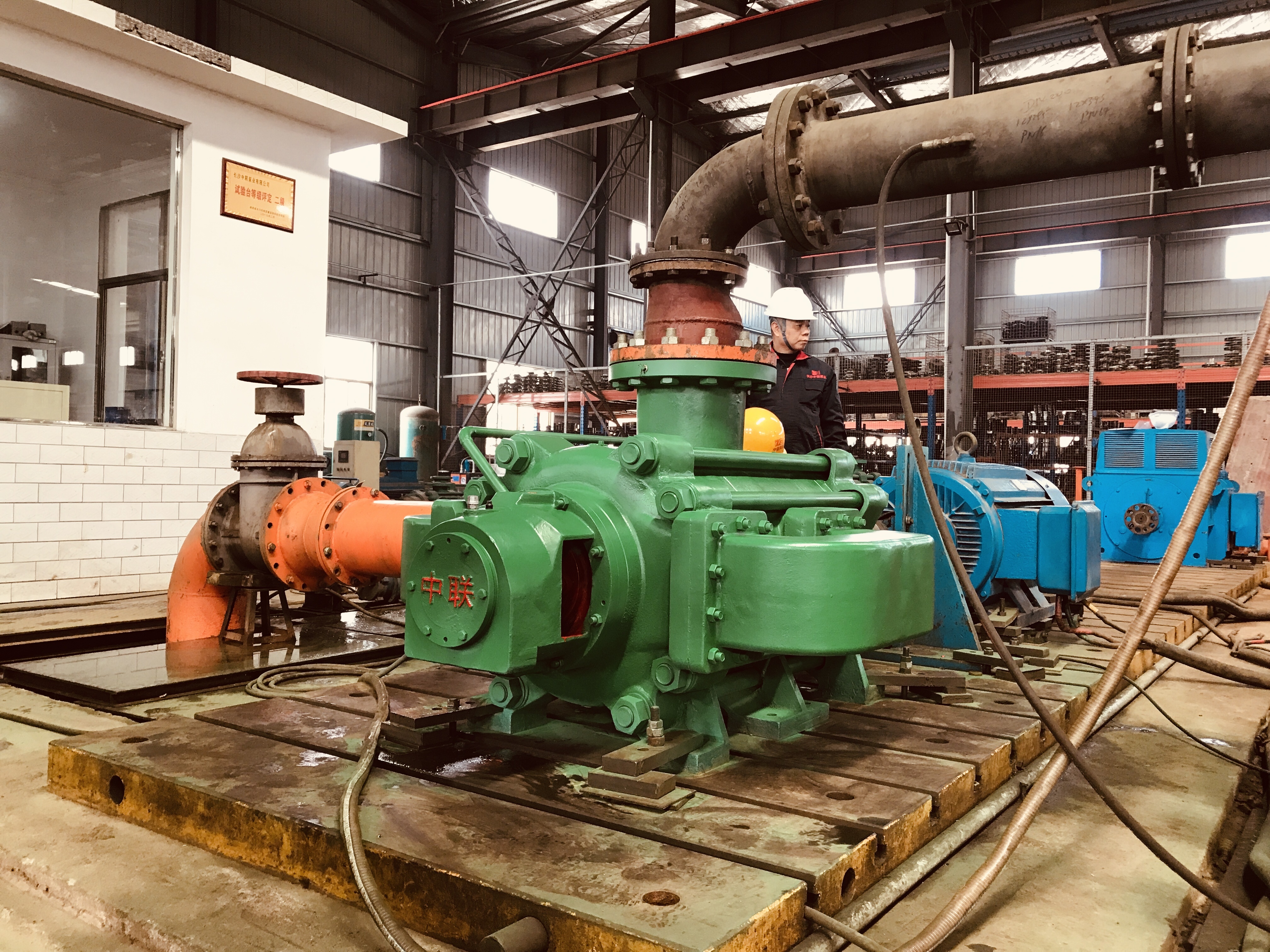
The first type is the packing seal, a traditional solution widely used in the field of mining multistage pumps. Its advantages include a simple structure and low costs for both procurement and initial installation, making it particularly popular among small to medium-sized mines with limited upfront budgets. However, during actual operation, friction between the packing and the pump shaft can lead to wear on the shaft sleeve, and minor leakage of the process medium may also occur. If maintenance is not performed promptly, the amount of leakage will gradually increase, typically requiring operations and maintenance personnel to regularly… 1-2 Inspect and replace the packing once every month; otherwise, it may affect the drainage progress.
The second type is the mechanical seal, which is more popular in applications with low leakage requirements. Compared to packing seals, it offers higher precision in sealing surface contact, allowing leakage rates under normal operating conditions to be controlled as low as per minute. 5 Within the drop, the service life can also reach 1-2 This year, maintenance frequency has been significantly reduced. However, the drawbacks are also quite obvious: procurement costs are higher than those of packing seals. 40%-60% Moreover, installation requires strict adherence to the parallelism of sealing surfaces and the coaxiality of the pump shaft—because if the deviation during installation exceeds 0.05mm , it can easily lead to rapid wear of the sealing surfaces, ultimately shortening the service life. Here’s an additional note: In mining applications, mechanically sealed equipment commonly uses either single-face or double-face seals—double-face seals are better suited for higher pressures (exceeding 1.6MPa ) Or in cases of highly corrosive media, a single mechanical seal is suitable for conventional clean water or mildly contaminated wastewater.
The third type is the floating seal, whose key advantage lies in its ability to accommodate axial movement. When a mining multistage pump is running, if the medium’s impact causes even slight axial displacement of the pump shaft, the floating seal’s elastic compensation mechanism can automatically adjust to maintain optimal contact between the sealing surfaces, thereby minimizing misalignment-related wear. However, it’s important to note that this type has specific requirements for medium particles—if the liquid contains a high concentration of particles larger than 0.5mm The hard particles must be used with a pre-filter device; otherwise, the particles could get stuck in the sealing gap, actually accelerating seal failure. Some users mistakenly believe it can handle all axial force variations, but in reality, when the amplitude of axial force fluctuations exceeds 0.3mm Under extreme operating conditions, an axial force balancing device is still required.
The fourth type is the combined seal, most commonly a "mechanical seal." + The composite design of "packing seal"—such as adding a packing seal outside the mechanical seal—effectively reduces leakage while relying on the mechanical seal, and simultaneously prevents large particulate impurities from coming into contact with the mechanical seal face by acting as an additional barrier. This setup essentially provides the mechanical seal with an extra "protective shield." While this solution balances low leakage with excellent resistance to impurities, its structure is more complex than a single-seal design. During installation, it requires careful adjustment of the mating clearance between the two seals, leading to slightly higher initial setup costs. It’s particularly well-suited for applications where the medium contains minor particles and operates at moderate pressure levels. 0.8-1.5MPa ) scenario.
The fifth type is magnetic sealing, which is a non-contact seal that transmits torque via magnetic coupling. It eliminates any direct friction between the shaft and the sealing element, making it particularly suitable for applications involving highly corrosive media—such as sulfur-containing mine water—or in underground explosion-proof zones where even the slightest leakage is unacceptable. However, this technology comes at a high cost—indeed, the entire system is priced significantly higher than conventional mechanical seals. 2-3 Moreover, the internal magnetic steel is temperature-sensitive—so if the pump overheats due to overload, the temperature rise could exceed... 80 ℃, magnetic steel demagnetization may occur, so it’s essential to equip the system with temperature monitoring and overload protection devices—otherwise, maintenance costs in the long run will be even higher.
When selecting a seal, consider not only its performance but also the "long-term cost": While packing seals are initially cheaper, over the course of a year, the combined labor and material costs of replacing the packing can actually exceed those of mechanical seals. Although mechanical seals are pricier upfront, they can provide continuous service with proper maintenance. 1 For more than a year, the overall cost has been more favorable. However, if the medium contains a high concentration of particles, even mechanical seals can easily wear out. In such cases, adding an additional flushing system—such as injecting clean water to isolate impurities—can significantly extend the seal's lifespan. 30% That's all.
Here’s a common misconception that needs to be corrected: mechanical seals aren’t necessarily better than packing seals. For instance, in pumps that require frequent starts and stops—such as intermittent drainage systems used underground—the sealing surfaces of mechanical seals are prone to developing microcracks due to repeated temperature fluctuations, making them less durable compared to the flexible, resilient structure of packing seals. On the other hand, if the medium contains large-sized particles at high concentrations, ordinary mechanical seals will wear out quickly. In such cases, it’s wiser to opt for specialized mechanical seals equipped with wear-resistant coatings, or alternatively, pair packing seals with reinforced shaft sleeves.
Recommended Information



Related Products
Perhaps you also want to know?
Zoomlian Pump Industry
Address:No. 210, Environmental Protection Middle Road, Yuhua Economic Development Zone, Changsha City, Hunan Province China
All rights reserved © Changsha Zoomlian Pump Co., Ltd.
This website supports IPv4 IPv6 bidirectional access
Website construction:Zhongqi Power Changsha