

-
Products
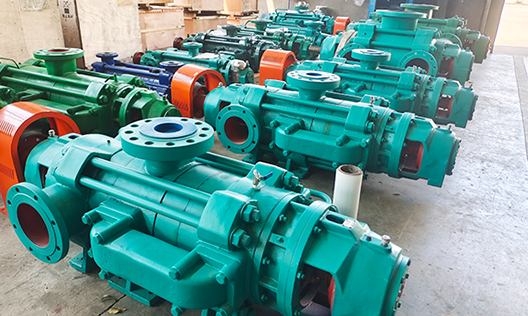
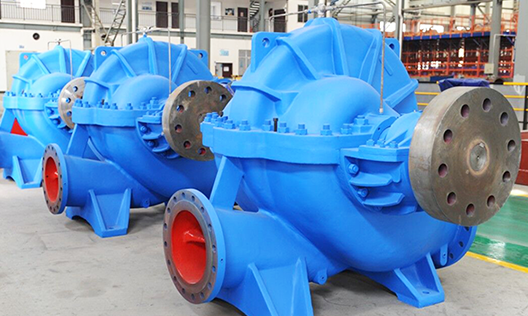
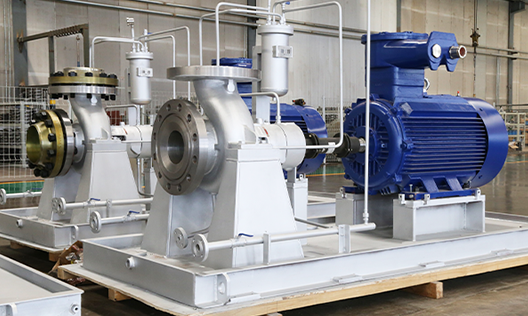
Puede fabricar 26 series de productos, incluyendo bombas de circulación para grandes centrales eléctricas, bombas de condensación para grandes centrales eléctricas, bombas petroquímicas, bombas multietapa, bombas de aguas residuales y lodo, bombas multietapa autoequilibradas, bombas de doble succión y única etapa tipo split, y bombas centrífugas de succión simple y única etapa.
-
Cases
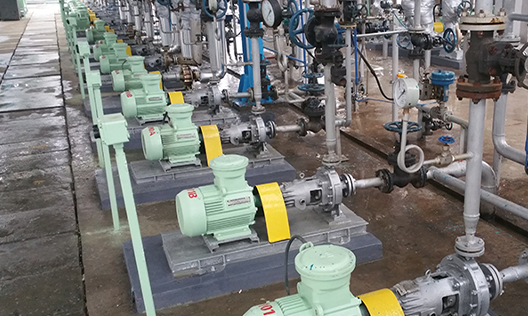
La elección de más de cientos de miles de clientes, cubriendo industrias como minería de carbón, metalurgia, química, energía, recursos hídricos, alimentos, municipalidades y protección ambiental, y exportando a Asia Sudeste, África, América y otros lugares.
-
Service
La empresa fue la primera en la industria en obtener las certificaciones internacionales del sistema de calidad ISO 9001:2008, del sistema de gestión ambiental ISO 14001 y del sistema de gestión de seguridad y salud ocupacional GB/T 28001, además de la certificación API 610 de la Asociación Estadounidense del Petróleo.
-
About us
La empresa, fundada en 1989, es una empresa nacional de alta tecnología integral que integra diseño, investigación y desarrollo, fabricación y servicios; actualmente es una empresa clave en la industria china de bombas centrífugas y una de las grandes fábricas especializadas.
-

Blogs
Con productos innovadores, calidad excepcional y servicios integrales, buscamos la verdad y la pragmática, avanzamos con iniciativa, y nos esforzamos por lograr el objetivo de ser "la marca líder en el campo de aplicación de bombas centrífugas en el país"! Raigada en Hunan, orientada a todo el país y hacia el mundo!
The Difference Between Long-Shaft Pumps and Submersible Pumps
Publication Date:
2025-09-19
Author:
Source:


Whether it's wastewater discharge from workshops, well water extraction in residential areas, or waste liquid treatment at chemical plants, many people get stuck when choosing between deep-well submersible pumps and long-shaft pumps. After all, both types are "pumps that extend downward"—so why does one model frequently break down, while the other not only performs reliably but also ends up consuming more electricity? Actually, it’s not that the pump quality is poor; rather, it’s because people haven’t fully understood the core differences between these two types. Today, we’ll explore these distinctions in detail, starting with insights from Changsha, the leading manufacturer of long-shaft pumps. China United Pump Industry Just explain clearly—in plain language—what a long-shaft pump and a submersible pump are. 3 A key difference to help you choose wisely and avoid pitfalls.
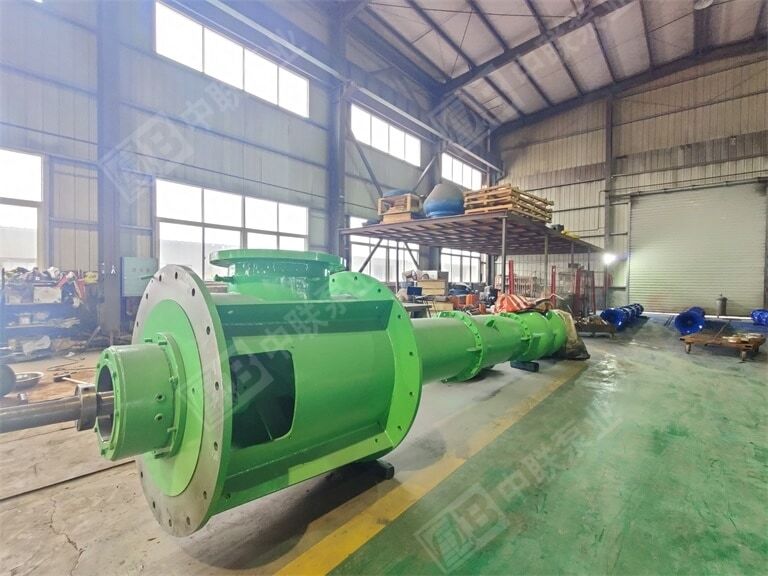
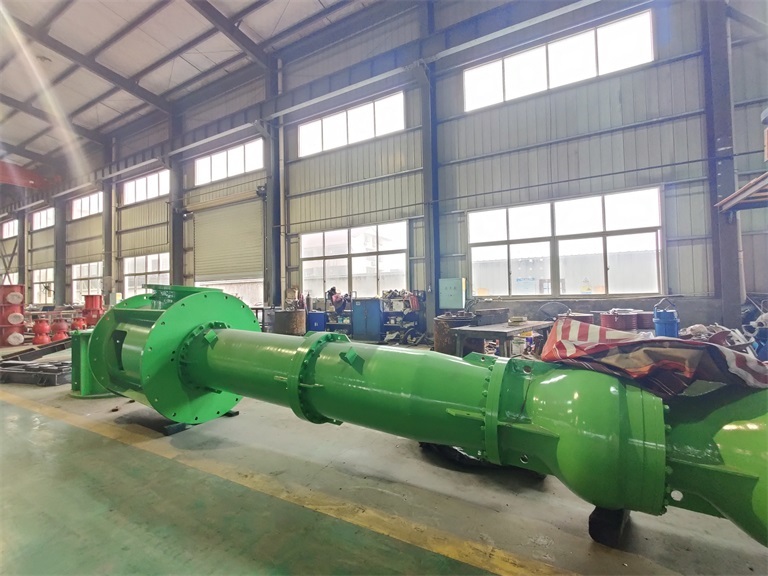
1 The key difference lies in the installation method. In a long-shaft pump, the motor is "suspended"—it’s mounted on a bracket positioned above the liquid surface, while the pump’s working section extends downward into the liquid via a long transmission shaft, much like "reaching into water to grab something." Throughout this process, the motor never comes into contact with the liquid. On the other hand, a submersible pump is designed to be "completely submerged," with the motor and pump body integrated as one unit, directly immersed in the liquid (or partially submerged, depending on the specific model). This eliminates the need for a long shaft altogether—simply place it into the tank during installation, saving valuable space for mounting brackets.
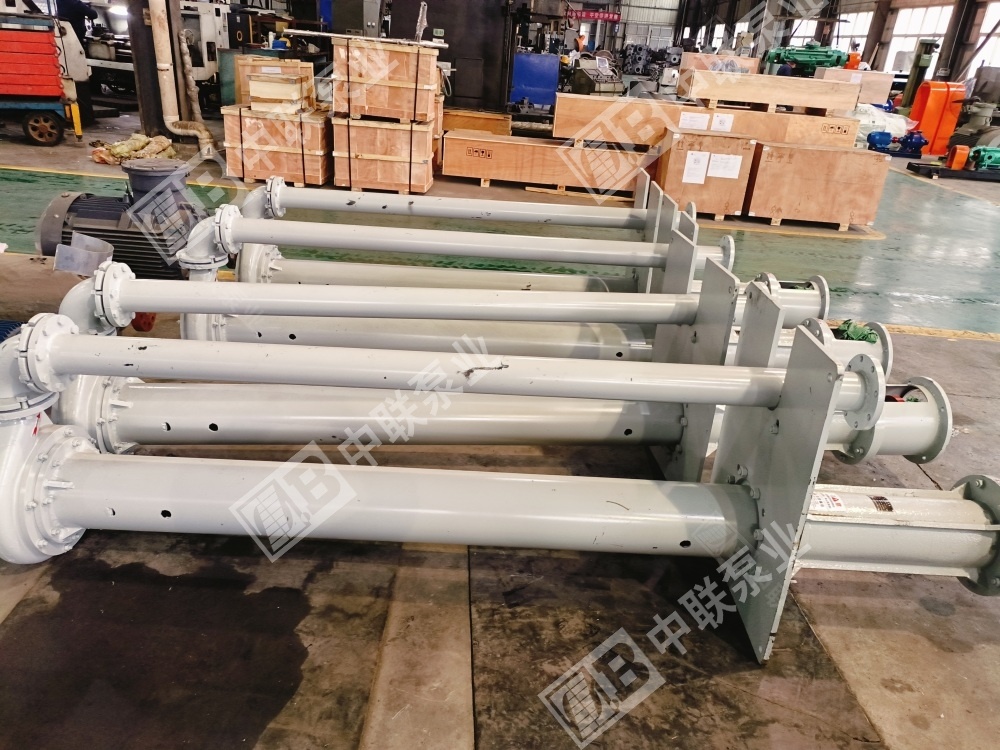
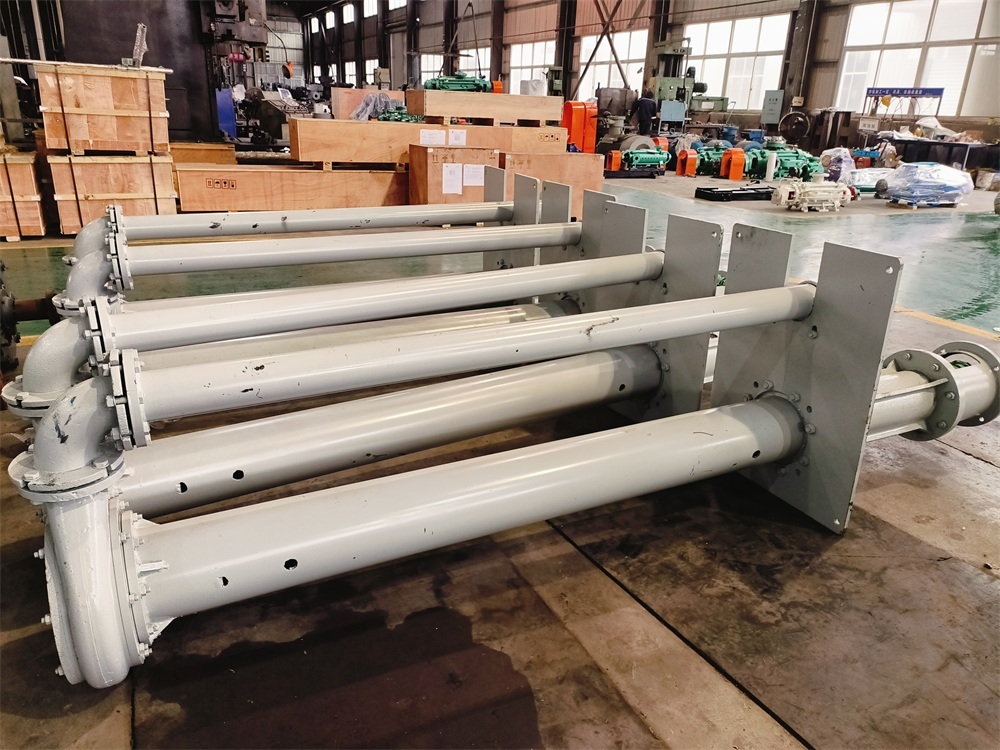
2 The maintenance process is significantly less troublesome. When maintaining a long-shaft pump, there’s no need to "work with the water"—the motor sits on top. If the shaft breaks or the seal leaks, you can simply remove the motor or replace the shaft directly, without having to drain the tank or even lift the entire pump out. However, submersible pumps are much more cumbersome: if repairs are needed, you first have to "fish" the entire pump out of the liquid. And if the tank contains highly corrosive acids or alkalis, you’ll need to neutralize the liquid first before using a crane to hoist the pump out. Just the disassembly and reassembly alone can take half a day, making the overall maintenance cost considerably higher compared to long-shaft pumps.
3 "– The head and energy consumption differ. Long-shaft pumps, thanks to their long-axis transmission design, can achieve very high heads—for example, they’re ideal for drawing water from wells tens of meters deep or supplying water to high-rise buildings. However, since the shaft rotates with friction, these pumps tend to consume slightly more energy. On the other hand, submersible pumps eliminate the friction associated with the long shaft altogether, making them more energy-efficient than long-shaft pumps. That said, their maximum head is typically limited to around ten-plus meters, making them better suited for shallow liquid applications—like pumping fluids in workshops." 3 A wastewater pond several meters deep is more energy-efficient when using a submersible pump.
Actually, choosing a pump doesn’t have to be complicated—just start by clearly answering these three questions: What kind of medium are you pumping? How high do you need the pump to lift it (head)? And finally, do you want hassle-free maintenance, or are you okay with a bit more effort down the road? Once you’ve sorted these three points, simply compare them against the differences mentioned earlier—you’ll hardly go wrong.
Recommended Information


Related Products
Perhaps you also want to know?
Zoomlian Pump Industry
Address:No. 210, Environmental Protection Middle Road, Yuhua Economic Development Zone, Changsha City, Hunan Province China
All rights reserved © Changsha Zoomlian Pump Co., Ltd.
This website supports IPv4 IPv6 bidirectional access
Website construction:Zhongqi Power Changsha