

-
Products
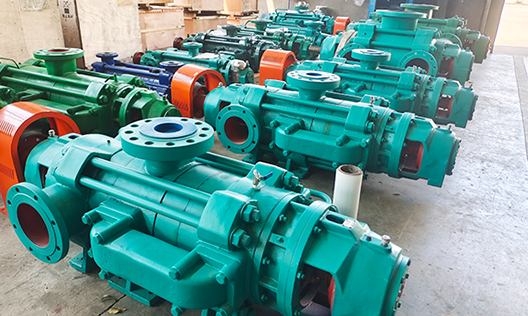
Puede fabricar 26 series de productos, incluyendo bombas de circulación para grandes centrales eléctricas, bombas de condensación para grandes centrales eléctricas, bombas petroquímicas, bombas multietapa, bombas de aguas residuales y lodo, bombas multietapa autoequilibradas, bombas de doble succión y única etapa tipo split, y bombas centrífugas de succión simple y única etapa.
-
Cases
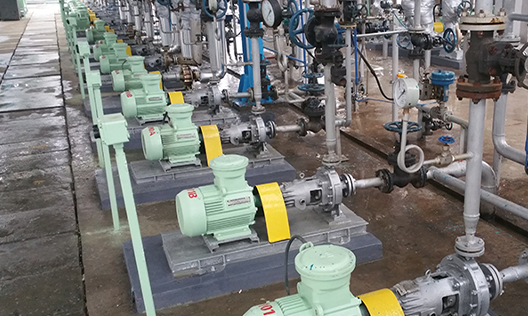
La elección de más de cientos de miles de clientes, cubriendo industrias como minería de carbón, metalurgia, química, energía, recursos hídricos, alimentos, municipalidades y protección ambiental, y exportando a Asia Sudeste, África, América y otros lugares.
-
Service
La empresa fue la primera en la industria en obtener las certificaciones internacionales del sistema de calidad ISO 9001:2008, del sistema de gestión ambiental ISO 14001 y del sistema de gestión de seguridad y salud ocupacional GB/T 28001, además de la certificación API 610 de la Asociación Estadounidense del Petróleo.
-
About us
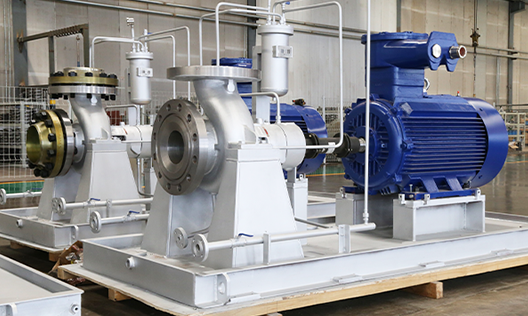
La empresa, fundada en 1989, es una empresa nacional de alta tecnología integral que integra diseño, investigación y desarrollo, fabricación y servicios; actualmente es una empresa clave en la industria china de bombas centrífugas y una de las grandes fábricas especializadas.
-

Blogs
Con productos innovadores, calidad excepcional y servicios integrales, buscamos la verdad y la pragmática, avanzamos con iniciativa, y nos esforzamos por lograr el objetivo de ser "la marca líder en el campo de aplicación de bombas centrífugas en el país"! Raigada en Hunan, orientada a todo el país y hacia el mundo!
Common types of water pumps used in steel plants
Publication Date:
2025-09-05
Author:
Source:


In the metallurgical industry, many types of pumps are commonly used. Since the entire smelting system involves a variety of liquids, it requires the application of several different pump types. Here, Zhonglian Pump Industry, a professional pump manufacturer, takes steel plants as an example to introduce the commonly used pump types in this sector.
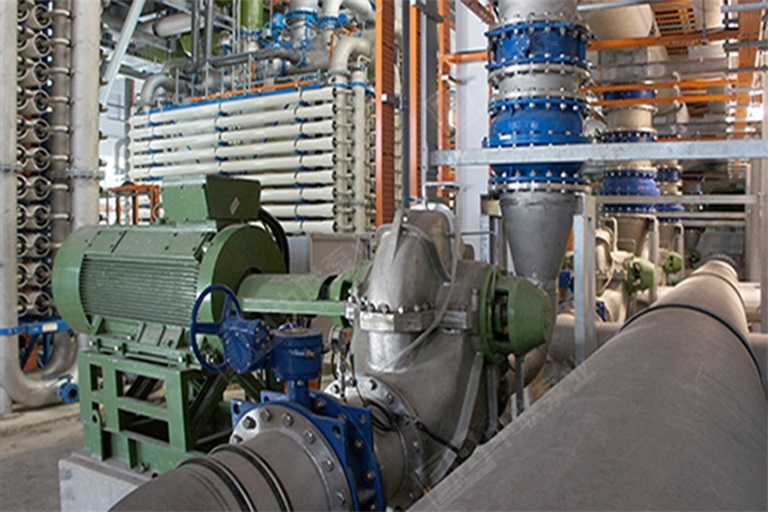
↑Click the image to learn more about Zhonglian Pump Industry's [centrifugal pump] product details and parameter information↑
Centrifugal pump It is a broad category of pumps that rely on centrifugal force to push fluids outward from the center. This category encompasses a wide range of pump types, capable of handling nearly any fluid—except for highly viscous liquids and gases, which are not suitable for transportation. As a result, they are far more commonly used in steel plant smelting systems than other pump types. Depending on specific requirements, these pumps are primarily employed in the following areas:
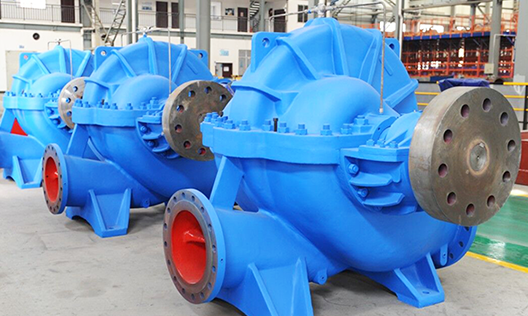
1. Cooling Water Circulation: Centrifugal pumps can be used to transport and recycle cooling water within a system. For instance, in the steel smelting process, cooling water is essential for temperature control. Centrifugal pumps are ideal for circulating and reusing this cooling water, ensuring the stability and efficiency of the smelting operation. Based on practical experience, the most commonly used cooling water circulation pumps are typically mid-open double-suction centrifugal pumps. These pumps boast a simple design, easy maintenance, long service life, a wide performance range, and excellent versatility. Common models of double-suction centrifugal pumps include: S-Type Double-Suction Pump with Axial Split 、 GS-Type High-Efficiency Double-Suction Pump (Same performance parameters but with higher efficiency and lower energy consumption), SF-type corrosion-resistant double-suction pump (primarily used as seawater circulation pumps), SA-Type Double-Open Impeller Pump , such as SH-type double-suction pumps—specific selections and configurations should be determined based on required parameters like flow rate and head.

↑Click the image to learn more about Zhonglian Pump Industry's [Centrifugal Pump with Double Suction and Split Casing]—view product details and parameter information!↑
2. Liquid Metal Transport: Centrifugal pumps can be used to convey liquid metals, such as molten cast iron, copper, tin, and zinc ores during the casting process.
3. Metallurgical Wastewater Treatment: The metallurgical process generates significant amounts of wastewater, which must be treated. Centrifugal pumps can be used to transfer the wastewater to treatment equipment or tanks for purification, filtration, and other processing steps. Common models of centrifugal sewage pumps include the QW submersible sewage pump and the LCM wear-resistant pump. Long-shaft pump (It's commonly used Vortex Well Lift Pump )、WFB-type non-sealed self-priming pumps are used in applications such as wastewater treatment and iron oxide scale water lifting.

↑Click the image to learn more about Zhonglian Pump Industry's [Vertical Long-Shaft Pumps]—including product details and parameter information↑
4. Pressure Filtration Process: During the pressure filtration process, a pump is used to deliver the slurry into the filter machine for separation of solids from liquids. After filtration is complete, a centrifugal pump can be employed to transfer the resulting filtrate to the next step for further processing. Single-stage centrifugal pumps are typically preferred based on the slurry’s physical and chemical properties as well as its performance specifications.
5. Blast Furnace System Spray Pumps: Multistage centrifugal pump Typically used for delivering blast furnace injection water, the blast furnace continuously injects gas inward to gradually increase the temperature. During this process, injection water plays a crucial role in cooling, helping maintain the stability of furnace operations. As such, the spray pump must meet specific requirements, including high flow rate and high head—features that multi-stage centrifugal pumps perfectly fulfill, making them ideally suited to meet the demands of the blast furnace water-injection system.

↑Click the image to learn more about Zhonglian Pump Industry's [Horizontal Multistage Centrifugal Pump]—view product details and parameter information here↑
6. To generate high-pressure steam, steel plants typically use boilers. A boiler is a type of heat exchanger that burns fuel to heat water, producing steam in the process. In steel plants, boilers are usually designed as either circulating fluidized-bed boilers or pulverized coal boilers, which utilize coal or other solid fuels to produce high-pressure steam, thereby meeting the energy demands of steel production. The equipment responsible for supplying deoxygenated water to the boiler is the boiler feedwater pump, and to handle the extreme conditions of high temperature and high pressure, a multi-stage boiler feedwater pump—commonly referred to as a multistage boiler feedwater pump—is employed. Multistage centrifugal pump One type of it.

↑Click the image to learn more about Zhonglian Pump Industry's [Multistage Boiler Feed Pump]—view product details and parameter information!↑
In addition to centrifugal pumps, the smelting system also utilizes several other pump types. Here are some water pumps that may be used in the smelting system:
1. Positive Displacement Pump: The positive displacement pump is primarily used to convey high-temperature, high-concentration molten slag and metal liquids, such as aluminum melt and copper melt.
2. Vacuum Pump: The vacuum pump is used to create a vacuum environment, such as in the aluminum smelting process, where it helps establish a low-pressure setting to remove gases from the molten aluminum.
3. Mixed-flow pump: Mixed-flow pumps can be used to convey clean water such as cooling water and circulating water, and are also suitable for handling industrial wastewater containing certain particulate matter.
4. Media Pumps: Media pumps are used to convey special liquids, such as those containing suspended particles of a certain concentration or corrosive media.
5. Steel Pump: Steel pumps are primarily used to convey molten steel, casting alloys, and other high-temperature melts.
6. Sludge Pump: The sludge pump is primarily used to convey media such as high-concentration wastewater or sludge.
The various types of pumps mentioned above can be applied to different processes within the smelting system. Here are some of the processes where these pumps might be used:
1. Slag Pump: When smelting metals such as steel, copper, and aluminum, a slag pump may be required to extract and transport the molten slag.
2. Vacuum Pump: During the aluminum smelting process, a vacuum pump is used to create a low-pressure environment, helping to remove gases from the molten aluminum.
3. Mixed-flow pump: Mixed-flow pumps are suitable for conveying both clean water and wastewater, and can be used in circulating cooling systems as well as for treating sewage containing certain particulate matter.
4. Media Pumps: Media pumps are suitable for conveying liquids containing solid particles or corrosive media, such as wastewater mixed with chemicals like acids, bases, and salts.
5. Steel Water Pump: During the steelmaking process, a steel water pump is used to remove slag, ensuring the purity of the molten steel.
6. Centrifugal Pumps: Centrifugal pumps are widely used for conveying various types of clean water and wastewater, including the transportation of starch sugar solutions, slurries, mineral liquids, and more.
7. Sludge Pump: In the process of metallurgical wastewater treatment, a sludge pump is used to transfer high-concentration wastewater or sludge to treatment equipment for processing.
In short, in the smelting system, Centrifugal pump Suitable for conveying and handling various liquids and suspended particulates, as well as circulating cooling water and more. By utilizing centrifugal pumps of different specifications, the system can meet diverse flow rate and head requirements, ensuring efficient, stable, and safe operations in smelting production.
Next:
Recommended Information


Related Products
Perhaps you also want to know?
Zoomlian Pump Industry
Address:No. 210, Environmental Protection Middle Road, Yuhua Economic Development Zone, Changsha City, Hunan Province China
All rights reserved © Changsha Zoomlian Pump Co., Ltd.
This website supports IPv4 IPv6 bidirectional access
Website construction:Zhongqi Power Changsha