

-
Products
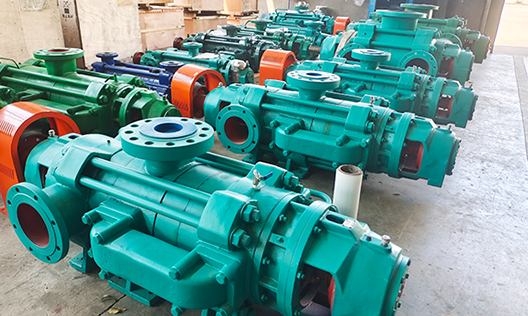
Puede fabricar 26 series de productos, incluyendo bombas de circulación para grandes centrales eléctricas, bombas de condensación para grandes centrales eléctricas, bombas petroquímicas, bombas multietapa, bombas de aguas residuales y lodo, bombas multietapa autoequilibradas, bombas de doble succión y única etapa tipo split, y bombas centrífugas de succión simple y única etapa.
-
Cases
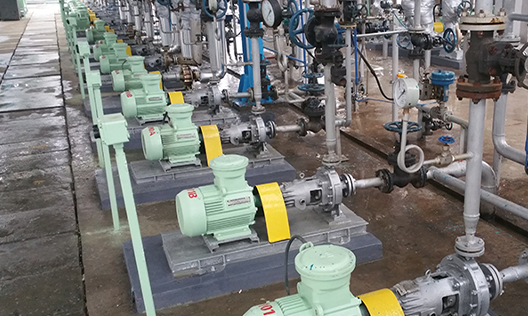
La elección de más de cientos de miles de clientes, cubriendo industrias como minería de carbón, metalurgia, química, energía, recursos hídricos, alimentos, municipalidades y protección ambiental, y exportando a Asia Sudeste, África, América y otros lugares.
-
Service
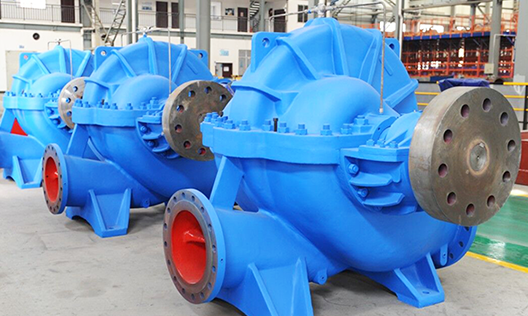
La empresa fue la primera en la industria en obtener las certificaciones internacionales del sistema de calidad ISO 9001:2008, del sistema de gestión ambiental ISO 14001 y del sistema de gestión de seguridad y salud ocupacional GB/T 28001, además de la certificación API 610 de la Asociación Estadounidense del Petróleo.
-
About us
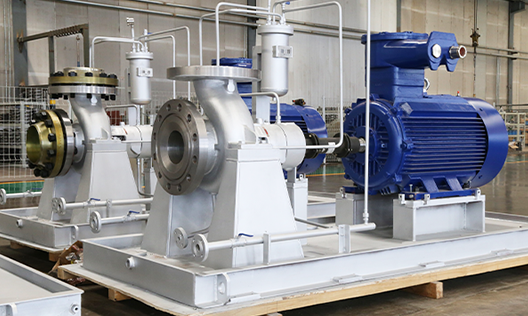
La empresa, fundada en 1989, es una empresa nacional de alta tecnología integral que integra diseño, investigación y desarrollo, fabricación y servicios; actualmente es una empresa clave en la industria china de bombas centrífugas y una de las grandes fábricas especializadas.
-

Blogs
Con productos innovadores, calidad excepcional y servicios integrales, buscamos la verdad y la pragmática, avanzamos con iniciativa, y nos esforzamos por lograr el objetivo de ser "la marca líder en el campo de aplicación de bombas centrífugas en el país"! Raigada en Hunan, orientada a todo el país y hacia el mundo!
Oilfield Water Injection Pump
Publication Date:
2025-08-28
Author:
Source:


Beneath the vast oil fields, crude oil does not continuously gush out on its own. As extraction proceeds, the formation pressure gradually decreases, like a slowly deflating balloon, unable to push the oil from deep underground to the wellhead. At this time, a powerful "heart" is needed — the oilfield water injection pump, which continuously injects "life-giving water" into the reservoir to maintain its production vitality. So, how exactly does the oilfield water injection pump work? What types and characteristics does it have? Today, the pump manufacturer Changsha Zhonglian Pump Industry will provide an in-depth introduction to this key equipment in oilfield development.
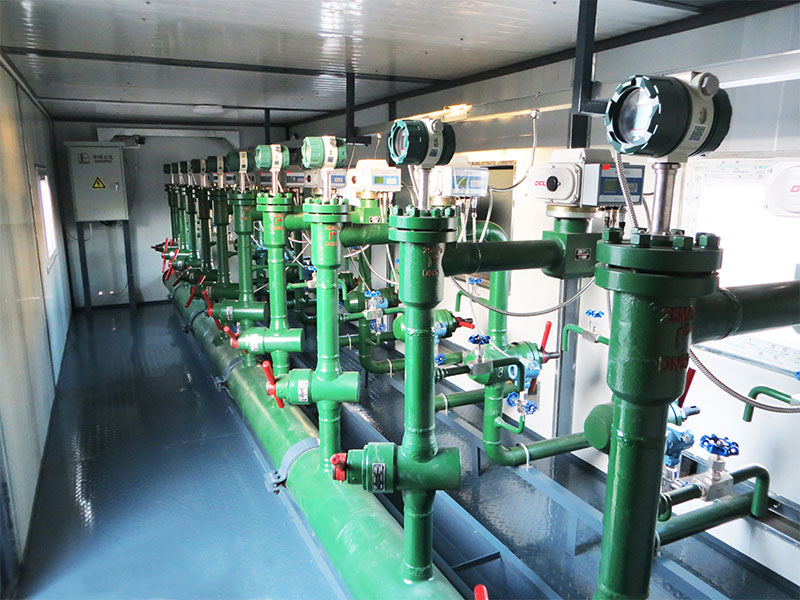
The core task of the oilfield water injection pump is to inject treated qualified water into designated oil layers under high pressure. This process sounds simple, but the requirements for the pump are very high. First, it needs to provide sufficiently high pressure to overcome the formation's own pressure and effectively "squeeze" the water in. Second, it must be able to continuously and stably deliver a large volume of water to ensure the continuity of water injection. According to different oilfield demands and working conditions, water injection pumps are mainly divided into two categories: centrifugal pumps and reciprocating pumps.
1. Centrifugal Pump: The "Hydroelectric Generator" with Large Flow
The working principle of the centrifugal pump is somewhat like a high-speed rotating impeller. When the impeller rotates, water is thrown out by centrifugal force, generating pressure. Multistage centrifugal pumps increase pressure step by step by connecting multiple impellers in series, achieving very high pressure and flow. The advantages of this type of pump are large flow, stable operation, relatively simple structure, and easier maintenance. They are usually used in water injection systems requiring large discharge volumes and relatively moderate pressure, such as early-stage high-pressure oilfields or for lifting water from the source to the injection station.
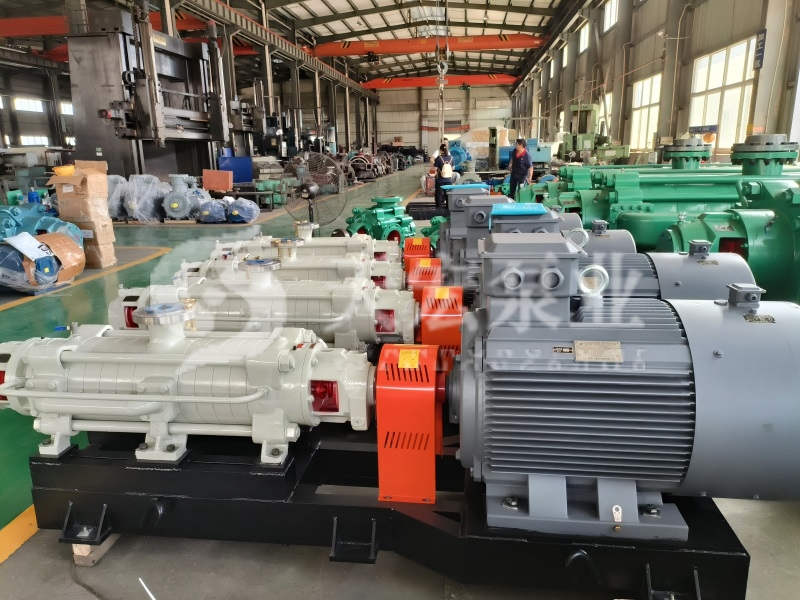
Please click the image to learn about Zhonglian Pump Industry's various 【Multistage Centrifugal Pump】 model parameters and product details.
2. Plunger Pump: The "Precision Piston" with High Pressure
The plunger pump is like the piston of an engine, using the reciprocating motion of the plunger inside the pump cylinder to suck in and discharge liquid. Its characteristic is the ability to generate very high pressure, making it very suitable for "hard-to-treat" reservoirs with high formation pressure and low permeability. Although the flow of a single pump may not be as large as that of a centrifugal pump, its pressure is stable, less affected by outlet pressure changes, and can precisely control the water injection volume. This type of pump has a relatively complex structure and requires higher manufacturing precision and maintenance.
In practical applications, these two types of pumps each have their own uses. For example, in water injection scenarios requiring large flow and medium to low pressure, multistage centrifugal pumps may be the first choice. In cases requiring ultra-high pressure and high precision in flow control, plunger pumps have more advantages. Sometimes, to balance large flow and high pressure, centrifugal pumps and plunger pumps are used in series or parallel.
Regardless of the type of water injection pump, selection needs to comprehensively consider the reservoir's geological conditions, water injection requirements, water quality characteristics, and economic factors. The reliable operation of the water injection pump directly affects the water injection effect and final recovery rate of the oilfield. Therefore, high requirements are placed on the pump's material selection (corrosion resistance, wear resistance), sealing performance, operational efficiency, and intelligent monitoring.
With technological development, modern oilfield water injection pumps are continuously upgraded. For example, the application of variable frequency speed regulation technology can flexibly adjust the pump's discharge and pressure according to actual water injection needs, achieving energy saving and consumption reduction; Intelligent Monitoring System can monitor the pump's operating parameters in real time, provide fault warnings and remote control, improving operational reliability and management efficiency.
Previous:
Next:
Recommended Information


Related Products
Perhaps you also want to know?
Zoomlian Pump Industry
Address:No. 210, Environmental Protection Middle Road, Yuhua Economic Development Zone, Changsha City, Hunan Province China
All rights reserved © Changsha Zoomlian Pump Co., Ltd.
This website supports IPv4 IPv6 bidirectional access
Website construction:Zhongqi Power Changsha