

-
Products
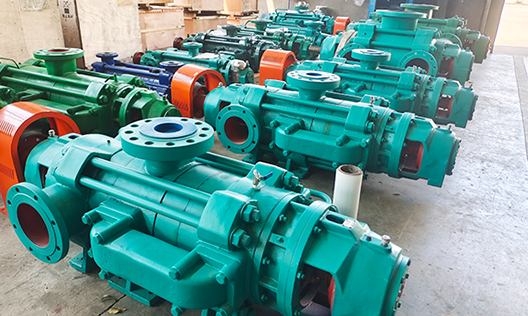
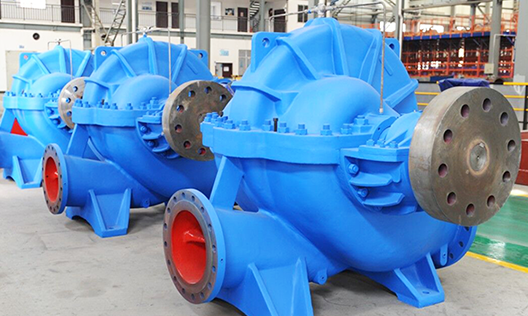
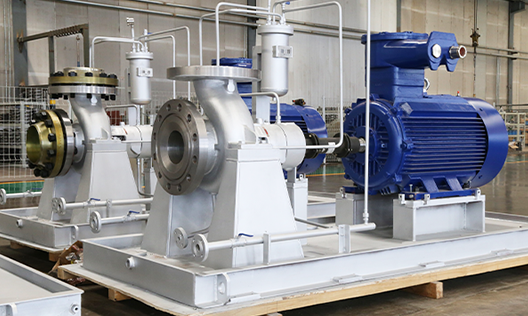
Puede fabricar 26 series de productos, incluyendo bombas de circulación para grandes centrales eléctricas, bombas de condensación para grandes centrales eléctricas, bombas petroquímicas, bombas multietapa, bombas de aguas residuales y lodo, bombas multietapa autoequilibradas, bombas de doble succión y única etapa tipo split, y bombas centrífugas de succión simple y única etapa.
-
Cases
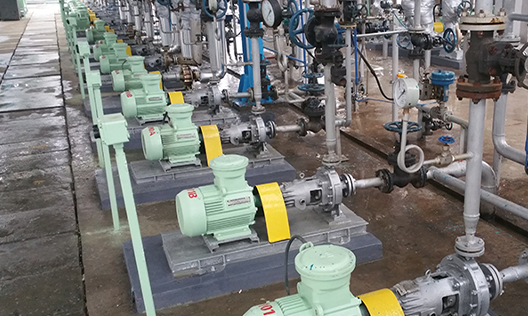
La elección de más de cientos de miles de clientes, cubriendo industrias como minería de carbón, metalurgia, química, energía, recursos hídricos, alimentos, municipalidades y protección ambiental, y exportando a Asia Sudeste, África, América y otros lugares.
-
Service
La empresa fue la primera en la industria en obtener las certificaciones internacionales del sistema de calidad ISO 9001:2008, del sistema de gestión ambiental ISO 14001 y del sistema de gestión de seguridad y salud ocupacional GB/T 28001, además de la certificación API 610 de la Asociación Estadounidense del Petróleo.
-
About us
La empresa, fundada en 1989, es una empresa nacional de alta tecnología integral que integra diseño, investigación y desarrollo, fabricación y servicios; actualmente es una empresa clave en la industria china de bombas centrífugas y una de las grandes fábricas especializadas.
-

Blogs
Con productos innovadores, calidad excepcional y servicios integrales, buscamos la verdad y la pragmática, avanzamos con iniciativa, y nos esforzamos por lograr el objetivo de ser "la marca líder en el campo de aplicación de bombas centrífugas en el país"! Raigada en Hunan, orientada a todo el país y hacia el mundo!
What kind of medium do chemical process pumps mainly transport?
Publication Date:
2025-06-19
Author:
Source:


Chemical Process Pump It is a pump model uniquely named among chemical pump types. What kind of materials are these chemical process pumps mainly used to transport?
From a professional perspective, the material selection for chemical process pumps is far more complex than ordinary pumps. Many users only pay attention to the medium during selection, neglecting the equally critical temperature and pressure. As the "heart" of the chemical production line, the material choice of chemical process pumps directly depends on the chemical properties, temperature, pressure, particulate content, and cleanliness requirements of the transported medium. The core principle is to resist corrosion, wear, and ensure safety and long service life.
We can understand what materials chemical process pumps can transport from the following aspects, or in other words, how to select pump models based on the medium?
If you are transporting the following types of media, you can choose the pump body material according to the nature of the medium.
Metal Materials (Corrosion Resistant / High Temperature and Pressure Resistant)
Austenitic Stainless Steel (Mainstream Choice)
304/304L: Transports mildly corrosive media (room temperature dilute sulfuric acid, organic solvents), cost-effective.
316/316L (with molybdenum): Resistant to moderate corrosion (phosphoric acid, acetic acid, seawater), most commonly used in chemical industry.
904L/254SMO (Super Austenitic): Resistant to strong acids (concentrated sulfuric acid), chloride-containing media (such as brine).
Applicable scenarios: Acid/alkaline liquids, organic solvents, process water transportation.
Duplex Stainless Steel (Strength + Corrosion Resistance)
2205 (S31803): Resistant to chloride stress corrosion, used for chloride-containing media (seawater, bleach solution).
2507 (S32750): Superior pitting resistance compared to 316L, suitable for high-temperature chloride environments (such as desulfurization systems).
Advantages: Strength is twice that of 316L, allowing thinner pump walls to reduce costs.
Nickel-Based Alloys (Extreme Corrosion Resistance)
Hastelloy C276 (Ni-Mo-Cr): Universal corrosion resistance, resistant to boiling hydrochloric acid, mixed acids (nitric acid + hydrofluoric acid).
Monel 400 (Ni-Cu): Resistant to hydrofluoric acid, high-temperature alkaline liquids (such as caustic soda evaporation section).
Inconel 625 (Ni-Cr): Resistant to high-temperature oxidation (flue gas desulfurization).
Scenarios: Strong acids (hydrochloric acid, hydrofluoric acid), high-temperature and high-concentration alkaline liquids.
Titanium and Titanium Alloys
Gr.2 (Industrial Pure Titanium): Resistant to seawater, wet chlorine gas, sodium hypochlorite (core material in chlor-alkali industry).
Gr.5 (Ti-6Al-4V): High strength and corrosion resistance, used in aerospace-grade chemical pumps.
Lined Pumps (Metal Shell + Non-Metallic Liner)
Fluoroplastic Lining (FEP/PTFE/PFA):
Resistant to strong acids/alkalis: Concentrated sulfuric acid, hydrofluoric acid, aqua regia (feed pumps for reactors).
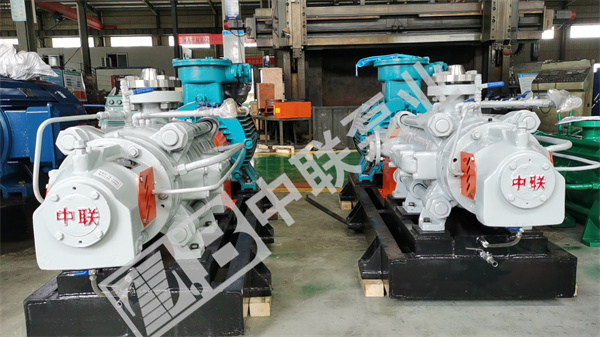
[For more information on DF type multistage chemical pumps including models, parameters, selection, and quotation plans, please click the image above]
Disadvantages: Poor resistance to negative pressure difference and wear.
Non-Metallic Materials (Strong Corrosion Resistance / High Cleanliness)
Rubber Lining (Natural Rubber / Butyl Rubber): Resistant to abrasive slurries (mining acid leaching pumps).
All-Plastic Pumps (Light Corrosion / Clean Media)
PP (Polypropylene): Acid/alkaline liquids ≤80°C (wastewater treatment dosing pumps).
PVDF (Polyvinylidene Fluoride): Resistant to solvents (acetone, toluene), high-purity chemical liquids (semiconductor industry).
Ceramic Pumps (Super Wear-Resistant / Ultra-High Purity)
Alumina / Silicon Carbide Ceramics:
Resistant to particle wear (slurries with solid content ≤30%, such as titanium dioxide transport).
Zero metal contamination (lithium battery materials, electronic-grade chemical transport pumps).
Of course, the corrosion resistance of the same medium can vary greatly under different concentrations/temperatures (e.g., carbon steel for 80% sulfuric acid, 316L for 30% sulfuric acid). Material selection must be based on actual site conditions.
Latest News
Related Products
Perhaps you also want to know?
Zoomlian Pump Industry
Address:No. 210, Environmental Protection Middle Road, Yuhua Economic Development Zone, Changsha City, Hunan Province China
All rights reserved © Changsha Zoomlian Pump Co., Ltd.
This website supports IPv4 IPv6 bidirectional access
Website construction:Zhongqi Power Changsha