

-
Products
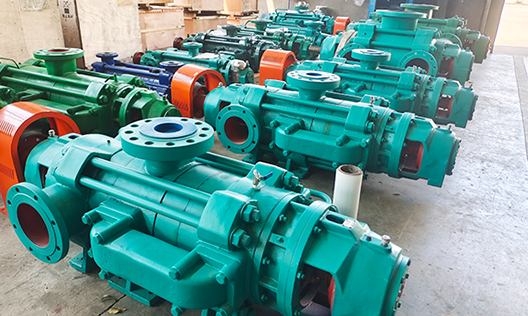
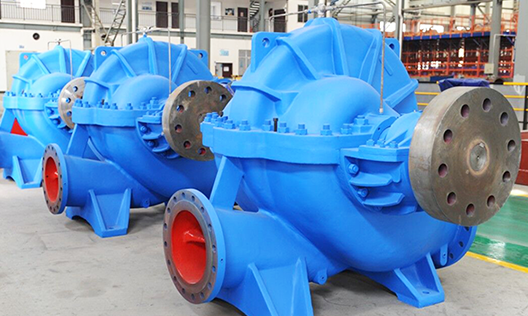
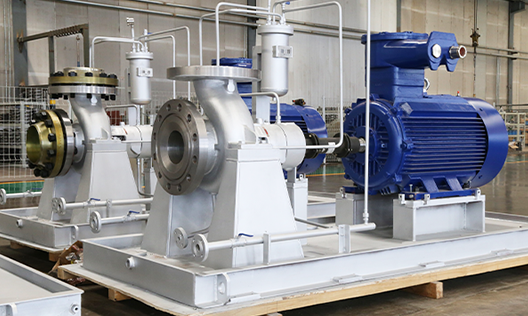
Puede fabricar 26 series de productos, incluyendo bombas de circulación para grandes centrales eléctricas, bombas de condensación para grandes centrales eléctricas, bombas petroquímicas, bombas multietapa, bombas de aguas residuales y lodo, bombas multietapa autoequilibradas, bombas de doble succión y única etapa tipo split, y bombas centrífugas de succión simple y única etapa.
-
Cases
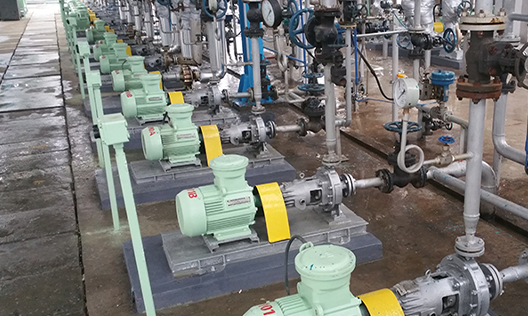
La elección de más de cientos de miles de clientes, cubriendo industrias como minería de carbón, metalurgia, química, energía, recursos hídricos, alimentos, municipalidades y protección ambiental, y exportando a Asia Sudeste, África, América y otros lugares.
-
Service
La empresa fue la primera en la industria en obtener las certificaciones internacionales del sistema de calidad ISO 9001:2008, del sistema de gestión ambiental ISO 14001 y del sistema de gestión de seguridad y salud ocupacional GB/T 28001, además de la certificación API 610 de la Asociación Estadounidense del Petróleo.
-
About us
La empresa, fundada en 1989, es una empresa nacional de alta tecnología integral que integra diseño, investigación y desarrollo, fabricación y servicios; actualmente es una empresa clave en la industria china de bombas centrífugas y una de las grandes fábricas especializadas.
-
Blogs
Con productos innovadores, calidad excepcional y servicios integrales, buscamos la verdad y la pragmática, avanzamos con iniciativa, y nos esforzamos por lograr el objetivo de ser "la marca líder en el campo de aplicación de bombas centrífugas en el país"! Raigada en Hunan, orientada a todo el país y hacia el mundo!
Practical Procedures for Priming and Bleeding Air from a Wear-Resistant Multistage Centrifugal Pump Prior to Startup in Coal Mines (Specifically for Main Drainage Systems)
Publication Date:
2026-04-14
Author:
Source:


The wear-resistant multistage centrifugal pump for underground coal mines is the core equipment of the main drainage system. The priming and air-venting procedures performed prior to startup directly determine whether the pump unit can reliably draw in water, and they are also critical operational and maintenance steps for preventing cavitation damage, excessive vibration, and dry-running wear. In view of the special operating conditions in underground coal mines—namely, explosion-proof requirements, deep head, and handling of particle-laden media—this paper presents, based on practical experience from the field, a straightforward, on-site method for priming and venting wear-resistant multistage centrifugal pumps used in coal mining, tailored to the real-world operational needs of mine pumps.

I. On-site Preparations Prior to Pump Priming and Air Venting
Prior to operation, complete the basic inspection to eliminate safety and equipment hazards: disconnect the power supply to the pump unit and affix a warning tag; close the inlet and outlet control valves; drain any residual water from the pump chamber and piping; inspect the vent valve, filling port, and sealing components for damage or blockage; and verify that the mine pump’s associated piping and explosion-proof components are intact and free of obstructions.
II. Three Common Pump-Filling and Venting Methods at Coal Mine Sites
1. Manual Water Filling and Air Venting Method (for Small Auxiliary Pumps/Shallow Well Applications)
Open the vent plug at the top of the pump casing and the dedicated water-filling port, then fill the pump chamber and the suction pipeline with clean water. Continuously monitor the water discharge from the vent until it flows steadily and uniformly, with no intermittent bubbling; at that point, close the vent valve and the water-filling port. This method requires no additional equipment, is simple to operate, and is suitable for wear-resistant multistage centrifugal pumps used in underground wells with low power and short piping.
2. Water-ring vacuum pump for vacuum extraction (standard equipment for the main drainage pump)
High-power, wear-resistant multistage pumps used for main underground drainage typically employ liquid-ring vacuum pumps to achieve vacuum and vent air. The vacuum pump piping is connected to the pump casing’s vent port, and the vacuum pump is started to evacuate the air from the pump chamber and the suction pipeline, thereby creating a negative pressure that allows water to be automatically drawn into the pump. Once continuous water discharge is observed at the vent port, the vacuum pump is shut down, completing the venting process. This method ensures thorough venting and high efficiency, making it well suited for coal mine main drainage applications involving deep head and long pipeline lengths.
3. Pre-installed submersible pump for assisted priming (specifically designed for deep-suction mine shafts)
For underground drainage applications involving low liquid levels and deep suction lifts, a submersible booster pump can be used to facilitate priming. First, start the small submersible pump located at the well bottom to fill the multistage pump’s suction pipe and pump casing with water, quickly expelling any trapped air. Once the pump casing is fully primed, then start the main wear-resistant multistage pump. This eliminates the need for repeated manual priming operations, making it ideal for field and underground settings where convenient priming facilities are unavailable.
III. Acceptance Criteria for Pump Priming and Air Venting
The discharge port shall continuously discharge water without bubbles and without interruption; manual turning of the shaft shall be smooth, with no jamming or abnormal resistance; and there shall be no residual air in the pump chamber or suction pipe, eliminating the risk of air binding. Once these conditions are met, the pump unit may be started.
IV. Key Considerations for Pump Priming and Air Venting in Mining Pumps
It is strictly prohibited to run the pump dry without priming, as this can cause dry-running damage to the wear-resistant impeller and mechanical seal. Priming must be done with clean water; mixing in particles such as coal gangue or rock powder is forbidden to prevent blockage of the pump casing flow passages. Complete venting is essential, as trapped air can lead to cavitation and reduce the service life of the pump.
Proper priming and venting of the pump can significantly reduce the failure rate of wear-resistant multistage centrifugal pumps in coal mines, thereby ensuring the continuous and stable operation of the underground drainage system.
Previous:
Recommended Information


Related Products
Perhaps you also want to know?
Zoomlian Pump Industry
Address:No. 210, Environmental Protection Middle Road, Yuhua Economic Development Zone, Changsha City, Hunan Province China
All rights reserved © Changsha Zoomlian Pump Co., Ltd.
This website supports IPv4 IPv6 bidirectional access
Website construction:Zhongqi Power Changsha