

-
Products
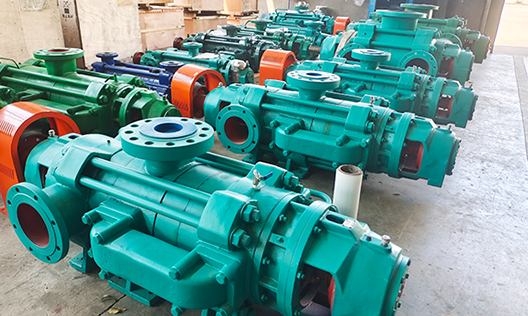
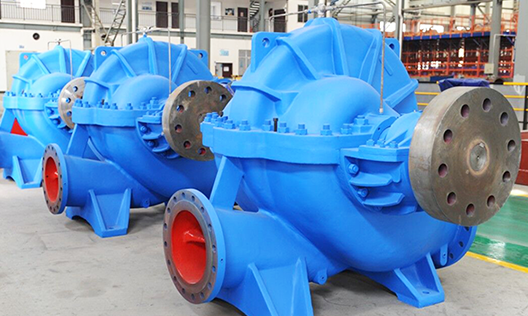
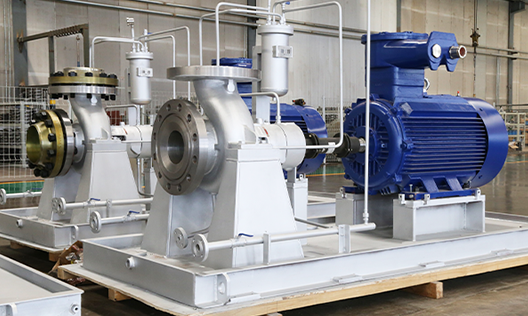
Puede fabricar 26 series de productos, incluyendo bombas de circulación para grandes centrales eléctricas, bombas de condensación para grandes centrales eléctricas, bombas petroquímicas, bombas multietapa, bombas de aguas residuales y lodo, bombas multietapa autoequilibradas, bombas de doble succión y única etapa tipo split, y bombas centrífugas de succión simple y única etapa.
-
Cases
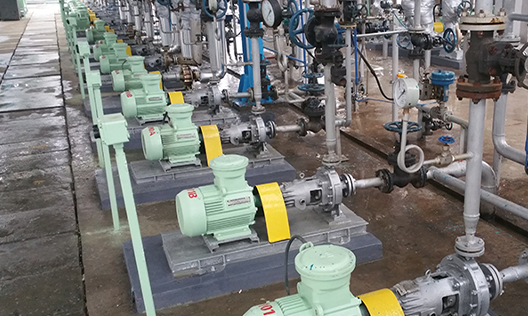
La elección de más de cientos de miles de clientes, cubriendo industrias como minería de carbón, metalurgia, química, energía, recursos hídricos, alimentos, municipalidades y protección ambiental, y exportando a Asia Sudeste, África, América y otros lugares.
-
Service
La empresa fue la primera en la industria en obtener las certificaciones internacionales del sistema de calidad ISO 9001:2008, del sistema de gestión ambiental ISO 14001 y del sistema de gestión de seguridad y salud ocupacional GB/T 28001, además de la certificación API 610 de la Asociación Estadounidense del Petróleo.
-
About us
La empresa, fundada en 1989, es una empresa nacional de alta tecnología integral que integra diseño, investigación y desarrollo, fabricación y servicios; actualmente es una empresa clave en la industria china de bombas centrífugas y una de las grandes fábricas especializadas.
-

Blogs
Con productos innovadores, calidad excepcional y servicios integrales, buscamos la verdad y la pragmática, avanzamos con iniciativa, y nos esforzamos por lograr el objetivo de ser "la marca líder en el campo de aplicación de bombas centrífugas en el país"! Raigada en Hunan, orientada a todo el país y hacia el mundo!
The Future of Fluid Handling: Innovations in Advanced Pipeline Pumps
Publication Date:
2026-04-17
Author:
Source:


The Future of Fluid Handling: Innovations in Advanced Pipeline Pumps
In the realm of industrial equipment and components, the significance of fluid handling cannot be overstated. As industries evolve, so does the push for more efficient and reliable fluid transportation systems. Advanced pipeline pumps are at the forefront of this evolution, driving innovations that promise to enhance performance and sustainability. This article will explore these innovations and their implications for the future of fluid handling.
Table of Contents
- Understanding Pipeline Pumps
- Key Innovations in Pipeline Pump Design
- The Role of Smart Technology in Fluid Handling
- Sustainability in Pipeline Pump Technology
- Industry Applications of Advanced Pipeline Pumps
- Challenges in Modern Fluid Handling Systems
- Future Trends in Pipeline Pump Development
- Conclusion
- FAQs
Understanding Pipeline Pumps
Pipeline pumps serve as the heart of fluid transportation systems, playing a crucial role in various industries including oil and gas, water supply, and chemical processing. These pumps are designed to move fluids through pipelines efficiently, ensuring that the right amount of liquid reaches its destination effectively.
Different types of pipeline pumps are available, such as centrifugal pumps, positive displacement pumps, and submersible pumps, each serving specific applications based on fluid properties and operational requirements. The choice of pump type directly affects energy consumption, maintenance needs, and overall system reliability.
Key Innovations in Pipeline Pump Design
Recent advancements in pipeline pump technology focus on improving efficiency and reducing operational costs. Innovative designs and materials have emerged, leading to enhanced performance. **Key innovations include:**
1. Enhanced Materials
The use of advanced materials, such as composite materials and corrosion-resistant alloys, has significantly improved the durability and lifespan of pipeline pumps. These materials not only withstand harsh operating conditions but also reduce the weight of the pumps, making installation and maintenance easier.
2. Advanced Impeller Designs
Modern pipeline pumps feature state-of-the-art impeller designs that optimize fluid flow. Variable geometry impellers allow for better handling of different fluid viscosities, enhancing the pump's ability to perform in fluctuating operational conditions.
3. Integrated Vibration Monitoring Systems
Incorporating vibration monitoring systems ensures real-time performance tracking of pipeline pumps. These systems allow for predictive maintenance, identifying potential issues before they lead to pump failure. This innovation reduces downtime and maintenance costs significantly.
The Role of Smart Technology in Fluid Handling
The integration of smart technology into pipeline pumps has transformed fluid handling systems. **Smart pumps** equipped with IoT (Internet of Things) capabilities enable remote monitoring and control, leading to improved operational efficiency.
1. Data-Driven Decision Making
With the ability to collect and analyze data, operators can make informed decisions regarding pump performance and maintenance schedules. This data-driven approach minimizes operational disruptions and optimizes resource allocation.
2. Automation in Pump Operations
Automated pumping systems reduce the need for manual intervention, ensuring consistent performance. Automation can also adjust pump operations based on real-time data, adapting to varying flow requirements and enhancing energy efficiency.
Sustainability in Pipeline Pump Technology
As industries increasingly focus on sustainability, pipeline pump technology has followed suit. Innovations are aimed at reducing energy consumption and minimizing environmental impact.
1. Energy-Efficient Designs
New pipeline pumps are designed to operate at higher efficiency levels, reducing energy consumption. Energy-efficient motors and optimized hydraulic designs contribute to lower operational costs and a smaller carbon footprint.
2. Environmentally Friendly Materials
The shift towards sustainable materials in pump manufacturing not only enhances performance but also aligns with global environmental goals. Using recyclable and non-toxic materials ensures that pipeline pumps have a lesser impact on the environment.
Industry Applications of Advanced Pipeline Pumps
Advanced pipeline pumps are revolutionizing fluid handling across various industries. Some notable applications include:
1. Oil and Gas Industry
In the oil and gas sector, pipeline pumps facilitate the transportation of crude oil and natural gas over long distances. Innovations in pump technology ensure that these fluids are transported safely and efficiently, minimizing loss and environmental risks.
2. Water and Wastewater Management
Effective fluid handling in water and wastewater management relies heavily on advanced pipeline pumps. These pumps help in the efficient movement of clean and treated water, contributing to sustainable water management practices.
3. Chemical Processing
In chemical processing, the ability to handle corrosive and viscous fluids is paramount. Advanced pipeline pumps are designed specifically to cater to these requirements, ensuring safe and efficient operation in demanding environments.
Challenges in Modern Fluid Handling Systems
Despite the advancements, the fluid handling industry faces several challenges that need to be addressed for optimal performance and reliability.
1. Aging Infrastructure
Many existing pipeline systems are outdated, leading to inefficiencies and higher maintenance costs. Upgrading these systems with advanced pipeline pumps is essential for improving overall performance.
2. Regulatory Compliance
Adhering to stringent regulations regarding environmental impact and operational safety presents challenges. Advanced pump systems must incorporate features that comply with these regulations while maintaining efficiency.
Future Trends in Pipeline Pump Development
The future of pipeline pumps is bright, with several trends shaping their development.
1. Increased Customization
As industries have unique fluid handling needs, the demand for customized pump solutions is growing. Manufacturers are likely to focus on developing tailored solutions that meet specific application requirements.
2. Integration of Artificial Intelligence
The integration of artificial intelligence into pipeline pumps will enhance predictive maintenance capabilities and operational efficiency. AI can analyze patterns in data, enabling proactive decision-making and optimizing pump performance.
3. Focus on Circular Economy Practices
The push towards sustainable practices will lead to innovations aimed at promoting a circular economy. Manufacturers will prioritize recycling and reusing materials in the production of pipeline pumps, aligning with global sustainability goals.
Conclusion
The future of fluid handling through advanced pipeline pumps is promising, driven by innovations that enhance efficiency, sustainability, and reliability. As industries evolve, the adoption of smart technology and environmentally friendly practices will shape the design and operation of pipeline pumps. Staying ahead of these trends is crucial for businesses aiming to optimize their fluid handling systems and reduce operational costs. By embracing these advancements, industries can ensure a more sustainable and efficient future in fluid transportation.
FAQs
1. What are advanced pipeline pumps?
Advanced pipeline pumps are specialized pumps designed to efficiently transport fluids through pipelines, incorporating innovative technologies to enhance performance, reliability, and sustainability.
2. How do smart technologies improve pipeline pumps?
Smart technologies enable real-time monitoring and automation of pipeline pumps, leading to improved efficiency, reduced downtime, and informed decision-making based on data analysis.
3. What industries benefit from advanced pipeline pumps?
Industries such as oil and gas, water and wastewater management, and chemical processing benefit significantly from the innovations in advanced pipeline pumps.
4. How can businesses ensure the sustainability of their fluid handling systems?
Businesses can ensure sustainability by adopting energy-efficient pump designs, using environmentally friendly materials, and implementing practices that promote a circular economy.
5. What are the main challenges in modern fluid handling systems?
Challenges include aging infrastructure, regulatory compliance, and the need for innovative solutions to meet evolving industry demands.
By understanding these advancements and trends, stakeholders can make informed decisions that will lead to greater efficiency and sustainability in fluid handling systems.
Previous:
Recommended Information



Related Products
Perhaps you also want to know?
Zoomlian Pump Industry
Address:No. 210, Environmental Protection Middle Road, Yuhua Economic Development Zone, Changsha City, Hunan Province China
All rights reserved © Changsha Zoomlian Pump Co., Ltd.
This website supports IPv4 IPv6 bidirectional access
Website construction:Zhongqi Power Changsha