

-
Products
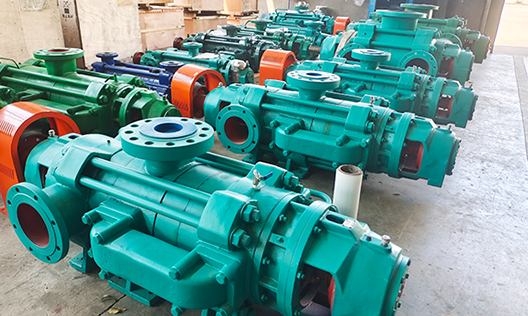
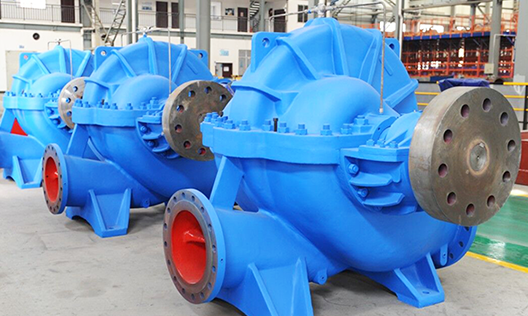
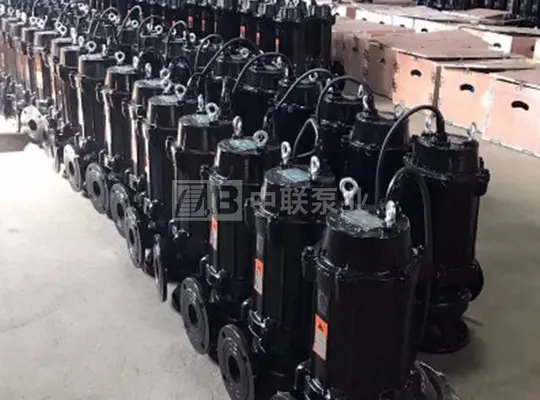
Puede fabricar 26 series de productos, incluyendo bombas de circulación para grandes centrales eléctricas, bombas de condensación para grandes centrales eléctricas, bombas petroquímicas, bombas multietapa, bombas de aguas residuales y lodo, bombas multietapa autoequilibradas, bombas de doble succión y única etapa tipo split, y bombas centrífugas de succión simple y única etapa.
-
Cases
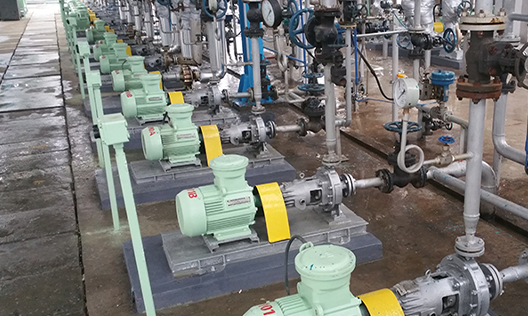
La elección de más de cientos de miles de clientes, cubriendo industrias como minería de carbón, metalurgia, química, energía, recursos hídricos, alimentos, municipalidades y protección ambiental, y exportando a Asia Sudeste, África, América y otros lugares.
-
Service
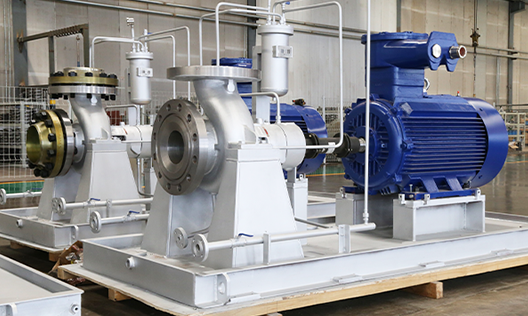
La empresa fue la primera en la industria en obtener las certificaciones internacionales del sistema de calidad ISO 9001:2008, del sistema de gestión ambiental ISO 14001 y del sistema de gestión de seguridad y salud ocupacional GB/T 28001, además de la certificación API 610 de la Asociación Estadounidense del Petróleo.
-
About us
La empresa, fundada en 1989, es una empresa nacional de alta tecnología integral que integra diseño, investigación y desarrollo, fabricación y servicios; actualmente es una empresa clave en la industria china de bombas centrífugas y una de las grandes fábricas especializadas.
-

Blogs
Con productos innovadores, calidad excepcional y servicios integrales, buscamos la verdad y la pragmática, avanzamos con iniciativa, y nos esforzamos por lograr el objetivo de ser "la marca líder en el campo de aplicación de bombas centrífugas en el país"! Raigada en Hunan, orientada a todo el país y hacia el mundo!
Technical Analysis of the Causes Behind Insufficient Head in High-Efficiency, Energy-Saving Multistage Pumps
Publication Date:
2026-07-09
Author:
Source:


Changsha Zoomlion Pump Industry’s high-efficiency, energy-saving multistage pumps are widely used in water conservancy, power generation, chemical processing, and other sectors; however, during actual operation, they often fail to achieve their designed head. The following analysis examines the root causes from a technical perspective: 1. **Design Parameter Mismatch** The primary issue lies in the misalignment between the pump’s design parameters—such as the number of stages, rated flow, and rotational speed—and the actual operating conditions. If the medium characteristics and system resistance are not thoroughly assessed, the theoretical head may deviate significantly from the measured operational head. For instance, when handling high-viscosity fluids, insufficient margin in the design flow rate can lead to a substantial drop in head. 2. **Impact of Medium Properties** Physical properties such as density, viscosity, and solid content directly affect the pump’s energy output. As medium viscosity increases—for example, with heavy oils or highly concentrated slurries—the impeller’s efficiency declines, hydraulic losses rise, and the measured head falls well below the design value. Additionally, changes in the medium’s corrosivity can cause cavitation in wetted components, further degrading pump performance. 3. **Operating Environment and System Compatibility** - **Environmental Fluctuations:** In high-temperature environments, thermal expansion and contraction of pump materials may enlarge impeller clearances or deform shaft assemblies, reducing volumetric efficiency. At high altitudes, variations in atmospheric pressure can lower inlet pressure, indirectly diminishing effective head. - **Piping System Deficiencies:** Poor piping layouts—such as excessively long runs, excessive bends, mismatched pipe diameters (e.g., undersized sections), or partially closed valves—generate additional frictional and local losses, causing total system head loss to exceed design limits. Leakage at joints or connections also directly reduces effective delivery head. 4. **Equipment Deterioration and Lack of Maintenance** Over time, mechanical wear—including impeller erosion, blade cavitation, and bearing clearance exceeding allowable limits—diminishes pump efficiency. In particular, wear of interstage sealing rings in multistage pumps leads to increased interstage recirculation, resulting in significant head loss. Failure to perform routine maintenance tasks, such as impeller dynamic balancing and seal replacement, accelerates performance degradation. 5. **Improper Installation and Commissioning** - **Installation Errors:** If the pump is installed at a height exceeding the allowable net positive suction head (NPSH), cavitation may occur. Misalignment of the foundation can cause shaft misalignment and uneven wear, reducing volumetric efficiency. - **Commissioning Issues:** Failure to fully vent air from the pump during initial startup, or incorrect parameter settings—such as uncalibrated frequency or rotational speed—can push the pump into operating conditions far from its design point, preventing it from achieving the expected head. Changsha Zoomlion Pump Industry recommends addressing these issues through the following steps: ① verify the compatibility of design parameters with actual operating conditions; ② assess medium properties and system resistance; ③ evaluate the extent of equipment deterioration; and ④ optimize piping system design. By implementing comprehensive lifecycle management, multistage pumps can operate efficiently and reliably, helping to achieve energy‑saving objectives.
Previous:
Recommended Information



Related Products
Perhaps you also want to know?
Zoomlian Pump Industry
Address:No. 210, Environmental Protection Middle Road, Yuhua Economic Development Zone, Changsha City, Hunan Province China
All rights reserved © Changsha Zoomlian Pump Co., Ltd.
This website supports IPv4 IPv6 bidirectional access
Website construction:Zhongqi Power Changsha