

-
Products
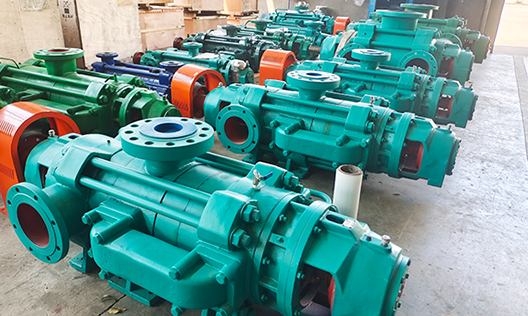
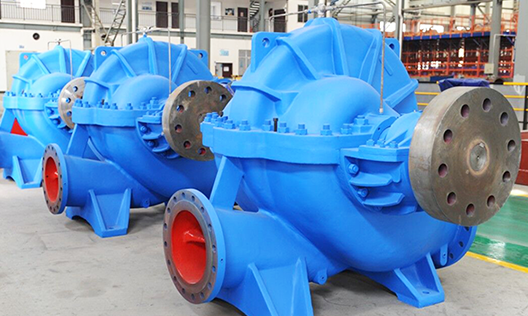
Puede fabricar 26 series de productos, incluyendo bombas de circulación para grandes centrales eléctricas, bombas de condensación para grandes centrales eléctricas, bombas petroquímicas, bombas multietapa, bombas de aguas residuales y lodo, bombas multietapa autoequilibradas, bombas de doble succión y única etapa tipo split, y bombas centrífugas de succión simple y única etapa.
-
Cases
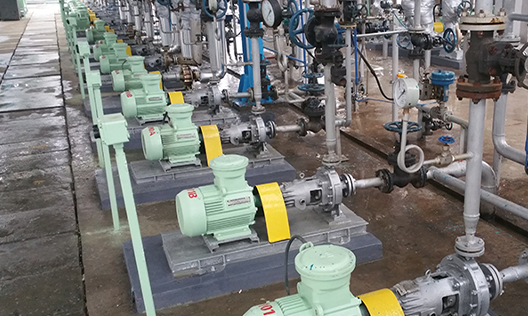
La elección de más de cientos de miles de clientes, cubriendo industrias como minería de carbón, metalurgia, química, energía, recursos hídricos, alimentos, municipalidades y protección ambiental, y exportando a Asia Sudeste, África, América y otros lugares.
-
Service
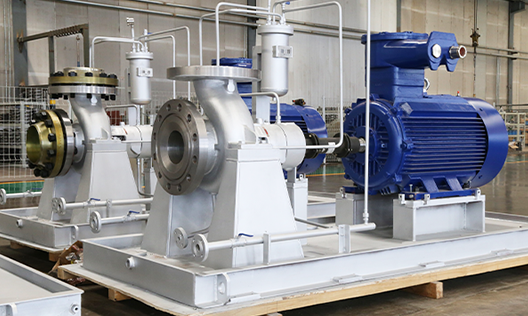
La empresa fue la primera en la industria en obtener las certificaciones internacionales del sistema de calidad ISO 9001:2008, del sistema de gestión ambiental ISO 14001 y del sistema de gestión de seguridad y salud ocupacional GB/T 28001, además de la certificación API 610 de la Asociación Estadounidense del Petróleo.
-
About us
La empresa, fundada en 1989, es una empresa nacional de alta tecnología integral que integra diseño, investigación y desarrollo, fabricación y servicios; actualmente es una empresa clave en la industria china de bombas centrífugas y una de las grandes fábricas especializadas.
-

Blogs
Con productos innovadores, calidad excepcional y servicios integrales, buscamos la verdad y la pragmática, avanzamos con iniciativa, y nos esforzamos por lograr el objetivo de ser "la marca líder en el campo de aplicación de bombas centrífugas en el país"! Raigada en Hunan, orientada a todo el país y hacia el mundo!
WATER SUPPLY PUMP — RELIABLE, EFFICIENT, AND VERSATILE SOLUTION FOR MODERN WATER NEEDS
Publication Date:
2025-11-27
Author:
Source:


Water supply pumps play a crucial role in residential, industrial, and agricultural applications, ensuring the continuous and efficient movement of water. From providing clean water for homes to supporting irrigation systems in agriculture and industrial processes, these pumps are essential for maintaining water reliability and system performance. Modern water supply pumps are engineered to deliver consistent pressure, high flow rates, and energy-efficient operation, addressing common customer pain points such as low water pressure, frequent pump breakdowns, and high maintenance costs. This article explores the framework, benefits, applications, and real-world advantages of water supply pumps, highlighting how they solve water supply challenges and improve operational efficiency.
The primary framework of a water supply pump revolves around design, material quality, and efficiency. High-quality pumps use corrosion-resistant materials, precision-engineered impellers, and durable motor systems to ensure long-term performance. Centrifugal and submersible pump designs are common, offering flexibility for different water supply needs. Centrifugal pumps excel in providing high flow rates with stable pressure, making them ideal for residential and industrial water distribution. Submersible pumps, installed directly in wells or water reservoirs, offer efficient water lifting and minimal noise, ideal for agricultural irrigation or deep well applications. Advanced mechanical seals and bearing systems enhance pump longevity and reduce operational downtime.

Advantages of water supply pumps include consistent water pressure, energy efficiency, durability, and ease of maintenance. By delivering reliable water flow, these pumps eliminate common frustrations such as low household water pressure or inadequate irrigation coverage. Energy-efficient designs reduce electricity consumption, lowering operational costs for both residential users and industrial operators. Durability and corrosion resistance ensure that pumps can withstand harsh water conditions and continuous use without frequent failures. Additionally, modern pumps are designed with easy-access components and minimal maintenance requirements, addressing the common pain point of high upkeep and repair costs.
Applications of water supply pumps span multiple sectors. In residential settings, water supply pumps provide steady water pressure for showers, sinks, and household appliances, ensuring a comfortable and uninterrupted experience. In agriculture, pumps are critical for irrigation systems, enabling precise water distribution to crops and minimizing water waste. Industrial applications include cooling systems, water processing, and manufacturing processes where stable and consistent water flow is necessary for operational efficiency. These pumps can be customized for specific flow rates, pressure requirements, and environmental conditions, making them versatile solutions for diverse customer needs.
Real-world examples illustrate the effectiveness of water supply pumps. A residential community upgraded its old water distribution system with modern centrifugal pumps, resulting in a 25% improvement in water pressure and a significant reduction in system failures. A large-scale farm implemented submersible pumps for irrigation, improving crop yield and reducing water wastage by 15% compared to previous pumping solutions. In an industrial plant, water supply pumps were installed to maintain cooling system efficiency, preventing overheating and reducing downtime, which led to operational cost savings. These cases demonstrate how water supply pumps address performance, reliability, and efficiency challenges across various environments.
Customer pain points that water supply pumps solve include inconsistent water flow, frequent mechanical failures, high energy usage, and costly maintenance. Traditional or outdated pump systems often fail to meet modern water demand, causing operational delays, damage to connected systems, and frustration for users. By providing reliable, energy-efficient, and durable pumping solutions, modern water supply pumps not only ensure uninterrupted water flow but also reduce operational costs and maintenance requirements. The ability to customize pumps to specific site requirements further ensures that customer challenges are addressed effectively, whether for home use, agriculture, or industry.
In addition to functionality, modern water supply pumps are designed with ease of integration and user convenience in mind. They can be installed quickly and efficiently, with automated control options such as pressure switches, variable frequency drives, or remote monitoring capabilities. These features allow users to maintain optimal water flow without manual intervention, improving system reliability and reducing labor costs. The integration of smart technology also allows for predictive maintenance, alerting operators to potential issues before they become critical, further reducing downtime and enhancing overall efficiency.
In conclusion, water supply pumps are indispensable solutions for modern water management, offering reliable, efficient, and versatile performance across residential, agricultural, and industrial sectors. Their durable construction, consistent water flow, energy efficiency, and low maintenance requirements address key customer pain points, ensuring operational stability and cost-effectiveness. With applications ranging from household water supply to large-scale irrigation and industrial processing, water supply pumps provide a robust and dependable solution that meets the increasing demand for high-quality, uninterrupted water delivery. Investing in a modern water supply pump guarantees long-term reliability, improved performance, and optimized water management for a wide range of users.
Recommended Information


Related Products
Perhaps you also want to know?
Zoomlian Pump Industry
Address:No. 210, Environmental Protection Middle Road, Yuhua Economic Development Zone, Changsha City, Hunan Province China
All rights reserved © Changsha Zoomlian Pump Co., Ltd.
This website supports IPv4 IPv6 bidirectional access
Website construction:Zhongqi Power Changsha