

-
Products
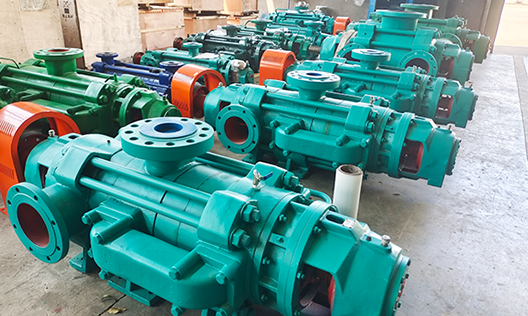
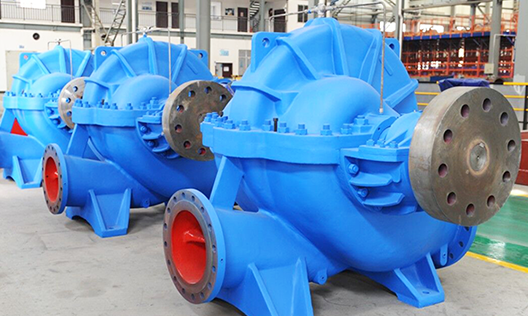
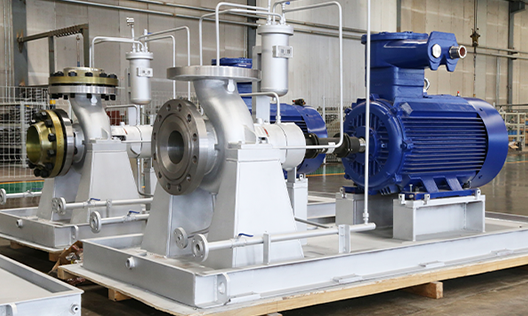
Puede fabricar 26 series de productos, incluyendo bombas de circulación para grandes centrales eléctricas, bombas de condensación para grandes centrales eléctricas, bombas petroquímicas, bombas multietapa, bombas de aguas residuales y lodo, bombas multietapa autoequilibradas, bombas de doble succión y única etapa tipo split, y bombas centrífugas de succión simple y única etapa.
-
Cases
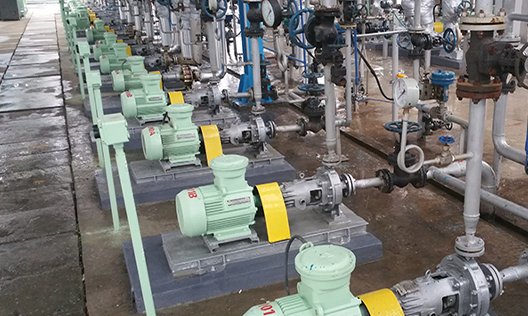
La elección de más de cientos de miles de clientes, cubriendo industrias como minería de carbón, metalurgia, química, energía, recursos hídricos, alimentos, municipalidades y protección ambiental, y exportando a Asia Sudeste, África, América y otros lugares.
-
Service
La empresa fue la primera en la industria en obtener las certificaciones internacionales del sistema de calidad ISO 9001:2008, del sistema de gestión ambiental ISO 14001 y del sistema de gestión de seguridad y salud ocupacional GB/T 28001, además de la certificación API 610 de la Asociación Estadounidense del Petróleo.
-
About us
La empresa, fundada en 1989, es una empresa nacional de alta tecnología integral que integra diseño, investigación y desarrollo, fabricación y servicios; actualmente es una empresa clave en la industria china de bombas centrífugas y una de las grandes fábricas especializadas.
-

Blogs
Con productos innovadores, calidad excepcional y servicios integrales, buscamos la verdad y la pragmática, avanzamos con iniciativa, y nos esforzamos por lograr el objetivo de ser "la marca líder en el campo de aplicación de bombas centrífugas en el país"! Raigada en Hunan, orientada a todo el país y hacia el mundo!
Top Signs That Your Boiler Feed Pump Needs Maintenance
Publication Date:
2026-10-14
Author:
Source:


Top Signs That Your Boiler Feed Pump Needs Maintenance
In the realm of industrial equipment, the boiler feed pump plays a crucial role in maintaining operational efficiency. This vital component ensures that water is supplied to the boiler at the required pressure and flow rate. Recognizing the early signs of maintenance needs can save you from unexpected downtimes and costly repairs. In this extensive article, we delve into the top indicators that your boiler feed pump requires maintenance, ensuring you can sustain optimal performance in your operations.
Understanding the Importance of Boiler Feed Pump Maintenance
Boiler feed pumps are essential for the smooth operation of boiler systems. They are responsible for delivering water to the boiler, creating steam, and maintaining the necessary pressure levels. Regular maintenance of these pumps is critical for:
- Ensuring consistent production quality
- Preventing costly downtime
- Extending the lifespan of the equipment
- Enhancing energy efficiency
Common Signs Indicating Your Boiler Feed Pump Needs Maintenance
1. Unusual Noises from the Pump
One of the first signs that your boiler feed pump may need maintenance is the presence of unusual noises. If you hear grinding, rattling, or whistling sounds, it could indicate:
- Worn bearings
- A misaligned motor or pump
- Air or vapor pockets within the system
Ignoring these sounds could lead to severe damage, so take immediate action if you notice any unusual auditory signs.
2. Fluctuating Pressure Readings
Pressure fluctuations can be a clear indication that your boiler feed pump is not functioning correctly. Normal operation should maintain a consistent pressure. If you observe:
- Dramatic increases or decreases in pressure
- Inconsistent readings on the pressure gauge
these may signal issues with the pump’s impeller, valve malfunctions, or other internal problems that require immediate inspection.
3. Increased Energy Consumption
Another critical sign of a failing boiler feed pump is a noticeable increase in energy consumption. If you find that your energy bills have risen without a corresponding increase in production, consider the following:
- Wear and tear on the pump components
- Increased friction due to improper lubrication
- System inefficiencies caused by improper pump sizing
Addressing these issues promptly can help restore energy efficiency and lower operational costs.
4. Leaking Seals and Connections
Leaks around the pump seals or pipe connections can indicate wear or damage. Common causes include:
- Corrosion of materials
- Improper installation
- Excessive vibration or pressure
Regularly inspect these areas for signs of leakage. Addressing them quickly can prevent larger problems down the line.
5. Overheating of the Pump
Overheating is a severe condition that can lead to pump failure if not addressed. The following factors can contribute to pump overheating:
- Insufficient coolant flow
- Clogged filters or strainers
- Worn bearings causing excessive friction
If the pump feels excessively hot to the touch or if the thermal sensors indicate high temperatures, it’s time to investigate the issue further.
Preventative Maintenance: Best Practices for Boiler Feed Pumps
1. Regular Inspections
Conducting routine inspections is paramount in identifying potential issues before they escalate. Focus on:
- Visual checks for leaks and corrosion
- Auditory checks for unusual noises
- Monitoring pressure and temperature readings
2. Scheduled Servicing
Implement a regular servicing schedule with qualified professionals who can perform comprehensive checks on your boiler feed pump. Regular servicing should include:
- Lubrication of moving parts
- Calibration of pressure and temperature sensors
- Replacement of worn components
3. Training Staff on Best Practices
Ensure that your operational staff is trained to recognize warning signs of pump distress. This training should cover:
- How to interpret pressure and temperature readings
- Recognizing unusual noises and vibrations
- Proper procedures for reporting issues
4. Keep the System Clean
Maintain cleanliness in the boiler feed system. Regularly cleaning filters, strainers, and pumps reduces the risk of clogging and overheating.
5. Document Maintenance History
Keep thorough records of all maintenance and repairs performed on the feed pump. This documentation helps identify patterns and can inform future maintenance decisions.
When to Seek Professional Assistance
While proactive maintenance can solve many issues, there are times when professional help is necessary. Consider seeking expert advice when:
- Persistent problems occur despite regular maintenance
- Repairs are beyond your team’s expertise
- The pump is nearing the end of its expected lifespan
FAQs About Boiler Feed Pump Maintenance
1. How often should I inspect my boiler feed pump?
Regular inspections should be conducted every three to six months, or more frequently if your operations are intensive.
2. What can cause a boiler feed pump to fail?
Common causes of failure include mechanical wear, corrosion, insufficient lubrication, and improper maintenance practices.
3. How can I tell if my pump is losing efficiency?
Look for increased energy consumption, rising operating temperatures, and fluctuating pressure readings as key indicators of efficiency loss.
4. Is it safe to operate a malfunctioning boiler feed pump?
No, operating a malfunctioning pump can lead to severe system failures and safety hazards. Always address issues promptly.
5. What are the benefits of regular maintenance on my boiler feed pump?
Regular maintenance can improve efficiency, extend the pump's lifespan, reduce energy costs, and prevent unexpected downtimes.
Conclusion
Recognizing the signs that your boiler feed pump needs maintenance is crucial in ensuring operational efficiency and reducing the risk of costly failures. By staying vigilant for unusual noises, pressure fluctuations, leaks, and increased energy consumption, you can take the necessary steps to address potential issues before they escalate. Implementing a robust maintenance strategy, including regular inspections and professional servicing, can ensure your boiler feed pump continues to perform at its best. With this knowledge, you are better equipped to maintain your industrial equipment effectively and avoid unnecessary disruptions in your operations.
Recommended Information


Related Products
Perhaps you also want to know?
Zoomlian Pump Industry
Address:No. 210, Environmental Protection Middle Road, Yuhua Economic Development Zone, Changsha City, Hunan Province China
All rights reserved © Changsha Zoomlian Pump Co., Ltd.
This website supports IPv4 IPv6 bidirectional access
Website construction:Zhongqi Power Changsha