

-
Products
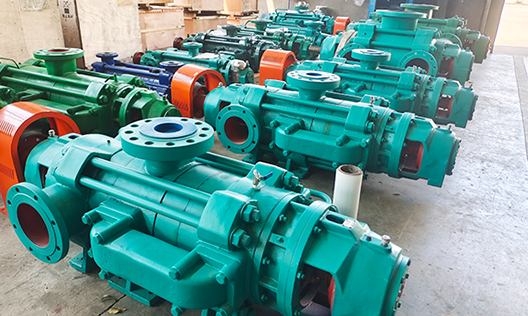
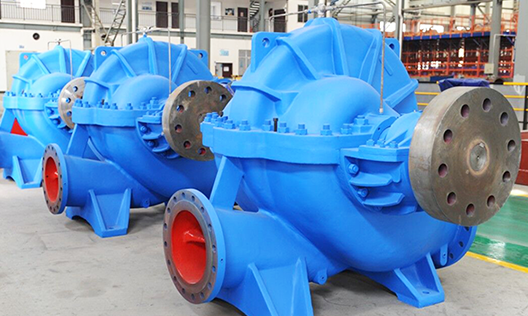
Puede fabricar 26 series de productos, incluyendo bombas de circulación para grandes centrales eléctricas, bombas de condensación para grandes centrales eléctricas, bombas petroquímicas, bombas multietapa, bombas de aguas residuales y lodo, bombas multietapa autoequilibradas, bombas de doble succión y única etapa tipo split, y bombas centrífugas de succión simple y única etapa.
-
Cases
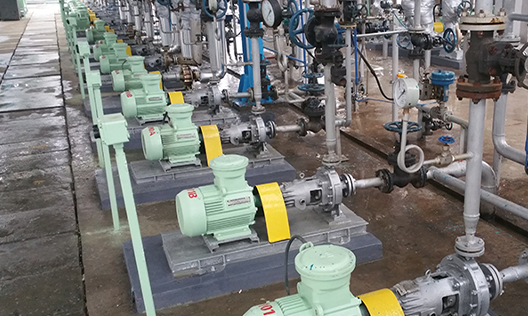
La elección de más de cientos de miles de clientes, cubriendo industrias como minería de carbón, metalurgia, química, energía, recursos hídricos, alimentos, municipalidades y protección ambiental, y exportando a Asia Sudeste, África, América y otros lugares.
-
Service
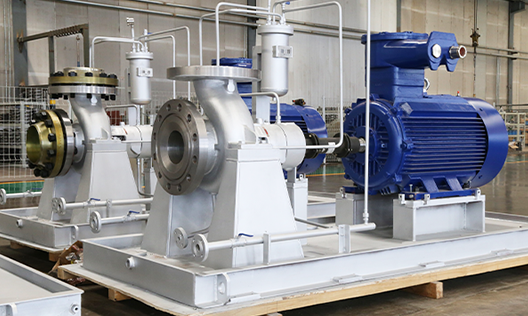
La empresa fue la primera en la industria en obtener las certificaciones internacionales del sistema de calidad ISO 9001:2008, del sistema de gestión ambiental ISO 14001 y del sistema de gestión de seguridad y salud ocupacional GB/T 28001, además de la certificación API 610 de la Asociación Estadounidense del Petróleo.
-
About us
La empresa, fundada en 1989, es una empresa nacional de alta tecnología integral que integra diseño, investigación y desarrollo, fabricación y servicios; actualmente es una empresa clave en la industria china de bombas centrífugas y una de las grandes fábricas especializadas.
-

Blogs
Con productos innovadores, calidad excepcional y servicios integrales, buscamos la verdad y la pragmática, avanzamos con iniciativa, y nos esforzamos por lograr el objetivo de ser "la marca líder en el campo de aplicación de bombas centrífugas en el país"! Raigada en Hunan, orientada a todo el país y hacia el mundo!
Why Your Industrial Facility Needs a Reliable OEM Boiler Feed Pump
Publication Date:
2026-06-16
Author:
Source:


Why Your Industrial Facility Needs a Reliable OEM Boiler Feed Pump
In the fast-paced world of industrial operations, the efficiency and reliability of equipment can directly impact productivity and profitability. One of the unsung heroes in this arena is the OEM (Original Equipment Manufacturer) boiler feed pump. This essential component is often overlooked, yet its importance cannot be overstated. In this comprehensive article, we delve into the reasons why your industrial facility requires a reliable OEM boiler feed pump, exploring its benefits, applications, and the implications of neglecting this critical machinery.
Table of Contents
- Understanding OEM Boiler Feed Pumps
- The Importance of Reliable Boiler Feed Pumps
- Benefits of Choosing OEM Boiler Feed Pumps
- Applications of Boiler Feed Pumps in Industries
- Factors to Consider When Selecting Boiler Feed Pumps
- Maintenance Best Practices for Optimal Performance
- Common Issues with Boiler Feed Pumps and Solutions
- Conclusion
- FAQs
Understanding OEM Boiler Feed Pumps
OEM boiler feed pumps are specifically designed and manufactured to meet the rigorous demands of boiler systems in industrial applications. These pumps are tasked with delivering water to the boiler to maintain the necessary water level, ensuring efficient steam generation for heating and power production. The design, materials, and operational efficiency of these pumps are optimized to prevent issues such as cavitation and excessive wear and tear, which can compromise performance.
Key Features of OEM Boiler Feed Pumps
Reliable OEM boiler feed pumps are characterized by several key features:
- Durability: Built to withstand harsh industrial environments.
- Efficiency: Designed for optimal energy usage, reducing operational costs.
- Customizability: Tailored to fit specific operational requirements and boiler types.
- Safety: Incorporates features that enhance operational safety, minimizing risks associated with boiler operations.
The Importance of Reliable Boiler Feed Pumps
Reliability in boiler feed pumps is not just a nice-to-have; it is a necessity for any industrial facility. A malfunctioning or inefficient pump can lead to significant operational challenges, safety hazards, and financial losses.
Implications of Pump Failure
Failing to invest in a reliable OEM boiler feed pump can have several adverse effects:
- Operational Downtime: Unplanned outages can result in halted production, leading to lost revenue.
- Increased Maintenance Costs: Frequent repairs can accumulate costs quickly, eating into your budget.
- Safety Risks: An unreliable pump can lead to dangerous situations, including boiler explosions or other catastrophic failures.
Benefits of Choosing OEM Boiler Feed Pumps
Investing in OEM boiler feed pumps offers numerous benefits that enhance the overall efficiency and safety of industrial operations. Here are some of the key advantages:
1. Enhanced Performance
OEM boiler feed pumps are engineered for superior performance, providing consistent water feed to the boiler system. This ensures optimal steam production and minimizes the risk of boiler dry firing.
2. Improved Energy Efficiency
With a focus on energy-saving technologies, OEM pumps operate more efficiently than standard models, leading to lower utility costs and a reduced carbon footprint.
3. Long-Term Reliability
These pumps are built from high-quality materials and undergo rigorous testing, ensuring long-term reliability and reducing the likelihood of unexpected failures.
4. Manufacturer Support
Purchasing OEM pumps often comes with the benefit of manufacturer support, including installation, maintenance, and troubleshooting guidance, ensuring your facility runs smoothly.
Applications of Boiler Feed Pumps in Industries
Boiler feed pumps are essential across various industries, where steam generation is integral to operations. Their applications include:
1. Power Generation
In power plants, boiler feed pumps are crucial for steam generation, helping convert water into steam to drive turbines effectively.
2. Food and Beverage
The food and beverage industry relies on steam for cooking and processing. Reliable boiler feed pumps ensure consistent steam supply for various applications.
3. Chemical Manufacturing
In the chemical industry, steam is utilized in numerous processes. OEM boiler feed pumps provide the reliability needed for continuous operation.
4. Textiles
Textile manufacturing often involves steam in the dyeing and finishing processes. Consistent performance from boiler feed pumps is vital for maintaining quality.
Factors to Consider When Selecting Boiler Feed Pumps
Selecting the right OEM boiler feed pump requires careful evaluation of several factors:
1. Flow Rate Requirements
Understanding the flow rate necessary for your specific application is crucial, as it directly affects the performance of the pump.
2. Pressure Specifications
Ensure that the pump can handle the pressure requirements of your boiler system to maintain safe and efficient operations.
3. Material Compatibility
The materials used in pump construction should be compatible with the fluids being pumped to prevent corrosion and ensure longevity.
4. Energy Efficiency Ratings
Look for pumps with high energy efficiency ratings to minimize ongoing operational costs.
Maintenance Best Practices for Optimal Performance
Regular maintenance is essential to ensure the longevity and reliability of your OEM boiler feed pumps. Implementing best practices can prevent issues before they arise:
1. Regular Inspections
Conduct routine inspections to check for signs of wear, leaks, or other potential issues.
2. Scheduled Maintenance
Establish and adhere to a scheduled maintenance plan that includes cleaning, lubricating, and replacing worn parts.
3. Monitoring Performance
Utilize monitoring tools to track performance metrics, allowing for proactive management of pump operations.
Common Issues with Boiler Feed Pumps and Solutions
Even with the best equipment, issues can arise. Understanding common problems and their solutions can help mitigate downtime:
1. Cavitation
Cavitation occurs when vapor bubbles form in the pump, leading to damage. Solutions include ensuring proper suction conditions and maintaining adequate fluid levels.
2. Leakage
Leaks can stem from worn seals or fittings. Regular inspections and timely replacements can prevent leakage issues.
3. Overheating
Overheating may indicate a blockage or insufficient lubrication. Addressing flow issues and maintaining proper lubrication will help resolve this.
Conclusion
A reliable OEM boiler feed pump is an indispensable asset for any industrial facility reliant on steam generation. Investing in quality pumps not only enhances operational efficiency but also ensures safety and reduces long-term costs. Understanding the significance, applications, and maintenance of boiler feed pumps empowers facility managers to make informed decisions that contribute to sustainable operations. By prioritizing reliability and performance, businesses can optimize their productivity, minimize downtime, and maintain a competitive edge in their industry.
FAQs
1. What is a boiler feed pump?
A boiler feed pump is a specialized pump that supplies water to a boiler to maintain its required water level, facilitating efficient steam production.
2. Why choose OEM over aftermarket pumps?
OEM pumps are designed specifically for certain applications, ensuring compatibility, reliability, and performance, whereas aftermarket options may not meet the same standards.
3. How often should a boiler feed pump be serviced?
A maintenance schedule should be established based on manufacturer recommendations, typically involving inspections and servicing every few months.
4. What are the signs of a failing boiler feed pump?
Common signs include unusual noises, leaks, overheating, and fluctuations in water levels within the boiler.
5. Can boiler feed pumps be repaired?
In many cases, boiler feed pumps can be repaired if issues are identified early. However, significant damage may warrant replacement.
By understanding the critical role that OEM boiler feed pumps play in industrial operations, facility managers can make informed choices that enhance the reliability and efficiency of their systems.
Recommended Information


Related Products
Perhaps you also want to know?
Zoomlian Pump Industry
Address:No. 210, Environmental Protection Middle Road, Yuhua Economic Development Zone, Changsha City, Hunan Province China
All rights reserved © Changsha Zoomlian Pump Co., Ltd.
This website supports IPv4 IPv6 bidirectional access
Website construction:Zhongqi Power Changsha