

-
Products
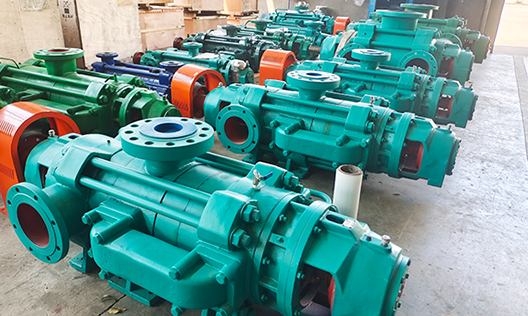
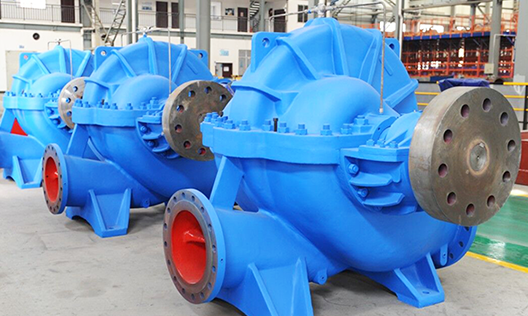
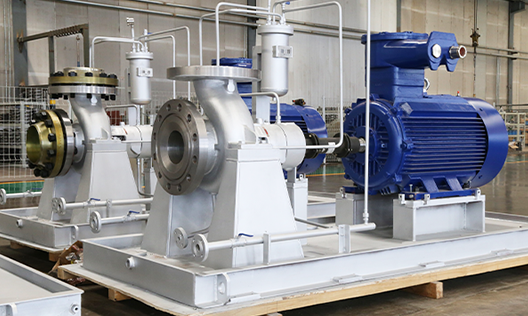
Puede fabricar 26 series de productos, incluyendo bombas de circulación para grandes centrales eléctricas, bombas de condensación para grandes centrales eléctricas, bombas petroquímicas, bombas multietapa, bombas de aguas residuales y lodo, bombas multietapa autoequilibradas, bombas de doble succión y única etapa tipo split, y bombas centrífugas de succión simple y única etapa.
-
Cases
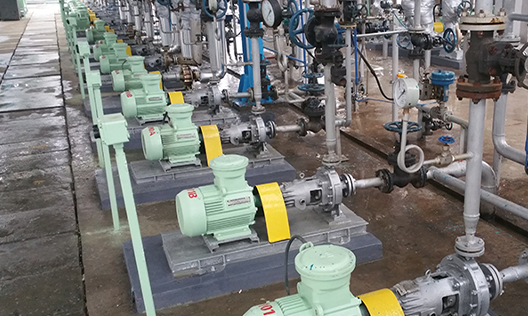
La elección de más de cientos de miles de clientes, cubriendo industrias como minería de carbón, metalurgia, química, energía, recursos hídricos, alimentos, municipalidades y protección ambiental, y exportando a Asia Sudeste, África, América y otros lugares.
-
Service
La empresa fue la primera en la industria en obtener las certificaciones internacionales del sistema de calidad ISO 9001:2008, del sistema de gestión ambiental ISO 14001 y del sistema de gestión de seguridad y salud ocupacional GB/T 28001, además de la certificación API 610 de la Asociación Estadounidense del Petróleo.
-
About us
La empresa, fundada en 1989, es una empresa nacional de alta tecnología integral que integra diseño, investigación y desarrollo, fabricación y servicios; actualmente es una empresa clave en la industria china de bombas centrífugas y una de las grandes fábricas especializadas.
-

Blogs
Con productos innovadores, calidad excepcional y servicios integrales, buscamos la verdad y la pragmática, avanzamos con iniciativa, y nos esforzamos por lograr el objetivo de ser "la marca líder en el campo de aplicación de bombas centrífugas en el país"! Raigada en Hunan, orientada a todo el país y hacia el mundo!
The Evolution of Self-Priming Pump Technology Over the Years
Publication Date:
2026-01-15
Author:
Source:


The Evolution of Self-Priming Pump Technology Over the Years
Self-priming pumps have become indispensable in various industries, providing reliable solutions for fluid transfer in challenging applications. This article examines the evolution of self-priming pump technology, tracing its historical roots, advancements in design and functionality, and the role it plays in modern engineering. By understanding the journey of self-priming pumps, we can appreciate their importance in contemporary applications.
Table of Contents
- Introduction to Self-Priming Pumps
- Historical Development of Self-Priming Pump Technology
- Key Components and Functionality of Self-Priming Pumps
- Advancements in Self-Priming Pump Design
- Applications of Self-Priming Pumps in Various Industries
- Future Trends in Self-Priming Pump Technology
- Maintenance Tips for Optimal Performance
- Conclusion
- Frequently Asked Questions
Introduction to Self-Priming Pumps
Self-priming pumps are unique devices that can evacuate air and create a vacuum, allowing them to draw fluid from a source without the need for external priming. This capability makes them ideal for applications where conventional pumps might struggle due to air entrapment. Understanding the underlying mechanics and advantages of self-priming pumps is essential for industries that rely on efficient fluid management.
Historical Development of Self-Priming Pump Technology
The concept of self-priming pumps dates back centuries, with early versions emerging in the 18th century. Initially, the technology was rudimentary, relying on basic principles of fluid dynamics and mechanical engineering. Over time, engineers began to refine the designs, leading to the creation of more reliable and efficient self-priming mechanisms.
Early Innovations in Pump Design
The early inventions of self-priming pumps were often limited by the materials and engineering knowledge of the time. However, as industrialization progressed, so did the demand for efficient fluid transfer systems. This demand spurred innovation, leading to the development of more sophisticated self-priming mechanisms and materials that could withstand harsher operating conditions.
Key Milestones in Self-Priming Pump History
- **The First Centrifugal Pumps**: Introduced in the late 19th century, these pumps laid the groundwork for self-priming designs.
- **Introduction of Modern Materials**: The use of durable plastics and advanced alloys in the 20th century revolutionized pump design.
- **Digital Technology Integration**: Recent advancements include the incorporation of smart technologies for improved monitoring and efficiency.
Key Components and Functionality of Self-Priming Pumps
Understanding the components that make up self-priming pumps is crucial for appreciating their functionality. These pumps typically consist of several key elements that enable their self-priming capabilities.
Essential Components of Self-Priming Pumps
- **Impeller**: This rotating part generates the necessary flow and suction to draw fluid into the pump.
- **Diffuser**: It converts kinetic energy from the impeller into pressure, aiding in fluid movement.
- **Pump Housing**: The casing that contains the impeller and diffuser, designed to minimize fluid loss.
- **Vent Port**: This feature allows air to escape during the priming process, ensuring that the pump can effectively draw fluid.
How Self-Priming Pumps Work
Self-priming pumps operate through a unique process that involves creating a vacuum within the pump housing. When the pump is activated, the impeller spins, drawing fluid into the pump while simultaneously expelling air through the vent port. This action continues until the pump is fully primed, allowing for consistent fluid flow without the need for manual priming.
Advancements in Self-Priming Pump Design
Over the years, self-priming pump designs have undergone significant enhancements aimed at improving efficiency, durability, and versatility. These advancements have made self-priming pumps a preferred choice in many applications.
Innovative Materials and Manufacturing Techniques
The introduction of advanced materials has played a pivotal role in the design of modern self-priming pumps. High-performance plastics and corrosion-resistant alloys have replaced traditional materials, resulting in pumps that are both lightweight and durable.
Energy Efficiency Improvements
Modern self-priming pumps are engineered to operate more efficiently, consuming less energy while delivering superior performance. Innovations such as variable frequency drives (VFDs) allow for precise control of the pump's speed, further enhancing energy savings.
Applications of Self-Priming Pumps in Various Industries
Self-priming pumps are utilized across a wide range of industries, thanks to their versatility and reliable performance. Understanding these applications can help businesses make informed decisions about the equipment they choose for fluid management.
1. Agriculture
In agriculture, self-priming pumps are essential for irrigation systems, enabling farmers to efficiently transfer water from wells and reservoirs to fields. Their ability to handle varying fluid levels and conditions makes them ideal for this application.
2. Chemical Processing
The chemical industry relies on self-priming pumps for transferring corrosive and hazardous fluids. Their robust design allows them to operate effectively in challenging environments while maintaining safety standards.
3. Wastewater Management
In wastewater treatment facilities, self-priming pumps play a critical role in transporting sludge and sewage. They can effectively manage solid-laden fluids, ensuring efficient processing and disposal.
4. Construction and Mining
Self-priming pumps are commonly used in construction and mining operations for dewatering and transferring muddy or contaminated water. Their mobility and ease of setup make them a practical choice in these demanding environments.
Future Trends in Self-Priming Pump Technology
As industries continue to evolve, self-priming pump technology is also expected to advance. Emerging trends include the integration of IoT (Internet of Things) capabilities, enabling real-time monitoring and predictive maintenance. This technology can enhance operational efficiency and reduce downtime, providing significant cost savings for businesses.
Maintenance Tips for Optimal Performance
To ensure the longevity and efficiency of self-priming pumps, regular maintenance is essential. Here are some key maintenance tips to keep in mind:
1. Regular Inspection
Conduct routine inspections to identify any signs of wear or damage, allowing for timely repairs before issues escalate.
2. Check Seal Integrity
Ensure that seals are in good condition to prevent leaks and maintain optimal performance. Replacing worn seals can significantly improve efficiency.
3. Clean Pump Components
Regularly clean the impeller and other components to prevent debris buildup, which can hinder performance and lead to pump failure.
Conclusion
The evolution of self-priming pump technology is a testament to human ingenuity and the drive for innovation. From their humble beginnings to modern advancements, self-priming pumps have become crucial in various industries, providing efficient solutions for fluid management. As technology continues to advance, we can expect further improvements in the design and functionality of self-priming pumps, enabling them to meet the ever-growing demands of the marketplace. By understanding their history, components, and applications, professionals in the industry can make informed decisions to enhance operational efficiency and reliability in their processes.
Frequently Asked Questions
1. What is a self-priming pump?
A self-priming pump is a type of pump that can evacuate air and create a vacuum to draw fluid from a source without the need for manual priming.
2. What are the main advantages of self-priming pumps?
Self-priming pumps offer several benefits, including ease of installation, reduced maintenance requirements, and the ability to handle varying fluid levels and conditions.
3. In what industries are self-priming pumps commonly used?
Self-priming pumps are widely used in agriculture, chemical processing, wastewater management, construction, and mining industries.
4. How can I maintain my self-priming pump?
Regular inspections, checking seal integrity, and cleaning pump components are essential maintenance practices to ensure optimal performance.
5. What are the future trends for self-priming pump technology?
Future trends include the integration of IoT capabilities for real-time monitoring, predictive maintenance, and enhancements in energy efficiency and material durability.
Previous:
Recommended Information


Related Products
Perhaps you also want to know?
Zoomlian Pump Industry
Address:No. 210, Environmental Protection Middle Road, Yuhua Economic Development Zone, Changsha City, Hunan Province China
All rights reserved © Changsha Zoomlian Pump Co., Ltd.
This website supports IPv4 IPv6 bidirectional access
Website construction:Zhongqi Power Changsha