

-
Products
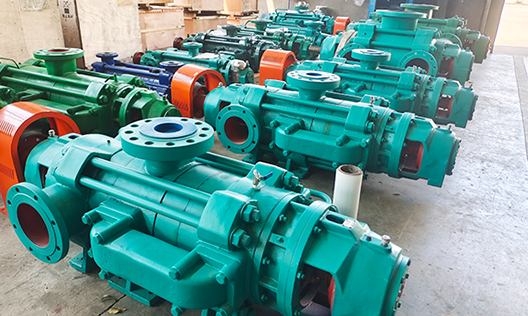
Puede fabricar 26 series de productos, incluyendo bombas de circulación para grandes centrales eléctricas, bombas de condensación para grandes centrales eléctricas, bombas petroquímicas, bombas multietapa, bombas de aguas residuales y lodo, bombas multietapa autoequilibradas, bombas de doble succión y única etapa tipo split, y bombas centrífugas de succión simple y única etapa.
-
Cases
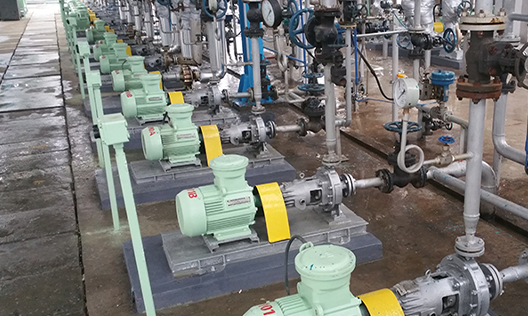
La elección de más de cientos de miles de clientes, cubriendo industrias como minería de carbón, metalurgia, química, energía, recursos hídricos, alimentos, municipalidades y protección ambiental, y exportando a Asia Sudeste, África, América y otros lugares.
-
Service
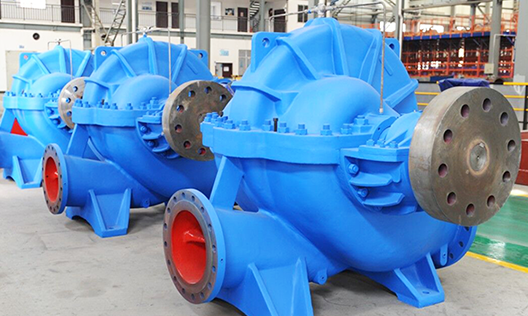
La empresa fue la primera en la industria en obtener las certificaciones internacionales del sistema de calidad ISO 9001:2008, del sistema de gestión ambiental ISO 14001 y del sistema de gestión de seguridad y salud ocupacional GB/T 28001, además de la certificación API 610 de la Asociación Estadounidense del Petróleo.
-
About us
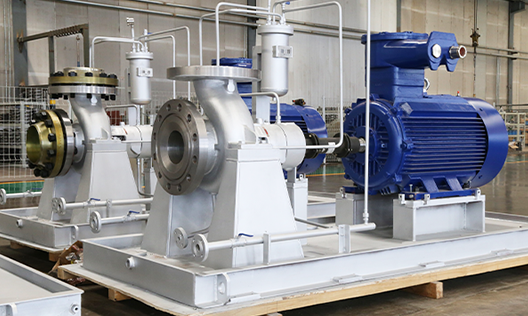
La empresa, fundada en 1989, es una empresa nacional de alta tecnología integral que integra diseño, investigación y desarrollo, fabricación y servicios; actualmente es una empresa clave en la industria china de bombas centrífugas y una de las grandes fábricas especializadas.
-

Blogs
Con productos innovadores, calidad excepcional y servicios integrales, buscamos la verdad y la pragmática, avanzamos con iniciativa, y nos esforzamos por lograr el objetivo de ser "la marca líder en el campo de aplicación de bombas centrífugas en el país"! Raigada en Hunan, orientada a todo el país y hacia el mundo!
How Quality Submersible Pumps Enhance Industrial Efficiency
Publication Date:
2026-01-11
Author:
Source:


How Quality Submersible Pumps Enhance Industrial Efficiency
Table of Contents
- 1. Introduction to Submersible Pumps
- 2. Understanding the Technology Behind Submersible Pumps
- 3. Benefits of Quality Submersible Pumps
- 4. Applications in Industrial Settings
- 5. How Submersible Pumps Improve Efficiency
- 6. Choosing the Right Submersible Pump
- 7. Maintenance and Longevity of Submersible Pumps
- 8. Future Trends in Submersible Pump Technology
- 9. FAQs about Submersible Pumps
- 10. Conclusion
1. Introduction to Submersible Pumps
Submersible pumps play a critical role in various industrial applications by facilitating the movement of fluids from lower depths to the surface. Unlike traditional pumps, which operate above the fluid surface, submersible pumps are designed to function underwater. This design not only enhances their efficiency but also significantly reduces energy consumption and operational costs.
In this article, we will explore how quality submersible pumps can enhance industrial efficiency by examining their technology, benefits, applications, and emerging trends in the industry.
2. Understanding the Technology Behind Submersible Pumps
At the core of submersible pump technology is a robust design that includes a motor, impeller, and housing, all encased in a waterproof shell. The motor drives the impeller, which creates a pressure differential that allows fluid to be drawn into the pump and pushed to the surface.
**Key Components of Submersible Pumps:**
- **Motor:** The heart of the pump, typically a sealed electric motor that prevents water ingress.
- **Impeller:** This component is responsible for generating flow. Its design affects the pump's efficiency and performance.
- **Housing:** An essential part of the pump that protects the internal components and allows for easy deployment in various environments.
Additionally, these pumps are designed to handle different types of fluids, including clean water, sewage, and even corrosive substances, depending on the materials used in their construction.
3. Benefits of Quality Submersible Pumps
Investing in quality submersible pumps offers a range of benefits that enhance industrial efficiency:
3.1 Increased Energy Efficiency
Quality submersible pumps are engineered to minimize energy consumption. Their submerged operation reduces the energy required to lift fluids, allowing for significant savings on electricity bills.
3.2 Enhanced Reliability
High-quality submersible pumps are designed to withstand harsh industrial environments. Their robust construction ensures durability, leading to fewer breakdowns and maintenance needs.
3.3 Space-Saving Design
As submersible pumps operate underwater, they require less space than traditional pumps. This design flexibility allows industries to optimize their layout and utilize available space more effectively.
3.4 Versatile Applications
Submersible pumps can be used in various applications, including agricultural irrigation, wastewater management, and dewatering processes, making them a versatile solution for many industries.
3.5 Reduced Noise Pollution
Submersible pumps operate quietly due to their submerged nature, minimizing noise pollution in industrial settings, which can lead to a more pleasant working environment.
4. Applications in Industrial Settings
Quality submersible pumps are utilized across various industries, showcasing their versatility and effectiveness:
4.1 Agricultural Irrigation
In agriculture, submersible pumps are crucial for efficient irrigation. They can draw water from deep wells or reservoirs, ensuring crops receive the necessary moisture for optimal growth.
4.2 Wastewater Management
In wastewater treatment facilities, submersible pumps transport sewage and sludge, playing a vital role in maintaining clean water systems and protecting public health.
4.3 Construction and Dewatering
During construction projects, submersible pumps are employed to remove excess water from excavations, ensuring that work can proceed safely and efficiently.
4.4 Mining Operations
In the mining industry, submersible pumps are essential for dewatering operations, helping to maintain safe working conditions by removing excess water from mines.
5. How Submersible Pumps Improve Efficiency
Submersible pumps enhance industrial efficiency through several mechanisms:
5.1 Streamlined Operations
By automating the fluid movement process, submersible pumps reduce the need for manual labor and intervention, allowing for streamlined operations and improved productivity.
5.2 Enhanced Fluid Delivery
Submersible pumps can deliver fluids at consistent rates, ensuring that processes requiring precise fluid quantities can be maintained without interruption.
5.3 Minimized Downtime
With their reliable construction, quality submersible pumps experience less downtime due to repairs or maintenance, allowing industries to maintain productivity levels.
6. Choosing the Right Submersible Pump
Selecting the right submersible pump is crucial for maximizing efficiency in industrial applications. Here are key factors to consider:
6.1 Fluid Characteristics
Assess the type of fluid being pumped. Different pumps are designed to handle varying viscosity, temperature, and corrosiveness levels.
6.2 Pump Size and Capacity
Evaluate the required flow rate and head height. Choosing a pump with the appropriate capacity ensures optimal performance.
6.3 Energy Efficiency Ratings
Look for pumps that are energy efficient. This not only reduces operational costs but also aligns with sustainability initiatives.
6.4 Brand Reputation
Invest in pumps from reputable manufacturers known for quality and reliability. Reviews and case studies can provide insight into performance.
7. Maintenance and Longevity of Submersible Pumps
To ensure the longevity and efficiency of submersible pumps, regular maintenance is essential.
7.1 Routine Inspections
Conduct routine inspections to check for wear and tear, leaks, or abnormal noises that may indicate potential issues.
7.2 Cleaning and Debris Removal
Keep the pump free from debris and blockages to maintain optimal performance. Regular cleaning can prevent damage and prolong the pump's lifespan.
7.3 Monitoring Performance
Utilize monitoring systems to track the pump's performance. This proactive approach can help detect issues early, allowing for timely interventions.
8. Future Trends in Submersible Pump Technology
The submersible pump industry is evolving, with trends pointing towards enhanced efficiency and sustainability.
8.1 Smart Pump Technology
Innovations in smart technology allow for real-time monitoring and control. This feature enables predictive maintenance and optimized operation.
8.2 Eco-Friendly Materials
Manufacturers are increasingly focusing on using environmentally friendly materials, reducing the ecological impact of pump production and operation.
8.3 Advanced Design Features
Future pumps may incorporate advanced design elements that further enhance efficiency and reliability, such as improved impeller designs and energy recovery systems.
9. FAQs about Submersible Pumps
9.1 What is the lifespan of a submersible pump?
The lifespan of a submersible pump can vary widely based on usage and maintenance, but high-quality pumps can last between 10 to 20 years.
9.2 Are submersible pumps suitable for all types of fluids?
While many submersible pumps can handle different fluids, it’s essential to choose one designed for the specific type of fluid being pumped.
9.3 How do I know if my submersible pump needs maintenance?
Signs that a pump needs maintenance include decreased performance, unusual noises, or visible leaks.
9.4 Can submersible pumps operate in extreme temperatures?
Yes, but it depends on the specific pump model. Always refer to the manufacturer’s specifications for temperature limits.
9.5 How often should I inspect my submersible pump?
Routine inspections are recommended at least once every six months, with more frequent checks during high-use seasons.
10. Conclusion
Investing in quality submersible pumps is a strategic move for industries looking to enhance efficiency, reduce operational costs, and improve productivity. By understanding the technology, benefits, and applications of these pumps, businesses can make informed decisions that lead to better operational outcomes. As technology continues to evolve, staying updated on trends and advancements will ensure that industries maximize their efficiency while meeting sustainability goals. Quality submersible pumps are not just a choice; they are an essential component in advancing industrial efficiency.
Recommended Information


Related Products
Perhaps you also want to know?
Zoomlian Pump Industry
Address:No. 210, Environmental Protection Middle Road, Yuhua Economic Development Zone, Changsha City, Hunan Province China
All rights reserved © Changsha Zoomlian Pump Co., Ltd.
This website supports IPv4 IPv6 bidirectional access
Website construction:Zhongqi Power Changsha