

-
Products
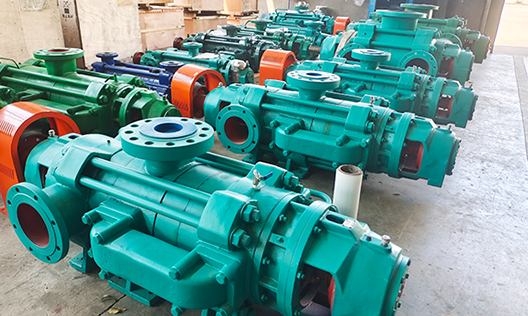
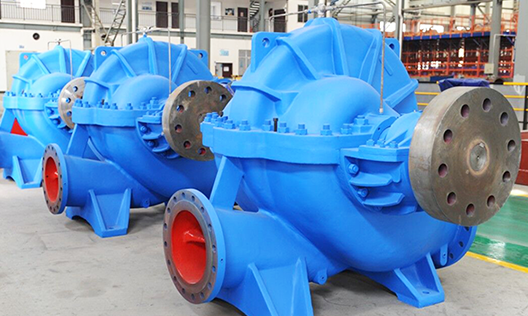
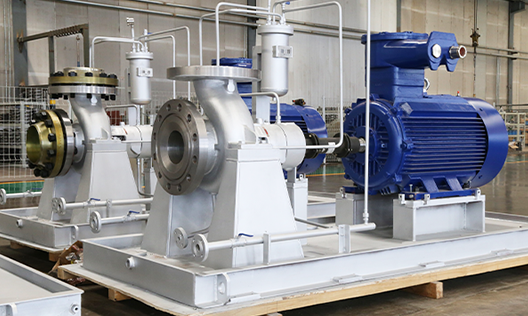
Puede fabricar 26 series de productos, incluyendo bombas de circulación para grandes centrales eléctricas, bombas de condensación para grandes centrales eléctricas, bombas petroquímicas, bombas multietapa, bombas de aguas residuales y lodo, bombas multietapa autoequilibradas, bombas de doble succión y única etapa tipo split, y bombas centrífugas de succión simple y única etapa.
-
Cases
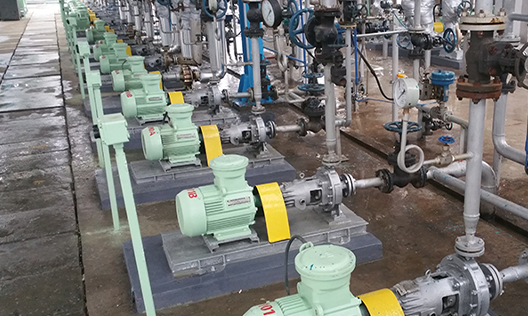
La elección de más de cientos de miles de clientes, cubriendo industrias como minería de carbón, metalurgia, química, energía, recursos hídricos, alimentos, municipalidades y protección ambiental, y exportando a Asia Sudeste, África, América y otros lugares.
-
Service
La empresa fue la primera en la industria en obtener las certificaciones internacionales del sistema de calidad ISO 9001:2008, del sistema de gestión ambiental ISO 14001 y del sistema de gestión de seguridad y salud ocupacional GB/T 28001, además de la certificación API 610 de la Asociación Estadounidense del Petróleo.
-
About us
La empresa, fundada en 1989, es una empresa nacional de alta tecnología integral que integra diseño, investigación y desarrollo, fabricación y servicios; actualmente es una empresa clave en la industria china de bombas centrífugas y una de las grandes fábricas especializadas.
-

Blogs
Con productos innovadores, calidad excepcional y servicios integrales, buscamos la verdad y la pragmática, avanzamos con iniciativa, y nos esforzamos por lograr el objetivo de ser "la marca líder en el campo de aplicación de bombas centrífugas en el país"! Raigada en Hunan, orientada a todo el país y hacia el mundo!
Unlocking Efficiency: How OEM Multistage Pumps Can Transform Your Operations
Publication Date:
2026-01-07
Author:
Source:


Unlocking Efficiency: How OEM Multistage Pumps Can Transform Your Operations
Table of Contents
1. Introduction to OEM Multistage Pumps
2. What Are OEM Multistage Pumps?
3. The Importance of Efficiency in Industrial Operations
4. Key Advantages of Using OEM Multistage Pumps
4.1 Increased Operational Efficiency
4.2 Cost-Effectiveness in Long-Term Operations
4.3 Versatility Across Multiple Applications
4.4 Enhanced Reliability and Durability
5. Applications of OEM Multistage Pumps
5.1 Water Supply and Treatment
5.2 Chemical Processing
5.3 Oil and Gas Industry
5.4 HVAC Systems
6. Factors to Consider When Selecting OEM Multistage Pumps
6.1 Flow Rate Requirements
6.2 Material Compatibility
6.3 Energy Efficiency Ratings
6.4 Maintenance and Support
7. The Future of OEM Multistage Pumps in Industry
8. Frequently Asked Questions (FAQs)
8.1 What makes OEM multistage pumps different from single-stage pumps?
8.2 Are OEM multistage pumps suitable for all industries?
8.3 How can I improve the lifespan of my OEM multistage pump?
8.4 What are the common maintenance practices for these pumps?
8.5 How do OEM multistage pumps contribute to sustainability?
9. Conclusion
1. Introduction to OEM Multistage Pumps
In the rapidly evolving landscape of industrial operations, **efficiency** remains a cornerstone of success. As companies strive to optimize their processes, the role of pumping systems becomes pivotal. Among these, **OEM multistage pumps** stand out as game-changers, enabling businesses to streamline their operations through enhanced performance and reliability.
2. What Are OEM Multistage Pumps?
OEM multistage pumps are specially designed pumping devices that consist of multiple impellers arranged in series. This configuration allows these pumps to achieve higher pressures while maintaining efficient flow rates. They are tailored for Original Equipment Manufacturers (OEMs) and are known for their adaptability across various applications.
Unlike single-stage pumps, multistage pumps excel in moving fluids across significant vertical distances, making them ideal for demanding industrial environments. The modular design of these pumps allows for easy modifications and scalability, catering to the specific needs of a given application.
3. The Importance of Efficiency in Industrial Operations
Efficiency in industrial operations not only leads to cost savings but also contributes to higher productivity and improved product quality. **Inefficient pumping systems** can result in increased energy consumption, frequent breakdowns, and higher maintenance costs. Thus, investing in advanced pumping technology, such as OEM multistage pumps, can result in substantial long-term benefits.
4. Key Advantages of Using OEM Multistage Pumps
4.1 Increased Operational Efficiency
One of the primary advantages of OEM multistage pumps is their ability to significantly enhance operational efficiency. By delivering a higher pressure output with a consistent flow rate, these pumps can optimize processes that require the transportation of fluids over long distances or to elevated locations.
4.2 Cost-Effectiveness in Long-Term Operations
While the initial investment in OEM multistage pumps might be higher than traditional pumps, the long-term savings often outweigh the initial costs. With reduced energy consumption and lower maintenance requirements, businesses can enjoy substantial savings over the lifespan of the pump.
4.3 Versatility Across Multiple Applications
OEM multistage pumps are versatile and can be utilized in a variety of industries, including water treatment, chemical processing, oil and gas, and HVAC systems. This adaptability makes them an attractive option for companies looking to consolidate their pump inventory.
4.4 Enhanced Reliability and Durability
Durability is a hallmark of OEM multistage pumps. Built with high-quality materials, these pumps are designed to withstand harsh operating conditions and resist wear and tear. This reliability translates into reduced downtime and increased productivity.
5. Applications of OEM Multistage Pumps
OEM multistage pumps find their applications in numerous industries, thanks to their robust design and efficiency.
5.1 Water Supply and Treatment
In municipal water supply systems, multistage pumps are vital for moving water from treatment facilities to distribution networks, ensuring a reliable supply of clean water for communities.
5.2 Chemical Processing
In chemical plants, these pumps handle various fluids, including corrosive and high-temperature substances, requiring pumps that can maintain integrity and efficiency under extreme conditions.
5.3 Oil and Gas Industry
Multistage pumps are crucial in the oil and gas sector, particularly in enhanced oil recovery processes, where they help move crude oil from deep underground reservoirs to surface processing facilities.
5.4 HVAC Systems
In heating, ventilation, and air conditioning (HVAC) applications, OEM multistage pumps play a key role in circulating water and maintaining system efficiency, contributing to energy savings and comfort.
6. Factors to Consider When Selecting OEM Multistage Pumps
When choosing the right OEM multistage pump for your operation, several factors must be taken into account.
6.1 Flow Rate Requirements
Understanding the flow rate required for your specific application is crucial. Ensuring that the pump can meet these flow requirements will guarantee optimal performance.
6.2 Material Compatibility
Depending on the fluid being pumped, it’s essential to select a pump constructed from materials that can resist corrosion and wear, ensuring longevity and reliability.
6.3 Energy Efficiency Ratings
Selecting pumps with high energy efficiency ratings can significantly reduce operational costs and contribute to sustainability goals.
6.4 Maintenance and Support
Evaluate the availability of maintenance support and the ease of service for the selected pump. A reliable support system can minimize downtime and extend the pump's lifespan.
7. The Future of OEM Multistage Pumps in Industry
The future of OEM multistage pumps is bright, with advancements in technology leading to smarter, more efficient systems. Innovations in materials and design will continue to enhance the performance and reliability of these pumps. Additionally, the integration of IoT technology will enable real-time monitoring, predictive maintenance, and greater automation in fluid handling processes.
8. Frequently Asked Questions (FAQs)
8.1 What makes OEM multistage pumps different from single-stage pumps?
OEM multistage pumps utilize multiple impellers to achieve higher pressures, making them suitable for applications requiring substantial vertical lift and efficient fluid movement over long distances.
8.2 Are OEM multistage pumps suitable for all industries?
Yes, OEM multistage pumps are versatile and can be used in a range of industries, from water treatment to chemical processing and oil and gas.
8.3 How can I improve the lifespan of my OEM multistage pump?
Regular maintenance, including inspections, cleaning, and timely repairs, can significantly enhance the lifespan of your pump.
8.4 What are the common maintenance practices for these pumps?
Common practices include checking for leaks, ensuring proper lubrication, monitoring performance metrics, and replacing worn components as needed.
8.5 How do OEM multistage pumps contribute to sustainability?
By improving energy efficiency and reducing operational costs, OEM multistage pumps help companies lower their environmental impact while maintaining productivity.
9. Conclusion
In conclusion, OEM multistage pumps are essential components for industries aiming to **unlock efficiency** in their operations. With their superior design, versatility, and reliability, these pumps offer significant advantages that can lead to long-term operational success. By understanding the diverse applications and key considerations for selecting these pumps, businesses can make informed decisions that align with their efficiency and productivity goals. As we move towards a more automated and technology-driven future, the role of multistage pumps will only become more critical in transforming industrial operations.
Recommended Information


Related Products
Perhaps you also want to know?
Zoomlian Pump Industry
Address:No. 210, Environmental Protection Middle Road, Yuhua Economic Development Zone, Changsha City, Hunan Province China
All rights reserved © Changsha Zoomlian Pump Co., Ltd.
This website supports IPv4 IPv6 bidirectional access
Website construction:Zhongqi Power Changsha