

-
Products
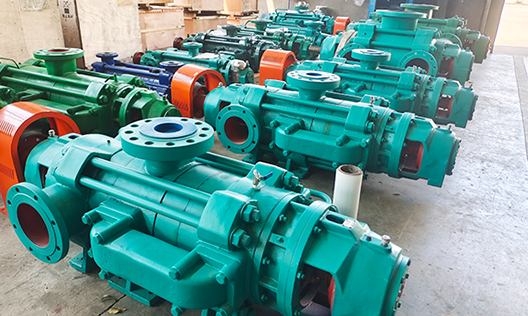
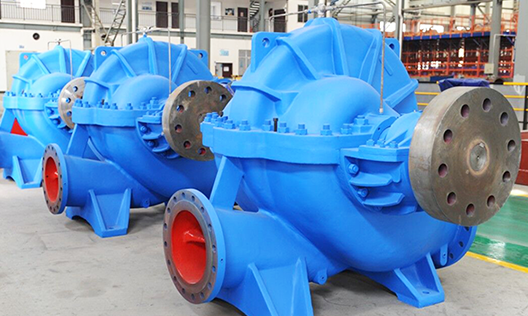
Puede fabricar 26 series de productos, incluyendo bombas de circulación para grandes centrales eléctricas, bombas de condensación para grandes centrales eléctricas, bombas petroquímicas, bombas multietapa, bombas de aguas residuales y lodo, bombas multietapa autoequilibradas, bombas de doble succión y única etapa tipo split, y bombas centrífugas de succión simple y única etapa.
-
Cases
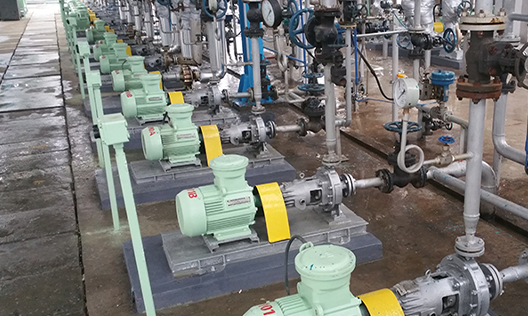
La elección de más de cientos de miles de clientes, cubriendo industrias como minería de carbón, metalurgia, química, energía, recursos hídricos, alimentos, municipalidades y protección ambiental, y exportando a Asia Sudeste, África, América y otros lugares.
-
Service
La empresa fue la primera en la industria en obtener las certificaciones internacionales del sistema de calidad ISO 9001:2008, del sistema de gestión ambiental ISO 14001 y del sistema de gestión de seguridad y salud ocupacional GB/T 28001, además de la certificación API 610 de la Asociación Estadounidense del Petróleo.
-
About us
La empresa, fundada en 1989, es una empresa nacional de alta tecnología integral que integra diseño, investigación y desarrollo, fabricación y servicios; actualmente es una empresa clave en la industria china de bombas centrífugas y una de las grandes fábricas especializadas.
-

Blogs
Con productos innovadores, calidad excepcional y servicios integrales, buscamos la verdad y la pragmática, avanzamos con iniciativa, y nos esforzamos por lograr el objetivo de ser "la marca líder en el campo de aplicación de bombas centrífugas en el país"! Raigada en Hunan, orientada a todo el país y hacia el mundo!
How to Ensure Your Self-Priming Pump Meets Industry Standards
Publication Date:
2025-12-30
Author:
Source:


How to Ensure Your Self-Priming Pump Meets Industry Standards
Table of Contents
- Understanding Self-Priming Pumps
- The Importance of Industry Standards in Pump Operations
- Key Industry Standards for Self-Priming Pumps
- Design Considerations for Compliance
- Materials and Manufacturing Standards
- Regular Maintenance and Monitoring Practices
- Troubleshooting Common Issues with Self-Priming Pumps
- Future Trends in Self-Priming Pump Technology
- FAQs About Self-Priming Pumps
- Conclusion
Understanding Self-Priming Pumps
Self-priming pumps are essential components in various industries, primarily designed to draw fluid into the pump without needing manual priming. Understanding their mechanics and functionality is vital for ensuring that they operate efficiently and adhere to industry standards. These pumps utilize a unique design that allows them to create a vacuum, enabling them to lift liquid from a lower level and maintain a continuous flow, even in challenging conditions.
How Self-Priming Pumps Work
Self-priming pumps operate on the principle of creating a vacuum through the impeller’s rotation. This action generates low pressure in the pump casing, allowing atmospheric pressure to push the liquid into the pump. It’s crucial for operators to understand the intricacies of this process, as good knowledge can lead to informed decisions regarding their application and maintenance.
The Importance of Industry Standards in Pump Operations
Complying with industry standards is not just a matter of regulatory compliance; it significantly impacts operational efficiency, safety, and longevity of self-priming pumps. Industry standards establish benchmarks for performance, quality, and safety, ensuring that equipment operates effectively under various conditions. Adhering to these standards helps prevent costly downtime, enhances reliability, and promotes safe working environments.
Enhancing Operational Efficiency
When self-priming pumps meet industry standards, they perform more efficiently. This efficiency translates to lower energy consumption and reduced operational costs, which can significantly benefit manufacturers and service providers.
Key Industry Standards for Self-Priming Pumps
Several organizations establish standards for self-priming pumps, including the American National Standards Institute (ANSI), the International Organization for Standardization (ISO), and the Hydraulic Institute (HI). Understanding these standards is crucial for ensuring compliance.
ANSI/HI Standards
The ANSI/HI standards provide guidelines for the design, testing, and performance of pumps, including self-priming models. Compliance with these standards ensures that pumps can handle specific flows, pressures, and efficiencies.
ISO 9906 Standard
ISO 9906 is another critical standard that focuses on pump testing. It outlines procedures for evaluating the performance of pumps, ensuring that they meet declared operating parameters.
Design Considerations for Compliance
Designing self-priming pumps to meet industry standards involves careful planning and execution. Engineers must consider various factors, including hydraulic design, material selection, and safety features.
Hydraulic Design Fundamentals
The hydraulic design of a self-priming pump should facilitate efficient fluid movement while minimizing energy losses. This involves selecting an appropriate impeller design, optimizing the pump casing, and ensuring that the pump can maintain its priming capabilities under varying conditions.
Safety Features in Design
Incorporating safety features, such as pressure relief valves and anti-cavitation designs, can enhance the operational safety of self-priming pumps. These features help prevent damage to the pump and ensure safe operation in various environments.
Materials and Manufacturing Standards
The materials used in constructing self-priming pumps significantly influence their performance and longevity. Manufacturers must adhere to specific standards that dictate the quality and type of materials used.
Material Selection Criteria
Choosing the right materials is vital for the pump’s durability and resistance to corrosion. Common materials include stainless steel, cast iron, and various polymers, each selected based on the specific application and environmental conditions.
Manufacturing Processes
The manufacturing process should comply with industry standards to ensure that each pump is built to perform reliably. Processes such as casting, machining, and assembly should meet predefined quality standards to produce equipment that stands the test of time.
Regular Maintenance and Monitoring Practices
Regular maintenance is essential for keeping self-priming pumps in optimal condition. Implementing routine inspection and maintenance schedules can prevent unexpected failures and prolong the pump's lifespan.
Creating a Maintenance Schedule
Developing a comprehensive maintenance schedule involves outlining tasks such as checking seals, inspecting for leaks, and monitoring performance metrics. Regular checks can identify potential issues before they escalate into significant problems.
Troubleshooting Common Issues with Self-Priming Pumps
Despite their reliability, self-priming pumps can experience issues. Understanding common problems and their solutions is crucial for maintaining performance.
Loss of Prime
Loss of prime is a frequent issue with self-priming pumps. This can occur due to air leaks in the suction line or insufficient liquid in the supply tank. Regular inspection of seals and hoses is vital for preventing this issue.
Overheating and Excessive Vibration
Overheating and excessive vibration can indicate problems with the pump's bearings or impeller. Regular maintenance and monitoring can help detect these issues early, allowing for prompt repairs and adjustments.
Future Trends in Self-Priming Pump Technology
As technology evolves, so do self-priming pump designs and methodologies. Staying ahead of trends can provide a competitive edge.
Smart Pump Technology
The integration of smart technology into self-priming pumps is gaining traction. These pumps can monitor their performance in real-time, alert operators to potential issues, and optimize energy consumption, enhancing overall efficiency.
Sustainable Practices
The focus on sustainability is driving innovation in pump technology. Manufacturers are developing self-priming pumps that reduce energy usage and emissions, aligning with industry standards for environmental safety.
FAQs About Self-Priming Pumps
1. What is the primary advantage of self-priming pumps?
Self-priming pumps eliminate the need for manual priming, making them more convenient and efficient for various applications.
2. How often should self-priming pumps be serviced?
Regular maintenance is recommended at least once every six months, though frequency may increase based on usage and environmental conditions.
3. Can self-priming pumps handle viscous fluids?
Yes, self-priming pumps can handle viscous fluids, but it is essential to choose a pump specifically designed for such applications to ensure optimal performance.
4. What are the signs of a failing self-priming pump?
Signs may include unusual noises, overheating, leakage, and a loss of prime. Regular monitoring can help identify these issues early.
5. How can I improve the efficiency of my self-priming pump?
Ensuring proper installation, regular maintenance, and using the correct pump size for your application can significantly enhance efficiency.
Conclusion
Ensuring that your self-priming pump meets industry standards is crucial for operational efficiency, safety, and longevity. By understanding the mechanics behind self-priming pumps, adhering to industry standards, and implementing regular maintenance and monitoring practices, you can optimize performance and reliability. As technology advances, staying informed about the latest trends will further enhance your pump operations, ensuring that compliance with industry standards remains a priority.
Previous:
Recommended Information


Related Products
Perhaps you also want to know?
Zoomlian Pump Industry
Address:No. 210, Environmental Protection Middle Road, Yuhua Economic Development Zone, Changsha City, Hunan Province China
All rights reserved © Changsha Zoomlian Pump Co., Ltd.
This website supports IPv4 IPv6 bidirectional access
Website construction:Zhongqi Power Changsha