

-
Products
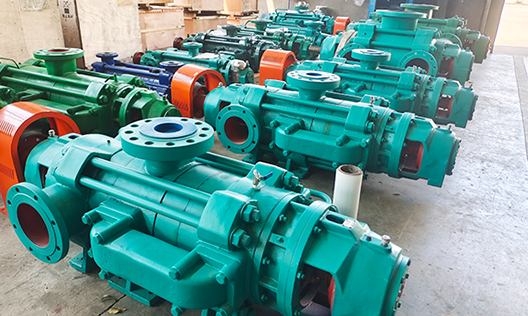
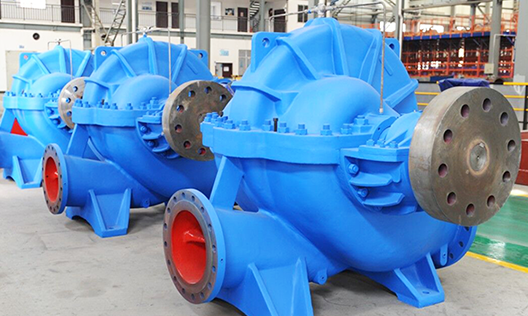
Puede fabricar 26 series de productos, incluyendo bombas de circulación para grandes centrales eléctricas, bombas de condensación para grandes centrales eléctricas, bombas petroquímicas, bombas multietapa, bombas de aguas residuales y lodo, bombas multietapa autoequilibradas, bombas de doble succión y única etapa tipo split, y bombas centrífugas de succión simple y única etapa.
-
Cases
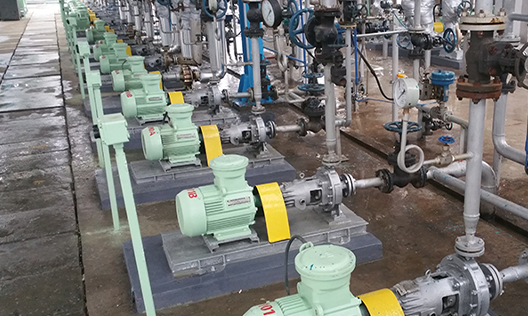
La elección de más de cientos de miles de clientes, cubriendo industrias como minería de carbón, metalurgia, química, energía, recursos hídricos, alimentos, municipalidades y protección ambiental, y exportando a Asia Sudeste, África, América y otros lugares.
-
Service
La empresa fue la primera en la industria en obtener las certificaciones internacionales del sistema de calidad ISO 9001:2008, del sistema de gestión ambiental ISO 14001 y del sistema de gestión de seguridad y salud ocupacional GB/T 28001, además de la certificación API 610 de la Asociación Estadounidense del Petróleo.
-
About us
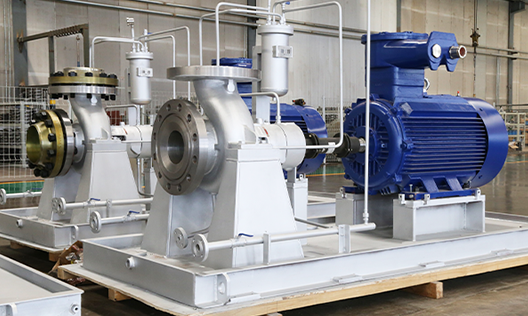
La empresa, fundada en 1989, es una empresa nacional de alta tecnología integral que integra diseño, investigación y desarrollo, fabricación y servicios; actualmente es una empresa clave en la industria china de bombas centrífugas y una de las grandes fábricas especializadas.
-

Blogs
Con productos innovadores, calidad excepcional y servicios integrales, buscamos la verdad y la pragmática, avanzamos con iniciativa, y nos esforzamos por lograr el objetivo de ser "la marca líder en el campo de aplicación de bombas centrífugas en el país"! Raigada en Hunan, orientada a todo el país y hacia el mundo!
Choosing the Right Quality Submersible Pump for Your Needs
Publication Date:
2025-12-26
Author:
Source:


Choosing the Right Quality Submersible Pump for Your Needs
Table of Contents
- 1. Introduction to Submersible Pumps
- 2. Types of Submersible Pumps
- 2.1 Water Submersible Pumps
- 2.2 Sewage Submersible Pumps
- 2.3 Drainage Submersible Pumps
- 2.4 Multistage Submersible Pumps
- 3. Key Features to Consider
- 4. Common Applications of Submersible Pumps
- 5. Maintenance Tips for Longevity
- 6. Expert Tips for Choosing the Right Pump
- 7. Conclusion
- 8. Frequently Asked Questions (FAQs)
1. Introduction to Submersible Pumps
Submersible pumps play a crucial role in various industrial and residential applications, particularly in managing water levels and transferring liquids efficiently. Unlike standard pumps, submersible pumps are designed to operate while submerged in the fluid they are pumping. This unique feature allows them to be more efficient and to work in a broader range of applications, making them an essential component in sectors such as construction, agriculture, and wastewater management.
Choosing the right quality submersible pump involves understanding its functionality, the specific needs of your project, and the various types available. This article aims to provide you with in-depth knowledge and practical insights on selecting the ideal submersible pump to ensure optimal performance and reliability.
2. Types of Submersible Pumps
When it comes to submersible pumps, various types cater to different needs and functionalities. Understanding these types can significantly affect your choice and ultimately influence the efficiency of your operations.
2.1 Water Submersible Pumps
Water submersible pumps are primarily utilized for transferring clean water. They are commonly employed in wells, aquariums, and for irrigation purposes. These pumps are characterized by their compact design and ability to handle a substantial volume of water at a relatively low cost. When selecting a water submersible pump, consider factors like flow rate, lift height, and energy efficiency.
2.2 Sewage Submersible Pumps
Sewage submersible pumps are specifically designed to handle wastewater and sewage. They come equipped with robust features to manage solids and debris without clogging. These pumps are commonly used in sewage treatment plants and for draining flooded areas. When choosing a sewage submersible pump, pay attention to its solids-handling capability, motor power, and build quality to ensure long-lasting performance.
2.3 Drainage Submersible Pumps
Drainage submersible pumps are essential for removing excess water from construction sites, basements, or any area prone to flooding. Designed to handle clean or slightly contaminated water, these pumps are capable of moving large volumes quickly. Features to consider include the pump’s capacity, float switch functionality, and compatibility with automatic operation systems.
2.4 Multistage Submersible Pumps
Multistage submersible pumps feature multiple impellers, allowing them to generate higher pressure and lift water to significant heights. These pumps are ideal for applications requiring high-pressure water delivery, such as irrigation and industrial processes. When selecting a multistage pump, consider the number of stages, flow rate, and the energy efficiency of the motor.
3. Key Features to Consider
Selecting the right submersible pump goes beyond just understanding its type. Various features influence performance, durability, and suitability for your specific application.
3.1 Pump Capacity
The pump capacity is a crucial factor in determining how well a submersible pump will meet your needs. Depending on the application, you may require a pump that can handle higher flow rates or one that operates efficiently under lower capacities. Evaluate your requirements carefully and match them with the pump specifications to ensure optimal performance.
3.2 Power Source
Submersible pumps can be powered by electricity, gasoline, or diesel. Electric submersible pumps are the most common, offering convenience and energy efficiency. However, gasoline or diesel pumps may be more suitable for remote locations where electricity is unavailable. Consider the availability of power sources in your area and your operational needs when selecting a power type.
3.3 Material Durability
The materials used in the construction of the submersible pump significantly impact its lifespan and performance. Common materials include stainless steel, cast iron, and thermoplastics. Stainless steel offers superior corrosion resistance, making it ideal for applications in aggressive environments. Assess the chemical composition of the liquids being pumped to determine the best material for your pump.
4. Common Applications of Submersible Pumps
Submersible pumps are versatile and are employed across various industries. Here are some common applications where these pumps excel:
- **Irrigation**: Efficiently moving water to agricultural fields.
- **Construction**: Draining excavations and keeping job sites dry.
- **Wastewater Management**: Transporting sewage and wastewater to treatment facilities.
- **Flood Control**: Removing water from flood-affected areas.
- **Aquaculture**: Maintaining water quality and levels in fish farming.
Understanding these applications helps in making an informed choice about the right submersible pump for your specific project.
5. Maintenance Tips for Longevity
Regular maintenance of your submersible pump is vital for ensuring its longevity and efficient performance. Here are some essential maintenance tips:
- **Routine Inspections**: Regularly check for any signs of wear and tear, leaks, or unusual noises.
- **Cleaning**: Remove debris and sediment buildup to prevent clogging.
- **Lubrication**: Ensure that moving parts are well-lubricated to minimize friction and wear.
- **Electrical Checks**: Periodically inspect electrical connections and wiring for signs of corrosion or damage.
- **Storage**: Store the pump properly during off-seasons to prevent damage from environmental factors.
Following these maintenance practices can significantly extend the lifespan of your submersible pump, ensuring reliable performance over the years.
6. Expert Tips for Choosing the Right Pump
To make an informed decision when purchasing a submersible pump, consider the following expert tips:
- **Assess Your Needs**: Clearly define the purpose of the pump and the specific requirements for your application.
- **Consult with Professionals**: Seek advice from industry experts or suppliers who can provide insights based on real-world experience.
- **Read Reviews**: Research customer reviews and testimonials to gauge the performance and reliability of potential pump models.
- **Warranty and Support**: Choose a pump from a reputable manufacturer that offers robust customer support and warranty options.
- **Cost vs. Quality**: While it may be tempting to choose the cheapest option, investing in a high-quality pump will save you money in the long run through reduced maintenance costs and enhanced durability.
By following these expert tips, you can select a submersible pump that not only meets your immediate needs but also serves you well into the future.
7. Conclusion
Choosing the right quality submersible pump is crucial for ensuring efficient operation in various applications, from agriculture to wastewater management. By understanding the different types, key features, and maintenance practices, you can make an informed decision that meets your specific needs. Always consider factors like pump capacity, power source, and material durability to ensure you select a pump that delivers optimal performance. With careful planning and consideration, you can invest in a submersible pump that serves you well for years to come.
8. Frequently Asked Questions (FAQs)
1. What is a submersible pump?
A submersible pump is a device designed to operate while submerged in the fluid it is pumping. It is commonly used for transferring water, sewage, and other liquids in various applications.
2. How do I determine the right size of a submersible pump?
To determine the right size, consider the flow rate (measured in gallons per minute) and the total head (the height the pump needs to lift the water). Assess your specific needs based on the application to find a suitable pump size.
3. Can submersible pumps be used for contaminated water?
Yes, certain submersible pumps, such as sewage and drainage pumps, are designed to handle contaminated or slightly dirty water. Be sure to choose a pump specifically rated for such applications.
4. How often should I perform maintenance on my submersible pump?
Routine maintenance should be performed at least once a year, but more frequent checks may be necessary based on usage and the conditions under which the pump operates.
5. What are the signs that my submersible pump needs replacement?
Signs include unusual noises, reduced performance, visible leaks, or frequent breakdowns. Regular inspections can help you catch these issues early before they worsen.
By keeping these FAQs in mind, you can further enhance your understanding of submersible pumps and make informed decisions tailored to your specific needs.
Recommended Information


Related Products
Perhaps you also want to know?
Zoomlian Pump Industry
Address:No. 210, Environmental Protection Middle Road, Yuhua Economic Development Zone, Changsha City, Hunan Province China
All rights reserved © Changsha Zoomlian Pump Co., Ltd.
This website supports IPv4 IPv6 bidirectional access
Website construction:Zhongqi Power Changsha