

-
Products
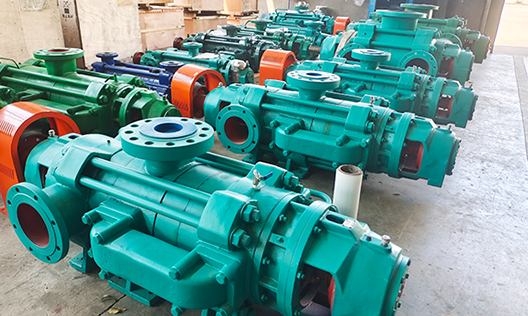
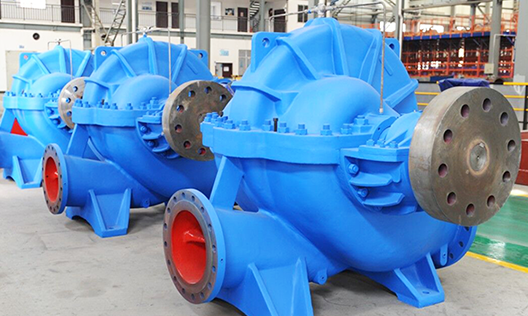
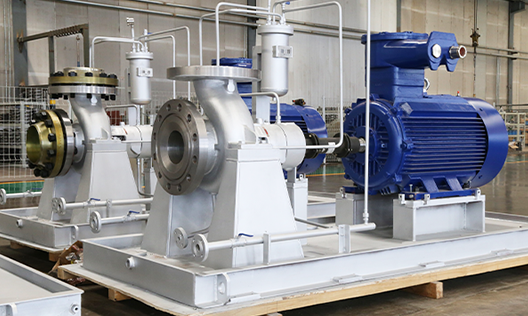
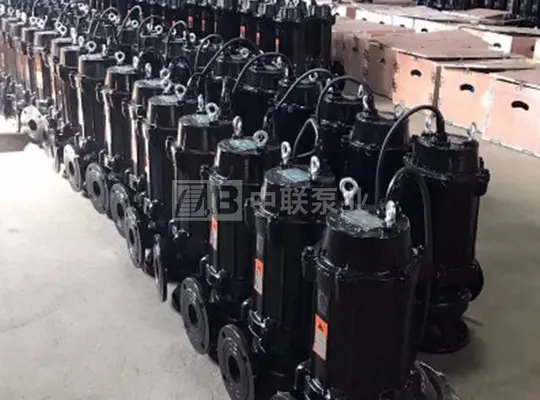
Puede fabricar 26 series de productos, incluyendo bombas de circulación para grandes centrales eléctricas, bombas de condensación para grandes centrales eléctricas, bombas petroquímicas, bombas multietapa, bombas de aguas residuales y lodo, bombas multietapa autoequilibradas, bombas de doble succión y única etapa tipo split, y bombas centrífugas de succión simple y única etapa.
-
Cases
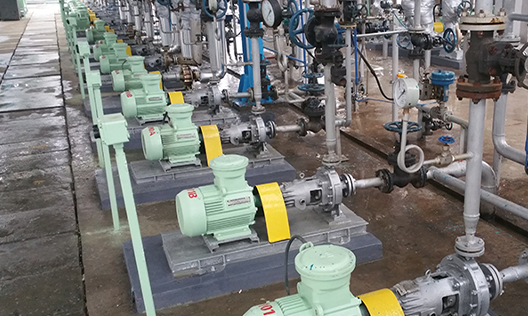
La elección de más de cientos de miles de clientes, cubriendo industrias como minería de carbón, metalurgia, química, energía, recursos hídricos, alimentos, municipalidades y protección ambiental, y exportando a Asia Sudeste, África, América y otros lugares.
-
Service
La empresa fue la primera en la industria en obtener las certificaciones internacionales del sistema de calidad ISO 9001:2008, del sistema de gestión ambiental ISO 14001 y del sistema de gestión de seguridad y salud ocupacional GB/T 28001, además de la certificación API 610 de la Asociación Estadounidense del Petróleo.
-
About us
La empresa, fundada en 1989, es una empresa nacional de alta tecnología integral que integra diseño, investigación y desarrollo, fabricación y servicios; actualmente es una empresa clave en la industria china de bombas centrífugas y una de las grandes fábricas especializadas.
-

Blogs
Con productos innovadores, calidad excepcional y servicios integrales, buscamos la verdad y la pragmática, avanzamos con iniciativa, y nos esforzamos por lograr el objetivo de ser "la marca líder en el campo de aplicación de bombas centrífugas en el país"! Raigada en Hunan, orientada a todo el país y hacia el mundo!
The Importance of Flow Rate in Selecting Durable Long Shaft Pumps
Publication Date:
2025-12-18
Author:
Source:


The Importance of Flow Rate in Selecting Durable Long Shaft Pumps
Choosing the right pump for your industrial needs is crucial to ensuring efficiency and longevity. Among the myriad factors to consider, **flow rate** stands out as a pivotal criterion. It not only determines how effectively a pump will perform but also influences its durability and suitability for specific applications. In this article, we will delve deep into the significance of flow rate in selecting durable long shaft pumps, outlining the intricacies involved and providing essential insights to guide your decision-making process.
Understanding Flow Rate: A Crucial Metric
Flow rate refers to the volume of fluid that a pump can move within a given period, usually measured in liters per minute (L/min) or gallons per minute (GPM). Understanding the concept of flow rate is fundamental to selecting the appropriate pump for your application.
Why Flow Rate Matters
The flow rate not only affects the efficiency of the pump but also impacts the overall system's performance. If a pump operates below the required flow rate, it may lead to insufficient fluid delivery, affecting production processes. Conversely, exceeding the recommended flow rate can cause excessive wear and tear, leading to premature failure.
Flow Rate Specifications in Long Shaft Pumps
When selecting a long shaft pump, it's vital to look for flow rate specifications provided by manufacturers. These specifications typically indicate the maximum flow rate under optimal conditions. However, factors such as viscosity, temperature, and system design can affect actual performance.
Factors Influencing Flow Rate Selection
Understanding flow rate parameters is essential, but several factors influence the selection of the right flow rate for your application.
1. Application Requirements
Different industrial applications demand varying flow rates. For instance, a chemical processing plant may require a continuous flow of corrosive liquids, while a water treatment facility might need a variable flow rate depending on the treatment stage.
2. Pump Design and Configuration
The design and configuration of long shaft pumps can affect their flow rates. Vertical long shaft pumps, for instance, are often preferred for deep applications due to their ability to maintain consistent flow rates even in varying conditions.
3. System Head and Pressure Loss
The total dynamic head (TDH) is crucial in determining how much pressure the pump needs to overcome to maintain a specific flow rate. Pressure losses due to friction in pipes and fittings can significantly affect flow rate, necessitating a careful calculation during the selection process.
4. Fluid Properties
The viscosity, density, and chemical composition of the fluid being pumped can also influence flow rates. More viscous fluids require more energy to move, which can reduce the flow rate if the pump isn’t adequately sized.
Common Applications for Long Shaft Pumps
Long shaft pumps are employed across various industries, each with unique flow rate requirements.
1. Wastewater Treatment
In wastewater treatment plants, consistent flow rates are critical for effective processing. Long shaft pumps are often used to transport sewage and sludge, where varying flow rates can impact the treatment efficiency.
2. Chemical Processing
In chemical plants, precise flow rates are vital. Long shaft pumps must handle corrosive and hazardous fluids, and optimal flow rates ensure the safe and efficient transfer of materials.
3. Agricultural Irrigation
Long shaft pumps are also used in irrigation systems, where flow rate directly correlates to crop yield. Properly selected pumps help maintain consistent water supply to agricultural fields.
How to Determine the Right Flow Rate for Your Application
Selecting the correct flow rate involves more than just checking specifications. It requires a comprehensive understanding of your operational needs.
1. Assessing Operational Demands
Evaluate your system's requirements by considering the total volume of fluid needed and the time frame for delivery. This helps in determining the minimum and maximum flow rates necessary for efficient operation.
2. Consulting with Manufacturers
Engaging with pump manufacturers can provide valuable insights into flow rates and pump performance. They can offer recommendations tailored to your unique application and help identify any technical specifications that may be critical.
3. Performing Flow Rate Calculations
Utilize formulas to calculate the flow rate based on the system's characteristics. The basic formula is:
**Flow Rate (Q) = Velocity (v) x Cross-sectional Area (A)**
Where velocity is the speed of the fluid and cross-sectional area is the area of the pipe through which the fluid flows.
Benefits of Selecting the Right Flow Rate
Choosing the correct flow rate not only enhances the performance of long shaft pumps but also delivers multiple benefits.
1. Improved Efficiency
Pumps operating at the right flow rate maximize efficiency, reducing energy consumption and operational costs. Efficient pumps also translate to lower carbon footprints, contributing to sustainability goals.
2. Enhanced Durability
Selecting an appropriate flow rate minimizes stress on the pump components, leading to reduced wear and tear. This ultimately extends the lifespan of the pump, saving costs associated with premature replacements.
3. Consistent Performance
When pumps operate within their specified flow rates, they maintain consistent performance levels, which is vital for critical processes in industrial applications.
Common Mistakes When Selecting Flow Rate
Even seasoned professionals can make errors when determining flow rates. Here are some common pitfalls to avoid:
1. Underestimating Flow Rate Needs
Underrating the required flow rate can lead to inefficiencies and system failures. It’s essential to analyze current and future needs accurately.
2. Ignoring Fluid Components
The chemical composition and viscosity of the fluid being pumped should never be overlooked, as they can drastically affect the actual flow rate.
3. Neglecting System Changes
Operational changes, such as increased demand or system upgrades, can alter flow rate requirements. Regular assessments are necessary to ensure alignment with current needs.
FAQs About Flow Rate and Long Shaft Pumps
1. What is the ideal flow rate for long shaft pumps?
The ideal flow rate depends on the specific application and system requirements. Consult with manufacturers to determine the best flow rate for your needs.
2. How does viscosity affect flow rate?
Higher viscosity fluids require more energy to move, which can reduce the flow rate if the pump isn’t sized appropriately.
3. Can I adjust the flow rate of a long shaft pump?
Yes, many pumps come with adjustable mechanisms to alter the flow rate according to operational needs.
4. What are the signs of incorrect flow rate selection?
Signs include decreased efficiency, increased energy consumption, and frequent maintenance issues.
5. How can I improve my pump’s flow rate?
Improving flow rate can be achieved through proper pump selection, routine maintenance, and ensuring the system design minimizes friction losses.
Conclusion
Selecting the right flow rate is crucial in choosing durable long shaft pumps, impacting efficiency, performance, and longevity. By understanding the various factors influencing flow rate, assessing application requirements, and avoiding common mistakes, industries can make informed decisions that enhance operational effectiveness and reduce costs. Investing time in the selection process pays off in the form of reliable, efficient, and durable pumping solutions that meet the demands of modern industrial applications.
Recommended Information



Related Products
Perhaps you also want to know?
Zoomlian Pump Industry
Address:No. 210, Environmental Protection Middle Road, Yuhua Economic Development Zone, Changsha City, Hunan Province China
All rights reserved © Changsha Zoomlian Pump Co., Ltd.
This website supports IPv4 IPv6 bidirectional access
Website construction:Zhongqi Power Changsha