

-
Products
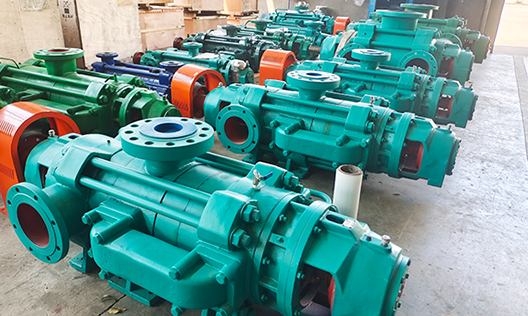
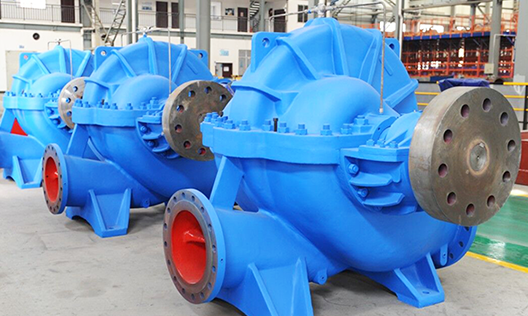
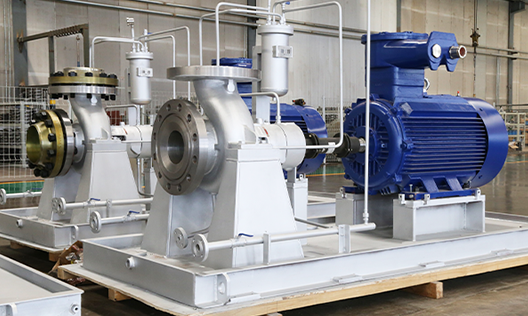
Puede fabricar 26 series de productos, incluyendo bombas de circulación para grandes centrales eléctricas, bombas de condensación para grandes centrales eléctricas, bombas petroquímicas, bombas multietapa, bombas de aguas residuales y lodo, bombas multietapa autoequilibradas, bombas de doble succión y única etapa tipo split, y bombas centrífugas de succión simple y única etapa.
-
Cases
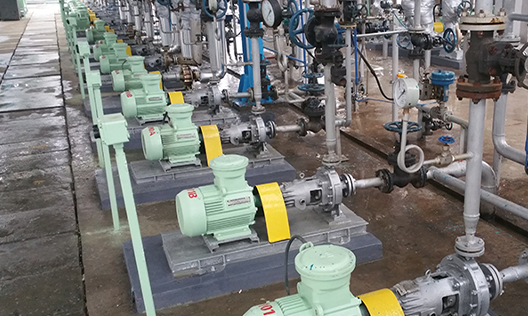
La elección de más de cientos de miles de clientes, cubriendo industrias como minería de carbón, metalurgia, química, energía, recursos hídricos, alimentos, municipalidades y protección ambiental, y exportando a Asia Sudeste, África, América y otros lugares.
-
Service
La empresa fue la primera en la industria en obtener las certificaciones internacionales del sistema de calidad ISO 9001:2008, del sistema de gestión ambiental ISO 14001 y del sistema de gestión de seguridad y salud ocupacional GB/T 28001, además de la certificación API 610 de la Asociación Estadounidense del Petróleo.
-
About us
La empresa, fundada en 1989, es una empresa nacional de alta tecnología integral que integra diseño, investigación y desarrollo, fabricación y servicios; actualmente es una empresa clave en la industria china de bombas centrífugas y una de las grandes fábricas especializadas.
-

Blogs
Con productos innovadores, calidad excepcional y servicios integrales, buscamos la verdad y la pragmática, avanzamos con iniciativa, y nos esforzamos por lograr el objetivo de ser "la marca líder en el campo de aplicación de bombas centrífugas en el país"! Raigada en Hunan, orientada a todo el país y hacia el mundo!
Unlocking Efficiency: How Quality Centrifugal Pumps Transform Industrial Operations
Publication Date:
2025-12-14
Author:
Source:


Unlocking Efficiency: How Quality Centrifugal Pumps Transform Industrial Operations
Table of Contents
- 1. What Are Centrifugal Pumps?
- 2. The Importance of Centrifugal Pumps in Industry
- 3. How Centrifugal Pumps Operate
- 4. Types of Centrifugal Pumps
- 5. Benefits of Quality Centrifugal Pumps
- 6. Factors to Consider When Choosing Your Centrifugal Pump
- 7. Applications of Centrifugal Pumps in Various Industries
- 8. Maintenance and Reliability of Centrifugal Pumps
- 9. Frequently Asked Questions
- 10. Conclusion
1. What Are Centrifugal Pumps?
Centrifugal pumps are mechanical devices used to move fluids by converting rotational kinetic energy into hydrodynamic energy. Made up of a rotating impeller and a casing, these pumps utilize centrifugal force to transport liquids through piping systems. Their design allows for efficient fluid handling, making them a backbone in numerous industrial processes.
2. The Importance of Centrifugal Pumps in Industry
Centrifugal pumps are crucial in various sectors, including manufacturing, chemical processing, water treatment, and energy generation. Their ability to transport large volumes of liquid efficiently and reliably makes them indispensable. As industries strive for efficiency and cost-effectiveness, the role of quality centrifugal pumps becomes even more pronounced. By ensuring seamless fluid movement, these pumps contribute significantly to operational productivity and minimized downtime.
3. How Centrifugal Pumps Operate
Understanding the operational principles of centrifugal pumps helps in appreciating their efficiency. When the pump is activated, the impeller spins, drawing the liquid into the pump casing through the inlet. The liquid is then accelerated outward by the impeller's blades, increasing its velocity and pressure as it exits through the discharge outlet. This mechanism allows for effective fluid movement even against high pressures, showcasing the versatility of centrifugal pumps in various applications.
4. Types of Centrifugal Pumps
There are several types of centrifugal pumps, each designed for specific applications:
4.1 Single-Stage Centrifugal Pumps
Single-stage centrifugal pumps have one impeller and are ideal for low-pressure applications, such as water supply systems.
4.2 Multi-Stage Centrifugal Pumps
Multi-stage pumps contain multiple impellers, making them suitable for high-pressure applications, such as boiler feedwater systems in power plants.
4.3 Self-Priming Centrifugal Pumps
These pumps can remove air from the suction line, making them ideal for applications where the pump could be above the fluid source.
4.4 Submersible Centrifugal Pumps
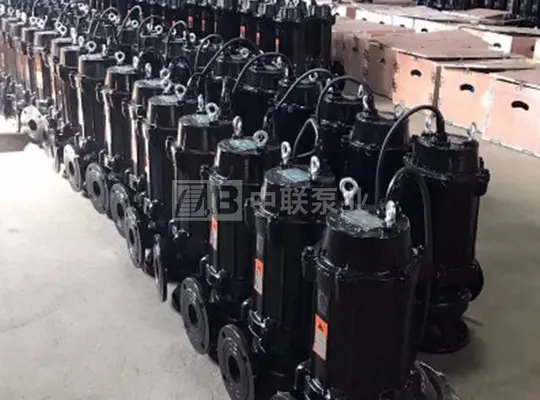
Designed to operate while submerged in the fluid, these pumps are commonly used for dewatering and sewage applications.
5. Benefits of Quality Centrifugal Pumps
Investing in quality centrifugal pumps yields numerous benefits:
5.1 Enhanced Efficiency
High-quality pumps offer improved energy efficiency, reducing operational costs over time.
5.2 Increased Reliability
Quality pumps are built to withstand harsh conditions, ensuring consistent performance and minimizing downtime.
5.3 Cost-Effectiveness
While the initial cost may be higher, quality pumps require less maintenance and have longer lifespans, leading to lower total ownership costs.
5.4 Versatility
Centrifugal pumps can handle various liquids, including corrosive and viscous fluids, making them adaptable to numerous applications.
6. Factors to Consider When Choosing Your Centrifugal Pump
Selecting the appropriate centrifugal pump involves analyzing several critical factors:
6.1 Flow Rate Requirements
Determine the required flow rate for your application to ensure the pump can meet your operational needs.
6.2 Fluid Characteristics
Consider the viscosity, temperature, and chemical compatibility of the fluids to ensure the pump materials can withstand them.
6.3 Operating Environment
Assess the working environment, including the presence of corrosive substances, to select a pump designed for such conditions.
6.4 Maintenance Needs
Evaluate the ease of maintenance and availability of replacement parts, as this can impact your long-term operational efficiency.
7. Applications of Centrifugal Pumps in Various Industries
Centrifugal pumps find applications across a vast array of industries:
7.1 Chemical Industry
In chemical processing, centrifugal pumps transport various liquids, including acids and solvents, crucial for production lines.
7.2 Food and Beverage Industry
These pumps are used for transferring liquids in food processing, ensuring hygiene and compliance with safety standards.
7.3 Oil and Gas Industry
Centrifugal pumps facilitate the movement of crude oil and refined products, playing a vital role in the energy sector.
7.4 Water and Wastewater Treatment
In municipal water treatment facilities, centrifugal pumps are essential for moving water through filtration and purification processes.
8. Maintenance and Reliability of Centrifugal Pumps
To ensure the longevity and reliability of centrifugal pumps, regular maintenance is essential. Key maintenance practices include:
8.1 Regular Inspections
Routine checks can help identify potential issues before they lead to pump failure. Look for signs of wear and unusual vibrations.
8.2 Lubrication
Proper lubrication of moving parts minimizes friction and wear, enhancing pump performance.
8.3 Seal Replacement
Regularly inspect and replace seals to prevent leaks, which can lead to operational disruptions and increased maintenance costs.
8.4 Performance Monitoring
Implement monitoring systems to track pump efficiency and performance metrics, allowing for timely interventions when necessary.
9. Frequently Asked Questions
9.1 What factors affect the performance of a centrifugal pump?
The performance of a centrifugal pump can be influenced by fluid viscosity, temperature, suction lift, and the pump's design features.
9.2 How do I choose the right centrifugal pump for my application?
Consider flow rate, fluid characteristics, operating environment, and maintenance needs when selecting a pump.
9.3 What maintenance is required for centrifugal pumps?
Regular inspections, lubrication, seal replacements, and performance monitoring are essential for maintaining centrifugal pumps.
9.4 How can I improve the efficiency of my existing centrifugal pump?
Regular maintenance, ensuring proper alignment, and optimizing operating conditions can enhance the efficiency of existing pumps.
9.5 What are common applications for centrifugal pumps in industrial settings?
Centrifugal pumps are used in various industries, including chemical processing, food and beverage production, oil and gas, and water treatment.
10. Conclusion
In the realm of industrial operations, the significance of quality centrifugal pumps cannot be overstated. Their ability to enhance efficiency, reliability, and cost-effectiveness positions them as essential components in various applications. By understanding their operation, types, and maintenance requirements, businesses can make informed decisions that optimize their processes. Investing in high-quality centrifugal pumps not only ensures smooth operations but also leads to substantial long-term savings, ultimately transforming industrial operations for the better.
Previous:
Recommended Information



Related Products
Perhaps you also want to know?
Zoomlian Pump Industry
Address:No. 210, Environmental Protection Middle Road, Yuhua Economic Development Zone, Changsha City, Hunan Province China
All rights reserved © Changsha Zoomlian Pump Co., Ltd.
This website supports IPv4 IPv6 bidirectional access
Website construction:Zhongqi Power Changsha