

-
Products
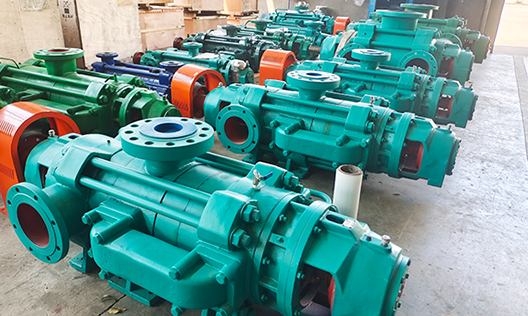
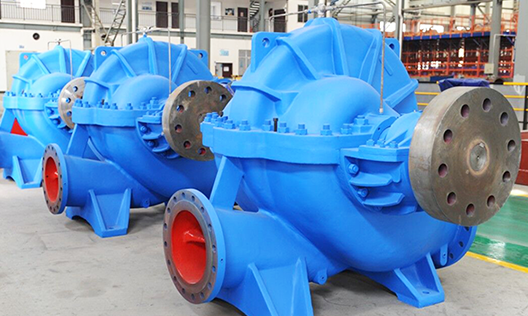
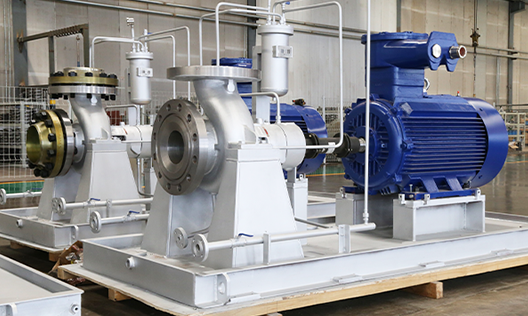
Puede fabricar 26 series de productos, incluyendo bombas de circulación para grandes centrales eléctricas, bombas de condensación para grandes centrales eléctricas, bombas petroquímicas, bombas multietapa, bombas de aguas residuales y lodo, bombas multietapa autoequilibradas, bombas de doble succión y única etapa tipo split, y bombas centrífugas de succión simple y única etapa.
-
Cases
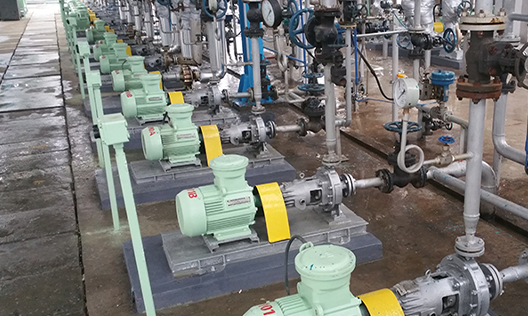
La elección de más de cientos de miles de clientes, cubriendo industrias como minería de carbón, metalurgia, química, energía, recursos hídricos, alimentos, municipalidades y protección ambiental, y exportando a Asia Sudeste, África, América y otros lugares.
-
Service
La empresa fue la primera en la industria en obtener las certificaciones internacionales del sistema de calidad ISO 9001:2008, del sistema de gestión ambiental ISO 14001 y del sistema de gestión de seguridad y salud ocupacional GB/T 28001, además de la certificación API 610 de la Asociación Estadounidense del Petróleo.
-
About us
La empresa, fundada en 1989, es una empresa nacional de alta tecnología integral que integra diseño, investigación y desarrollo, fabricación y servicios; actualmente es una empresa clave en la industria china de bombas centrífugas y una de las grandes fábricas especializadas.
-

Blogs
Con productos innovadores, calidad excepcional y servicios integrales, buscamos la verdad y la pragmática, avanzamos con iniciativa, y nos esforzamos por lograr el objetivo de ser "la marca líder en el campo de aplicación de bombas centrífugas en el país"! Raigada en Hunan, orientada a todo el país y hacia el mundo!
A Comprehensive Exploration of Horizontal Multistage Pumps: Unraveling Their Mechanisms and Applications
Publication Date:
2025-12-10
Author:
Source:


A Comprehensive Exploration of Horizontal Multistage Pumps: Unraveling Their Mechanisms and Applications
Table of Contents
- 1. Introduction to Horizontal Multistage Pumps
- 2. Understanding the Mechanisms of Horizontal Multistage Pumps
- 3. Applications of Horizontal Multistage Pumps
- 4. Advantages of Using Horizontal Multistage Pumps
- 5. Maintenance Best Practices
- 6. Troubleshooting Common Issues
- 7. Conclusion
- 8. Frequently Asked Questions
1. Introduction to Horizontal Multistage Pumps
Horizontal multistage pumps are essential devices widely utilized in various industries for their efficiency and versatility. These pumps are designed to handle large volumes of liquids at high pressures, making them ideal for applications ranging from water supply and irrigation to chemical processing and oil extraction. Understanding the mechanics of these pumps allows engineers and technicians to optimize their performance and ensure longevity.
In this article, we explore the intricate design and functionality of horizontal multistage pumps, the benefits they offer, and their varied applications in different sectors.
2. Understanding the Mechanisms of Horizontal Multistage Pumps
Horizontal multistage pumps operate based on centrifugal force, which is generated by rotating impellers. This section delves deeper into the specific mechanisms that enable these pumps to perform efficiently.
2.1 Design Features of Horizontal Multistage Pumps
The design of horizontal multistage pumps is characterized by several key components:
1. **Impellers**: The heart of the pump, impellers are designed to spin at high speeds, creating a centrifugal force that propels liquid through the pump.
2. **Stages**: These pumps consist of multiple impellers (stages) arranged in series. Each stage increases the pressure of the fluid, allowing for significant lift and flow rates.
3. **Diffusers**: These components convert kinetic energy into pressure energy. After the liquid passes through the impeller, the diffuser slows it down, increasing pressure.
4. **Volutes**: The volute helps direct the flow of the liquid towards the discharge, ensuring smooth operational efficiency.
5. **Suction and Discharge Ports**: The suction port allows the external liquid to enter the pump, while the discharge port releases the pressurized liquid.
The combination of these features contributes to the pump's ability to handle high-pressure applications effectively.
2.2 How Horizontal Multistage Pumps Operate
The operation of horizontal multistage pumps follows a systematic process:
- **Fluid Entry**: Liquid enters through the suction port and fills the pump casing.
- **Centrifugal Action**: As the impellers rotate, they impart kinetic energy to the liquid, transforming it into high-velocity flow.
- **Pressure Increase**: The series of impellers increases the pressure of the liquid with each stage.
- **Fluid Discharge**: The pressurized liquid exits the pump through the discharge port.
This cycle repeats continuously while the pump operates, ensuring a steady flow of liquid at high pressure.
3. Applications of Horizontal Multistage Pumps
Horizontal multistage pumps are versatile and find applications across a wide range of industries. Their ability to handle high volumes and pressures makes them suitable for specific tasks.
3.1 Industrial Applications
In industrial settings, horizontal multistage pumps are utilized for:
- **Water Supply Systems**: Providing potable water for municipalities and industries.
- **Irrigation**: Supplying water to agricultural fields, enhancing crop yield.
- **Cooling Systems**: Circulating water in cooling towers for power plants and manufacturing facilities.
- **Chemical Processing**: Transporting corrosive liquids and chemicals.
The robust design of these pumps ensures reliable operation even in demanding environments.
3.2 Commercial and Civil Applications
Beyond industrial uses, horizontal multistage pumps also support various commercial and civil applications, such as:
- **Building Services**: Supplying water for heating, cooling, and plumbing systems in residential and commercial buildings.
- **Fire Protection Systems**: Ensuring adequate water pressure for fire suppression systems.
- **Aquaculture**: Providing water circulation in fish farms for optimal aquatic life health.
Their adaptability makes them indispensable in modern infrastructure.
4. Advantages of Using Horizontal Multistage Pumps
The use of horizontal multistage pumps offers several notable advantages, including:
1. **High Efficiency**: These pumps are designed for optimal energy consumption, reducing operational costs.
2. **Variable Flow Rates**: The multi-stage design allows for adjustments to flow rates without compromising pressure.
3. **Long Lifespan**: Sturdy construction and minimal moving parts contribute to their durability.
4. **Easy Maintenance**: The horizontal configuration simplifies access for repairs and servicing.
5. **Versatility**: Suitable for a wide range of liquids, including water, chemicals, and slurries.
These benefits make horizontal multistage pumps a popular choice in various sectors.
5. Maintenance Best Practices
To ensure the longevity and efficiency of horizontal multistage pumps, regular maintenance is essential. Here are some best practices:
- **Regular Inspections**: Periodically examine the pump for signs of wear or damage. Check seals, bearings, and impellers for integrity.
- **Lubrication**: Ensure that all moving parts are adequately lubricated to minimize friction and wear.
- **Cleaning**: Remove any debris or sediment that may accumulate in the pump casing or filters.
- **Monitor Performance**: Keep track of flow rates, pressure, and energy consumption to identify any deviations from normal operating conditions.
Implementing a proactive maintenance schedule can prevent costly breakdowns and extend the pump's operational life.
6. Troubleshooting Common Issues
Despite their durability, horizontal multistage pumps may encounter issues over time. Here are common problems and their potential solutions:
- **Reduced Flow Rate**: This may indicate a blockage or wear in the impellers. Inspect and clean the pump as needed.
- **Increased Noise or Vibration**: Unusual sounds can signal misalignment or bearing failure. Check the alignment and replace bearings if necessary.
- **Overheating**: Overheating can result from insufficient lubrication or high ambient temperatures. Ensure proper cooling and lubrication.
- **Leakage**: Leakage around the seals may be due to wear or improper installation. Inspect seals and replace them as needed.
Timely troubleshooting can mitigate more significant issues and ensure reliable performance.
7. Conclusion
Horizontal multistage pumps play a vital role in numerous industrial and commercial applications due to their efficiency, durability, and versatility. Understanding their mechanisms, advantages, and maintenance practices is essential for optimizing their performance and longevity. By integrating these pumps into various systems, industries can enhance operational efficiency and reliability.
We encourage engineers and technicians to familiarize themselves with these mechanisms and adopt best maintenance practices. This knowledge not only improves the functionality of horizontal multistage pumps but also contributes to the overall success of industrial operations.
8. Frequently Asked Questions
1. What is the primary function of horizontal multistage pumps?
The primary function of horizontal multistage pumps is to transport liquids at high pressures and flow rates, making them suitable for various applications such as water supply, irrigation, and chemical processing.
2. How do I determine the right size of a horizontal multistage pump for my application?
To determine the appropriate pump size, consider factors like the required flow rate, the total dynamic head (TDH), and the nature of the liquid being pumped. Consulting pump specifications and guidelines can help.
3. What are the common materials used in the construction of horizontal multistage pumps?
Common materials include cast iron, stainless steel, and various alloys, chosen based on the liquid being pumped and the operating environment.
4. How often should I perform maintenance on my horizontal multistage pump?
Regular maintenance should be performed based on the manufacturer's recommendations. Generally, a quarterly inspection and annual comprehensive maintenance check are advisable.
5. Can horizontal multistage pumps handle corrosive liquids?
Yes, many horizontal multistage pumps can be designed to handle corrosive liquids by using specialized materials and coatings. It is essential to select a pump specifically engineered for such applications.
By exploring the design, operation, and maintenance of horizontal multistage pumps, we provide a comprehensive resource that serves the needs of professionals in the industry, enhancing their understanding and application of these critical devices.
Recommended Information



Related Products
Perhaps you also want to know?
Zoomlian Pump Industry
Address:No. 210, Environmental Protection Middle Road, Yuhua Economic Development Zone, Changsha City, Hunan Province China
All rights reserved © Changsha Zoomlian Pump Co., Ltd.
This website supports IPv4 IPv6 bidirectional access
Website construction:Zhongqi Power Changsha