

-
Products
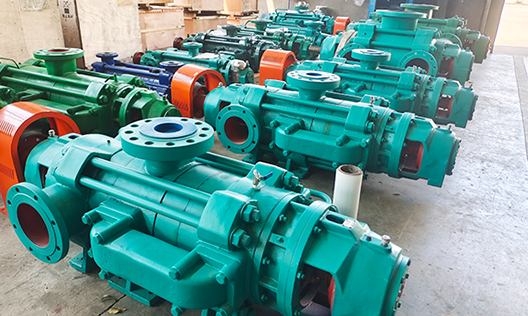
Puede fabricar 26 series de productos, incluyendo bombas de circulación para grandes centrales eléctricas, bombas de condensación para grandes centrales eléctricas, bombas petroquímicas, bombas multietapa, bombas de aguas residuales y lodo, bombas multietapa autoequilibradas, bombas de doble succión y única etapa tipo split, y bombas centrífugas de succión simple y única etapa.
-
Cases
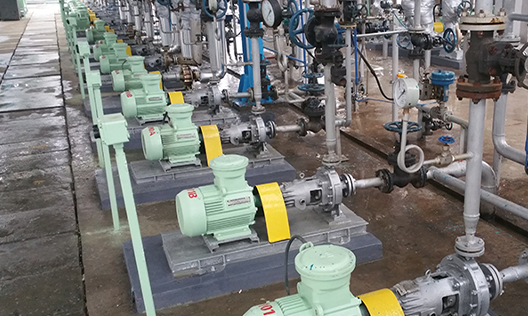
La elección de más de cientos de miles de clientes, cubriendo industrias como minería de carbón, metalurgia, química, energía, recursos hídricos, alimentos, municipalidades y protección ambiental, y exportando a Asia Sudeste, África, América y otros lugares.
-
Service
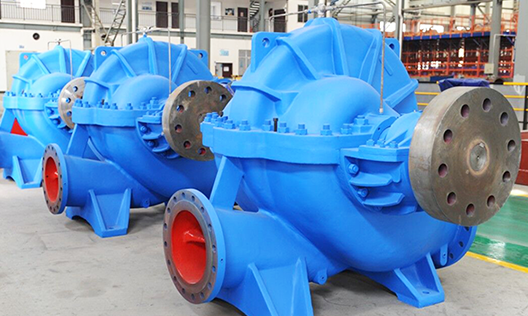
La empresa fue la primera en la industria en obtener las certificaciones internacionales del sistema de calidad ISO 9001:2008, del sistema de gestión ambiental ISO 14001 y del sistema de gestión de seguridad y salud ocupacional GB/T 28001, además de la certificación API 610 de la Asociación Estadounidense del Petróleo.
-
About us
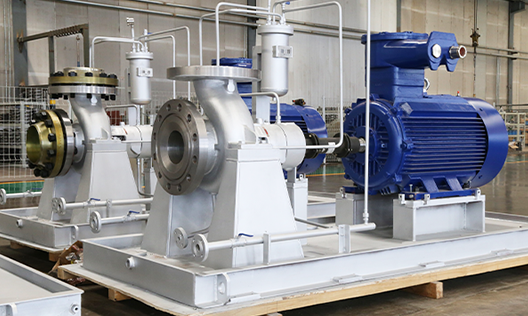
La empresa, fundada en 1989, es una empresa nacional de alta tecnología integral que integra diseño, investigación y desarrollo, fabricación y servicios; actualmente es una empresa clave en la industria china de bombas centrífugas y una de las grandes fábricas especializadas.
-

Blogs
Con productos innovadores, calidad excepcional y servicios integrales, buscamos la verdad y la pragmática, avanzamos con iniciativa, y nos esforzamos por lograr el objetivo de ser "la marca líder en el campo de aplicación de bombas centrífugas en el país"! Raigada en Hunan, orientada a todo el país y hacia el mundo!
Understanding the Critical Role of OEM Boiler Feed Pumps in Industrial Systems
Publication Date:
2025-12-06
Author:
Source:


Understanding the Critical Role of OEM Boiler Feed Pumps in Industrial Systems
Table of Contents
- Introduction to OEM Boiler Feed Pumps
- What are OEM Boiler Feed Pumps?
- Importance of OEM Boiler Feed Pumps in Industrial Systems
- Design and Technology of OEM Boiler Feed Pumps
- Enhancing Operational Efficiency with OEM Boiler Feed Pumps
- Maintenance Considerations for OEM Boiler Feed Pumps
- Troubleshooting Common Issues with OEM Boiler Feed Pumps
- FAQs
- Conclusion
Introduction to OEM Boiler Feed Pumps
In industrial settings, maintaining efficient and reliable steam generation is paramount. **OEM boiler feed pumps** play a crucial role in ensuring that boilers operate effectively by supplying water at the right pressure and flow rates. This article delves into the essential functions, benefits, and operational aspects of these pumps, helping you understand why they are integral to industrial systems.
What are OEM Boiler Feed Pumps?
**OEM boiler feed pumps** (Original Equipment Manufacturer) are specialized pumps designed to feed water into a steam boiler. These pumps are engineered to handle the specific requirements of boiler systems, ensuring optimal performance. They differ from standard pumps due to their design, materials, and functionality, which are tailored to withstand high temperatures and pressures.
Components of OEM Boiler Feed Pumps
Typically, OEM boiler feed pumps consist of several key components, including:
- **Pump casing**: Designed to contain the pump and resist internal pressures.
- **Impeller**: The rotating component that imparts energy to the fluid, increasing its pressure and flow.
- **Seals and bearings**: Essential for preventing leaks and ensuring smooth operation.
- **Motor and drive system**: Provides the necessary power to operate the pump.
Importance of OEM Boiler Feed Pumps in Industrial Systems
The role of OEM boiler feed pumps extends beyond merely supplying water to a boiler. Their importance in industrial systems can be highlighted through several key functions:
1. Ensuring Consistent Water Supply
A reliable water supply is vital for steam generation in boilers. OEM boiler feed pumps maintain a **consistent flow**, preventing boiler dry-out and ensuring efficient operation.
2. Enhancing Energy Efficiency
By efficiently delivering water to the boiler, these pumps contribute to **energy savings**. Properly sized and maintained pumps help minimize energy consumption, leading to lower operational costs.
3. Supporting Safety Standards
Safety is a critical aspect of industrial operations. OEM boiler feed pumps are designed with safety features to prevent overheating and pressure build-up, thus mitigating the risk of accidents.
4. Facilitating Effective Troubleshooting
Understanding the operational characteristics of OEM boiler feed pumps enables quick identification of issues, minimizing downtime and enhancing overall system reliability.
Design and Technology of OEM Boiler Feed Pumps
Modern OEM boiler feed pumps incorporate advanced design features and technologies that enhance their performance and reliability.
1. Materials Used in Construction
The materials used in the construction of OEM boiler feed pumps are critical, as they must withstand high temperatures and corrosive environments. Common materials include:
- **Stainless steel**: Offers excellent corrosion resistance.
- **Cast iron**: Provides strength and durability.
- **Nickel alloys**: Used for severe service conditions.
2. Advanced Pump Technologies
Several advanced technologies improve the operation of OEM boiler feed pumps:
- **Variable frequency drives (VFDs)**: Allow for precise control of pump speed, optimizing energy use.
- **Smart monitoring systems**: Enable real-time performance tracking and predictive maintenance.
Enhancing Operational Efficiency with OEM Boiler Feed Pumps
Improving the efficiency of OEM boiler feed pumps is essential for maximizing the overall productivity of industrial systems.
1. Proper Sizing and Selection
Choosing the right size and type of boiler feed pump is critical. Oversized or undersized pumps can lead to inefficiencies, reduced performance, and increased wear. Conducting a thorough analysis of the system requirements will ensure optimal pump selection.
2. Regular Maintenance and Inspections
Routine maintenance is vital for the longevity and efficiency of OEM boiler feed pumps. Regular inspections help identify wear and tear, ensuring that components operate within their specified parameters.
3. System Integration
Integrating boiler feed pumps with other system components, such as control valves and sensors, enhances operational efficiency. Coordinated operation leads to better performance and energy consumption.
Maintenance Considerations for OEM Boiler Feed Pumps
To ensure the longevity and reliability of OEM boiler feed pumps, several maintenance practices should be adopted.
1. Routine Inspection
Regular inspections should focus on:
- **Seals and gaskets**: Check for leaks and wear.
- **Bearings**: Listen for unusual noises indicating wear.
- **Casing integrity**: Inspect for cracks or corrosion.
2. Lubrication
Maintaining proper lubrication of moving parts is essential in reducing friction and wear, ensuring smooth operation. Follow the manufacturer's specifications for lubricant types and intervals.
3. Performance Monitoring
Implementing performance monitoring systems can provide valuable insights into pump operation. Anomalies in flow rate or pressure can indicate potential issues that need addressing.
Troubleshooting Common Issues with OEM Boiler Feed Pumps
Despite their robust design, OEM boiler feed pumps may encounter issues that require prompt attention.
1. Low Flow Rate
A decrease in flow rate can be caused by:
- Clogged filters or strainers.
- Impeller damage or wear.
- System leaks.
2. Excessive Vibration
Vibration may indicate:
- Misalignment of the pump and motor.
- Worn bearings.
- Cavitation due to insufficient water supply.
3. Overheating
Overheating can result from:
- Insufficient lubrication.
- Blocked cooling lines.
- Excessive pressure or flow resistance in the system.
FAQs
1. What is the primary function of OEM boiler feed pumps?
The primary function of OEM boiler feed pumps is to supply water to steam boilers, ensuring a consistent flow and pressure for efficient steam generation.
2. How often should OEM boiler feed pumps be maintained?
Regular maintenance should occur at least quarterly, with more frequent inspections recommended in high-demand applications.
3. What are the signs of a failing boiler feed pump?
Common signs of a failing boiler feed pump include unusual noises, decreased flow rates, overheating, and increased vibration.
4. Can I use a standard pump instead of an OEM boiler feed pump?
While standard pumps may function, they lack the specialized design and materials needed for the demanding conditions of boiler systems, which can lead to inefficiency and failures.
5. What types of materials are best for OEM boiler feed pumps?
Common materials include stainless steel for corrosion resistance, cast iron for durability, and nickel alloys for severe service environments.
Conclusion
OEM boiler feed pumps are indispensable components in industrial systems, ensuring the effective and efficient operation of steam boilers. Understanding their design, functionality, and maintenance requirements is essential for maximizing their performance and extending their lifespan. By investing in proper pump technology and regular upkeep, industrial facilities can achieve greater operational reliability and cost savings while maintaining safety standards. Adopting best practices in the selection and maintenance of OEM boiler feed pumps will not only enhance productivity but also contribute to the sustainability of industrial processes.
Recommended Information



Related Products
Perhaps you also want to know?
Zoomlian Pump Industry
Address:No. 210, Environmental Protection Middle Road, Yuhua Economic Development Zone, Changsha City, Hunan Province China
All rights reserved © Changsha Zoomlian Pump Co., Ltd.
This website supports IPv4 IPv6 bidirectional access
Website construction:Zhongqi Power Changsha