

-
Products
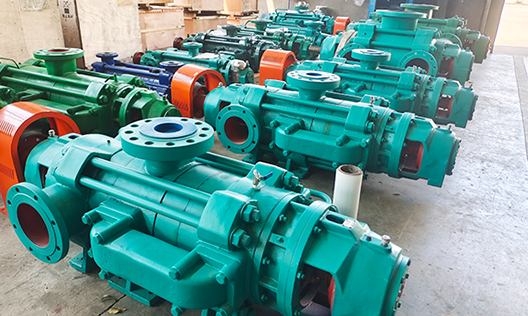
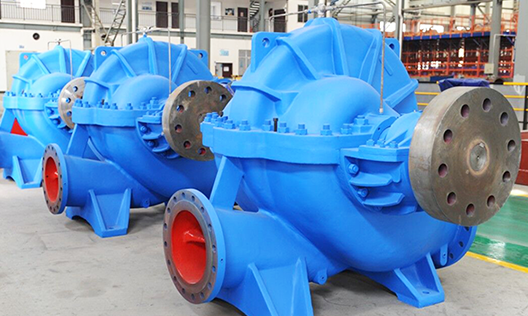
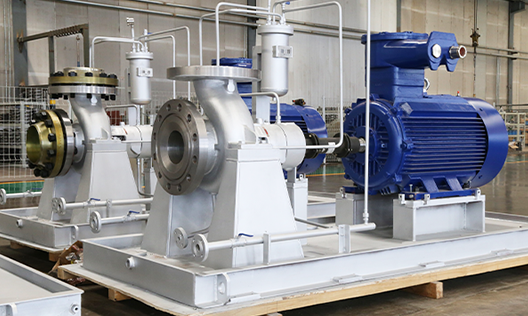
Puede fabricar 26 series de productos, incluyendo bombas de circulación para grandes centrales eléctricas, bombas de condensación para grandes centrales eléctricas, bombas petroquímicas, bombas multietapa, bombas de aguas residuales y lodo, bombas multietapa autoequilibradas, bombas de doble succión y única etapa tipo split, y bombas centrífugas de succión simple y única etapa.
-
Cases
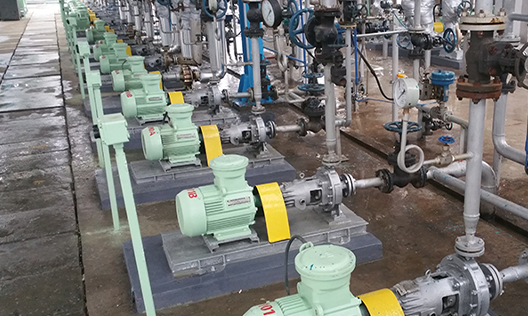
La elección de más de cientos de miles de clientes, cubriendo industrias como minería de carbón, metalurgia, química, energía, recursos hídricos, alimentos, municipalidades y protección ambiental, y exportando a Asia Sudeste, África, América y otros lugares.
-
Service
La empresa fue la primera en la industria en obtener las certificaciones internacionales del sistema de calidad ISO 9001:2008, del sistema de gestión ambiental ISO 14001 y del sistema de gestión de seguridad y salud ocupacional GB/T 28001, además de la certificación API 610 de la Asociación Estadounidense del Petróleo.
-
About us
La empresa, fundada en 1989, es una empresa nacional de alta tecnología integral que integra diseño, investigación y desarrollo, fabricación y servicios; actualmente es una empresa clave en la industria china de bombas centrífugas y una de las grandes fábricas especializadas.
-

Blogs
Con productos innovadores, calidad excepcional y servicios integrales, buscamos la verdad y la pragmática, avanzamos con iniciativa, y nos esforzamos por lograr el objetivo de ser "la marca líder en el campo de aplicación de bombas centrífugas en el país"! Raigada en Hunan, orientada a todo el país y hacia el mundo!
Understanding the Essentials of Slurry Pumps: Your Comprehensive Guide
Publication Date:
2025-11-24
Author:
Source:


Understanding the Essentials of Slurry Pumps: Your Comprehensive Guide
Table of Contents
- What is a Slurry Pump?
- Importance of Slurry Pumps in Industrial Applications
- Types of Slurry Pumps
- Key Components of a Slurry Pump
- Working Principle of Slurry Pumps
- Applications of Slurry Pumps in Various Industries
- Maintenance and Care for Slurry Pumps
- Common Problems and Solutions
- FAQs about Slurry Pumps
- Conclusion
What is a Slurry Pump?
A **slurry pump** is a type of pump specifically designed to transport a mixture of solids and liquids, commonly referred to as slurry. Slurry can include a variety of substances, including minerals, coal, and wastewater. These pumps are engineered to handle the unique challenges posed by slurries, such as abrasive particles and varying viscosity levels. In industries like mining, construction, and wastewater treatment, slurry pumps play a vital role in ensuring efficient and effective material transport.
Importance of Slurry Pumps in Industrial Applications
Slurry pumps serve critical functions in numerous industrial sectors. Their ability to manage challenging materials makes them indispensable for processes involving solid-liquid mixtures. Understanding the importance of slurry pumps can help organizations enhance operational efficiency, reduce downtime, and maintain safety standards. Here are a few key reasons why slurry pumps are essential:
- Efficiency: Slurry pumps are designed to handle high concentrations of solids, enabling faster and more efficient transport of materials.
- Durability: Built with robust materials, these pumps withstand abrasive and corrosive environments, ensuring longevity and reducing maintenance costs.
- Versatility: Slurry pumps are suitable for a wide range of applications, making them adaptable to various processes across industries.
Types of Slurry Pumps
There are several types of slurry pumps, each tailored for specific applications and operational needs. Understanding these types can help industries choose the most appropriate pump for their projects. Some common types include:
1. Centrifugal Slurry Pumps
Centrifugal slurry pumps use rotational energy to move slurry through the pump. These pumps are popular for their efficiency and ability to handle various slurry types. They are often used in mining and mineral processing applications.
2. Positive Displacement Slurry Pumps
Unlike centrifugal pumps, positive displacement pumps move slurry by trapping a fixed amount of fluid and forcing it through the discharge. These pumps excel in applications requiring high pressure and low flow rates, such as in chemical processing.
3. Submersible Slurry Pumps
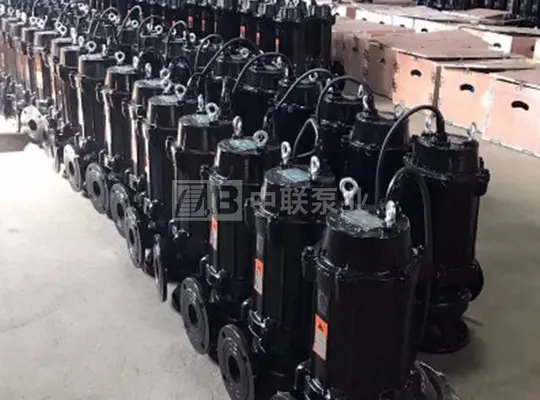
Submersible slurry pumps operate underwater and are ideal for applications involving flooded areas or deep pits. Their design allows for efficient operation in challenging environments, such as sewage treatment and mining sites.
4. Horizontal and Vertical Slurry Pumps
Horizontal and vertical slurry pumps differ in orientation and design. Horizontal pumps are more common and easier to maintain, while vertical pumps are ideal for applications with limited space.
Key Components of a Slurry Pump
To understand how slurry pumps function, it's essential to know their key components. Each part plays a crucial role in the pump's performance and efficiency:
1. Impeller
The impeller is the core component that imparts velocity to the slurry. Its design and material can significantly affect the pump's efficiency and durability.
2. Casing
The pump casing houses the impeller and is designed to withstand high pressures and abrasive conditions. It also contributes to the pump's overall efficiency.
3. Shaft
The shaft connects the impeller to the motor, transferring energy to create movement. A well-designed shaft minimizes wear and tear, ensuring a longer pump life.
4. Bearings
Bearings support the shaft and provide stability during operation. Proper bearing selection is critical for reducing friction and enhancing performance.
5. Seals
Seals prevent slurry from leaking out of the pump, ensuring safe and efficient operation. High-quality seals are essential for maintaining pump integrity and reliability.
Working Principle of Slurry Pumps
The working principle of slurry pumps varies depending on the type. However, the general operation involves converting mechanical energy into hydraulic energy to transport slurry. In centrifugal slurry pumps, the motor drives the impeller, which spins and creates a centrifugal force. This force pushes the slurry from the inlet to the outlet, overcoming resistance and allowing for efficient transport.
Applications of Slurry Pumps in Various Industries
Slurry pumps are utilized across multiple industries, each with unique requirements and challenges. Here are some significant applications:
1. Mining and Mineral Processing
In the mining sector, slurry pumps transport ore and tailings efficiently, helping maintain productivity and reduce operational costs.
2. Construction
Construction projects often involve handling mixed materials, such as cement and aggregates. Slurry pumps facilitate the movement of these mixtures, ensuring smooth operations.
3. Wastewater Treatment
Slurry pumps play a vital role in wastewater treatment processes by transporting sludge and other solid materials through the treatment system.
4. Chemical Processing
In chemical manufacturing, slurry pumps handle abrasive and corrosive materials, making them essential for safe and effective operations.
5. Power Generation
In the power generation industry, slurry pumps are used to manage ash and other by-products, contributing to efficient waste management practices.
Maintenance and Care for Slurry Pumps
Proper maintenance is crucial for ensuring the longevity and efficiency of slurry pumps. Here are several maintenance practices to consider:
1. Regular Inspections
Conduct frequent inspections to identify wear, leakage, and other issues. Early detection can prevent more significant problems down the line.
2. Lubrication
Ensure bearings and other moving parts are adequately lubricated to reduce friction and wear. Follow manufacturer guidelines for the appropriate lubricant type and intervals.
3. Cleaning
Regularly clean the pump components to remove any debris or buildup that could affect performance. This is especially important for the impeller and casing.
4. Monitoring Performance
Keep track of the pump's performance metrics, such as flow rate and pressure. Any deviations from normal parameters may indicate a problem that requires attention.
Common Problems and Solutions
Slurry pumps may encounter various issues during operation. Understanding these problems can help in troubleshooting effectively:
1. Clogging
Clogs can occur due to large solids in the slurry. Regular maintenance and using the correct pump size can help mitigate this issue.
2. Wear and Tear
Wear on components like the impeller can lead to reduced efficiency. Selecting high-quality materials for pump construction can minimize wear.
3. Leakage
Leaks often arise from deteriorated seals. Regular inspection and timely replacement of seals are essential for preventing leaks.
4. Vibration
Excessive vibration can indicate misalignment or imbalance. Ensuring proper installation and alignment can reduce vibration issues.
FAQs about Slurry Pumps
1. What is the primary function of a slurry pump?
The primary function of a slurry pump is to transport a mixture of solids and liquids, known as slurry, efficiently and effectively.
2. How do I choose the right slurry pump for my application?
Consider factors such as the type of slurry, flow rate, pressure requirements, and the specific conditions of your application when choosing a slurry pump.
3. What maintenance is required for slurry pumps?
Regular inspections, lubrication, cleaning, and performance monitoring are essential maintenance practices for slurry pumps.
4. Can slurry pumps handle corrosive materials?
Yes, many slurry pumps are designed with materials that can withstand corrosive environments. However, it's important to select the right pump for specific materials.
5. How long do slurry pumps typically last?
The lifespan of a slurry pump varies based on its application and maintenance. With proper care, many slurry pumps can last several years.
Conclusion
Slurry pumps are vital components in various industrial applications, providing efficient solutions for transporting solid-liquid mixtures. Understanding their functionality, types, and maintenance requirements can significantly enhance operational efficiency and reliability. By choosing the right slurry pump and implementing effective maintenance practices, industries can ensure optimal performance and longevity of their pumping systems. Embrace the importance of slurry pumps and leverage their capabilities to enhance your operations today.
Recommended Information



Related Products
Perhaps you also want to know?
Zoomlian Pump Industry
Address:No. 210, Environmental Protection Middle Road, Yuhua Economic Development Zone, Changsha City, Hunan Province China
All rights reserved © Changsha Zoomlian Pump Co., Ltd.
This website supports IPv4 IPv6 bidirectional access
Website construction:Zhongqi Power Changsha