

-
Products
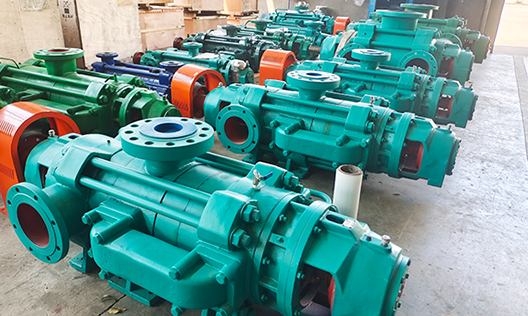
Puede fabricar 26 series de productos, incluyendo bombas de circulación para grandes centrales eléctricas, bombas de condensación para grandes centrales eléctricas, bombas petroquímicas, bombas multietapa, bombas de aguas residuales y lodo, bombas multietapa autoequilibradas, bombas de doble succión y única etapa tipo split, y bombas centrífugas de succión simple y única etapa.
-
Cases
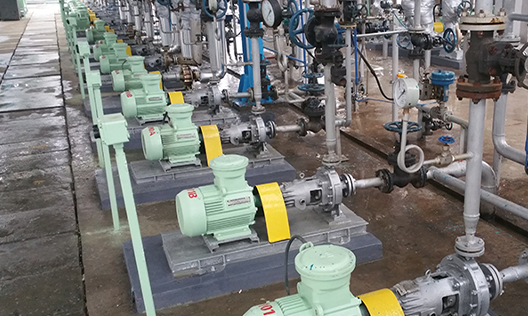
La elección de más de cientos de miles de clientes, cubriendo industrias como minería de carbón, metalurgia, química, energía, recursos hídricos, alimentos, municipalidades y protección ambiental, y exportando a Asia Sudeste, África, América y otros lugares.
-
Service
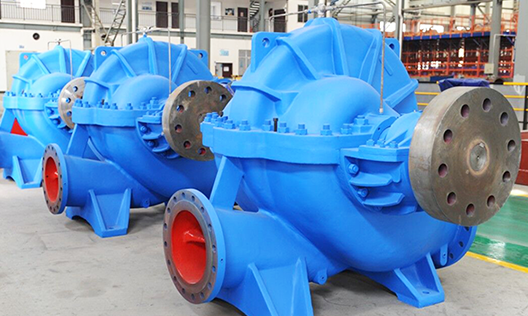
La empresa fue la primera en la industria en obtener las certificaciones internacionales del sistema de calidad ISO 9001:2008, del sistema de gestión ambiental ISO 14001 y del sistema de gestión de seguridad y salud ocupacional GB/T 28001, además de la certificación API 610 de la Asociación Estadounidense del Petróleo.
-
About us
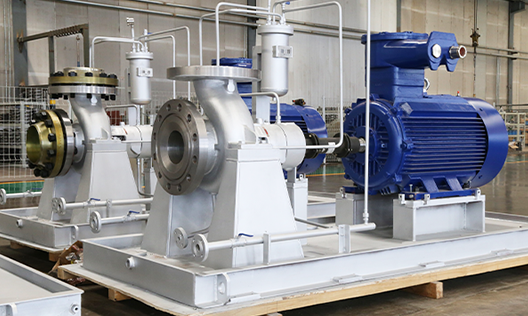
La empresa, fundada en 1989, es una empresa nacional de alta tecnología integral que integra diseño, investigación y desarrollo, fabricación y servicios; actualmente es una empresa clave en la industria china de bombas centrífugas y una de las grandes fábricas especializadas.
-

Blogs
Con productos innovadores, calidad excepcional y servicios integrales, buscamos la verdad y la pragmática, avanzamos con iniciativa, y nos esforzamos por lograr el objetivo de ser "la marca líder en el campo de aplicación de bombas centrífugas en el país"! Raigada en Hunan, orientada a todo el país y hacia el mundo!
Saltwater pump (brine pump)
Publication Date:
2025-09-05
Author:
Source:


A brine pump is a specialized type of pump designed specifically for handling brine—typically water containing high concentrations of salts, minerals, and other chemical substances. It can also refer to seawater or saline water. In the salt-production industry, these pumps are often called "brine pumps" or "concentrated brine pumps." Brine pumps cannot be made from materials typically used in standard清水 pumps, as the corrosive and contaminating elements present in brine can damage pipes, equipment, and even the final product, leading to both degradation and contamination. When operating in brine environments, it’s crucial to select materials that are highly resistant to corrosion, along with employing specialized manufacturing processes, to ensure the pump remains free from both corrosion and contamination. Next, let’s dive into some essential knowledge about brine pump selection, common models, daily maintenance techniques, and frequently used materials—provided by the experts at Changsha Zhonglian Pump Industry. After reading this article, we’re confident you’ll gain a comprehensive understanding of brine pumps!
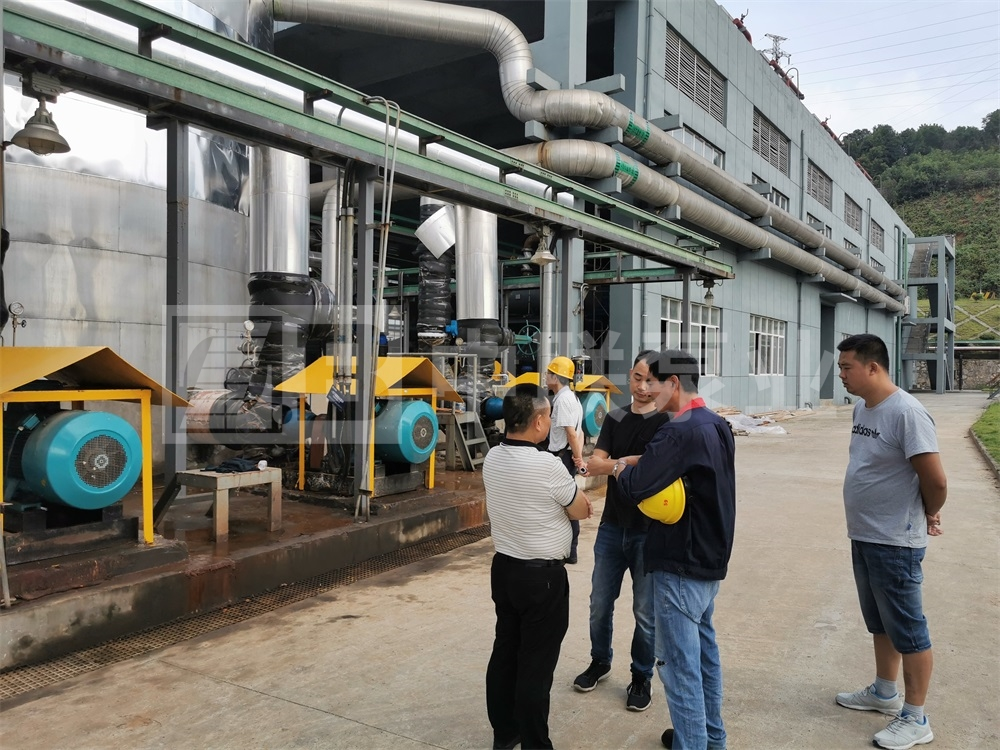
Saltwater pumps can be used in a variety of fields, such as seawater desalination, salt production, the chemical industry, offshore oil and gas extraction, aquariums, and more. Their design and manufacturing must be tailored to specific application scenarios and exact requirements to ensure long-term, efficient operation.
I. Commonly Used Materials for Saltwater Pump Manufacturing:
1. Stainless Steel: Stainless steel is one of the materials used for handling brine solutions, offering excellent corrosion resistance and mechanical properties. It is commonly employed when dealing with brines containing strong acids or strong bases.
2. Alloy Steel: Alloy steel boasts excellent strength and corrosion resistance, making it a common choice when handling corrosive liquids such as heavy oil and hydrogen sulfide.
3. Pollution-resistant plastics: These plastics are immune to chemical substances, showing no signs of corrosion or contamination. They are commonly used in saltwater pumps designed to handle various acids, alkalis, and other hazardous materials.
4. Cemented Carbide: Possesses high hardness and excellent corrosion resistance, making it commonly used for handling brine containing a large amount of particulate matter.
Although these materials all exhibit excellent corrosion and anti-fouling properties, their selection for practical applications must take into account the characteristics of the brine being handled and the specific usage requirements, while also considering the inherent weaknesses and limitations of each material.
II. Recommendations for Saltwater Pump Selection and Commonly Used Models:
When selecting a saltwater pump, in addition to meeting the required parameters, it’s also essential to choose corrosion-resistant materials to address the corrosive nature of saltwater. Furthermore, the pump must adequately handle the flow rate and head requirements specific to saltwater applications. Depending on the application needs and operating conditions of the saltwater pump, the following commonly used pump types can be considered:
1. DF-Type Stainless Steel Centrifugal Pump : Stainless steel centrifugal pumps are a corrosion-resistant pump type, commonly used when handling saltwater. The stainless steel material effectively resists corrosion from saltwater, ensuring the pump's long service life. Meanwhile, DF-type stainless steel centrifugal pumps also boast advantages such as high flow rate and significant head.

↑Click the image to learn more China United Pump Industry [DF Type Stainless Steel Multistage Centrifugal Pump] Product Images, Details, and Parameter Information ↑
2. Magnetic pump : A magnetic pump is a leak-free water pump that uses magnetic force to drive the rotor, effectively preventing harmful substances from leaking and contaminating the environment. Both the impeller and the pump housing of a magnetic pump are made from corrosion-resistant materials, making it ideal for handling corrosive liquids such as saltwater.

↑Click the image to learn more China United Pump Industry [Magnetic Pump] Product Images, Details, and Parameter Information ↑
3, Corrosion-resistant self-priming pump : A self-priming pump is a type of centrifugal pump equipped with a self-priming function, enabling it to automatically draw in liquid and then deliver it outward. Self-priming pumps are ideal for brine treatment applications involving low head and high flow rates, and they offer advantages such as simple construction, easy maintenance, and stable operation.

↑Click the image to learn more China United Pump Industry [Corrosion-Resistant Self-Priming Pump] Product images, details, and parameter information ↑
4. Alloy Fluoroplastic Pump : The corrosion-resistant single-stage pump features smooth operation, low noise, and minimal heating of the pump body. It can be easily adapted to different flow and head requirements by simply replacing the appropriate screw.

↑Click the image to learn more about Zhonglian Pump Industry's [Alloy Fluoroplastic Pump]—view product details and parameter information here↑
When selecting a brine pump, it’s essential to choose the appropriate pump model based on the characteristics of the brine and the specific application requirements, ensuring both effective brine treatment and stable equipment operation.
III. A Few Key Points for Daily Maintenance of Saltwater Pumps:
1. Inspect the pump’s seals: Seals are a critical component for preventing leaks and corrosion. Regularly check the seals for signs of wear, tightness, or damage. If cracks, aging, or deterioration are detected, they should be replaced promptly.
2. Regularly replace the lubricating oil: The lubricating oil for the water pump needs to be changed periodically to ensure proper operation. Different pump models require different types of lubricants, so the replacement interval should be determined based on actual conditions and usage requirements.
3. Clean the filter screen and filters: Cleaning the filter screen and filters prevents impurities and particles from entering the pump, which could otherwise affect its efficiency and lifespan. Regularly washing and replacing the filter screen and filters will ensure optimal performance and extend their service life.
4. Regularly inspect the pump body for signs of corrosion and wear, and promptly repair or replace any damaged components to ensure the integrity and corrosion resistance of the pump body.
5. Regularly inspect the motor: The electric motor is one of the critical components for pump operation, and it’s essential to periodically check whether its terminal blocks, motor windings, and bearings are functioning properly.
Maintenance work requires standardized procedures and thorough documentation, such as maintenance records, repair details, inspection reports, damage lists, and more. Only by paying close attention to the details during upkeep and repairs—and by following the correct operational steps—can we ensure the long-term success and reliability of the saltwater pump.
Previous:
Next:
Recommended Information


Related Products
Perhaps you also want to know?
Zoomlian Pump Industry
Address:No. 210, Environmental Protection Middle Road, Yuhua Economic Development Zone, Changsha City, Hunan Province China
All rights reserved © Changsha Zoomlian Pump Co., Ltd.
This website supports IPv4 IPv6 bidirectional access
Website construction:Zhongqi Power Changsha