

-
Products
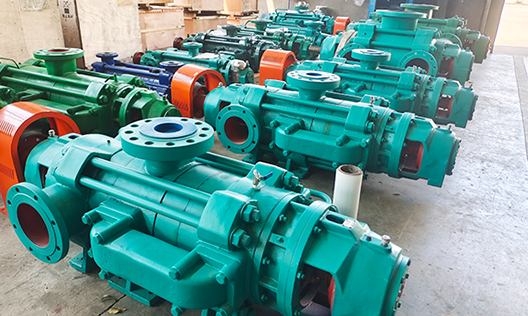
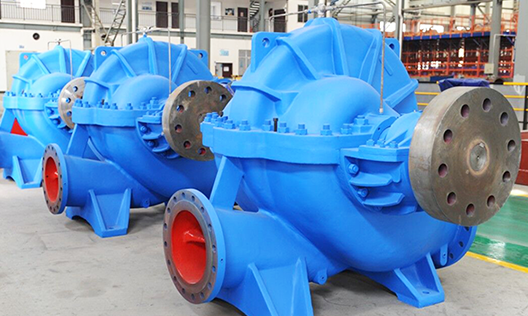
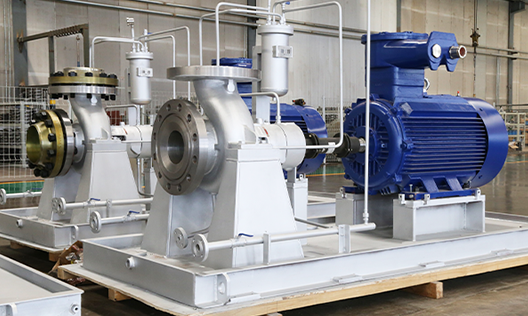
Puede fabricar 26 series de productos, incluyendo bombas de circulación para grandes centrales eléctricas, bombas de condensación para grandes centrales eléctricas, bombas petroquímicas, bombas multietapa, bombas de aguas residuales y lodo, bombas multietapa autoequilibradas, bombas de doble succión y única etapa tipo split, y bombas centrífugas de succión simple y única etapa.
-
Cases
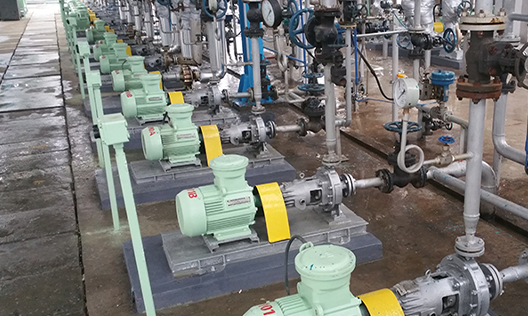
La elección de más de cientos de miles de clientes, cubriendo industrias como minería de carbón, metalurgia, química, energía, recursos hídricos, alimentos, municipalidades y protección ambiental, y exportando a Asia Sudeste, África, América y otros lugares.
-
Service
La empresa fue la primera en la industria en obtener las certificaciones internacionales del sistema de calidad ISO 9001:2008, del sistema de gestión ambiental ISO 14001 y del sistema de gestión de seguridad y salud ocupacional GB/T 28001, además de la certificación API 610 de la Asociación Estadounidense del Petróleo.
-
About us
La empresa, fundada en 1989, es una empresa nacional de alta tecnología integral que integra diseño, investigación y desarrollo, fabricación y servicios; actualmente es una empresa clave en la industria china de bombas centrífugas y una de las grandes fábricas especializadas.
-

Blogs
Con productos innovadores, calidad excepcional y servicios integrales, buscamos la verdad y la pragmática, avanzamos con iniciativa, y nos esforzamos por lograr el objetivo de ser "la marca líder en el campo de aplicación de bombas centrífugas en el país"! Raigada en Hunan, orientada a todo el país y hacia el mundo!
In the digital age, the intelligent pump management and maintenance system is finally here!
Publication Date:
2025-09-05
Author:
Source:


Against the backdrop of Industry 4.0, the intelligent and digital transformation of equipment has become the key to enterprises' upgrading and transformation. Changsha Zoomlion Heavy Industry Science & Technology Co., Ltd.'s newly launched "Smart Pump Butler" system is a groundbreaking innovation that aligns perfectly with this trend. It leverages cutting-edge technology to enhance the operational and maintenance management efficiency of pumping station equipment, enabling early fault diagnosis and proactive preventive maintenance.
I. Current Situation and Challenges
Before introducing the "Smart Pump Butler" system, it is essential to thoroughly examine the shortcomings and limitations of current pump station equipment operation and maintenance management models, in order to highlight the innovation and improvements that the "Smart Pump Butler" system brings.
1. Shortcomings of Scheduled Inspections
- The workload is heavy: It requires regular manual inspections, consuming significant human resources.
- Management vulnerabilities: Due to reliance on manual processes, there are regulatory blind spots, making it difficult to achieve comprehensive coverage.
- Subjective reliance: Over-reliance on the master craftsman's experience and intuition, lacking support from objective data.
2. Limitations of SCADA Monitoring
- Poor data correlation: The conventional alarm system fails to link different data points, making it difficult to uncover the underlying logic behind equipment status.
- Limitations of monitoring values: Monitoring values typically reflect only surface-level phenomena and cannot delve into the equipment's underlying issues.
3. Deficiencies in Planned Maintenance
- High costs: Regular, scheduled maintenance often fails to account for the actual condition of equipment, leading to wasted resources.
- Maintenance cycles are uncertain: The lack of real-time monitoring of equipment conditions leads to improperly scheduled maintenance intervals.
4. Issues with Fault-Based Maintenance
- Impact on Production: After a failure occurs, emergency repairs may lead to production disruptions, affecting business operations.
- Irreversible damage: By performing repairs only after a failure occurs, you may have already caused harm that cannot be undone.
- The cause of the failure is unknown: Without proper fault analysis, it remains difficult to identify the root cause of the issue.
5. Experience-Driven Operations and Maintenance Risks
- The cost of experience transfer is high: The expertise of seasoned masters is difficult to quantify and pass on, making it costly for newcomers to learn.
- Insufficient basis for decision-making: Relying on personal experience, lacking a scientific foundation for sound decision-making.
- Difficulty in defining responsibilities: When issues arise, it's challenging to pinpoint accountability, leading to unclear safety risk management.
6. Challenges in Reliability and Energy Consumption Monitoring
- Single focus: Overemphasizing the safe operation of equipment while neglecting energy consumption monitoring and management.
- Energy consumption status missing: The energy consumption status has not been integrated into the equipment health indicator, making it impossible to comprehensively assess equipment performance.
7. Lagging Fault Diagnosis Technology
- Lack of an evaluation system: Without a systematic health assessment framework, it is difficult to comprehensively evaluate the equipment's condition.
- Insufficient diagnostic logic: Lacking data- and algorithm-based fault diagnosis logic, relying instead on manual expertise.
II. Key Technological Breakthroughs: The Integration of Automation and Intelligence
“The core of the ‘Smart Pump Manager’ system lies in the seamless integration of automation and intelligence within its key technologies, which provide a revolutionary solution for the health management and fault diagnosis of pump station equipment.”

1. A Weighted, Hierarchical Evaluation and Scoring System
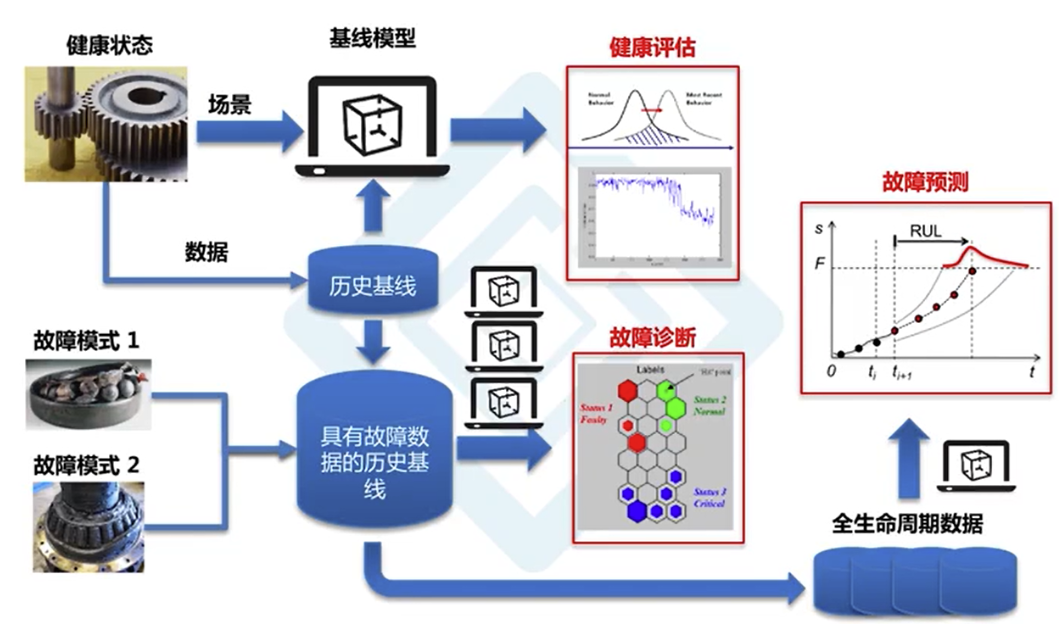
The system establishes a comprehensive pump station equipment health evaluation framework by integrating automated data acquisition with manually entered offline data. This system enables real-time monitoring of equipment’s online status and provides demerit items through automatic analysis, while offline conditions are assessed and scored by experienced professionals based on their expertise—ensuring both the thoroughness and accuracy of the evaluation.
2. Big Data for Pump and Motor Efficiency Evaluation
Leveraging a big data platform, the system can analyze performance metrics from over 300,000 large pump enterprises and more than 600 product series. Through this platform, the system automatically assesses the actual efficiency of pumps under various operating conditions, providing data support for efficiency optimization.
3. Fault Tree Model-Based Diagnostic Technology
The "Smart Pump Manager" system has built a fault feature library based on pump machinery structures and, through automated logic analysis, established a fault tree model. This model can correlate sensor signals or manual inputs with specific fault characteristics, enabling automated fault diagnosis.
4. Multimodal Data Fusion
The system automates the integration of single-point data such as vibration, temperature, and pressure, along with analytical metrics like efficiency and specific energy consumption, enabling a comprehensive assessment of equipment health status. This fusion of multi-source data not only enhances the accuracy of fault diagnosis but also strengthens the system's automated processing capabilities.
III. System Functions and Solutions: Comprehensive, Fully Automated Operations and Maintenance Management
"The 'Smart Pump Manager' system achieves comprehensive automation of pump station equipment operation and maintenance management through the following functional modules:"

1. Data Collection and Monitoring
The system automatically collects operational data from the equipment—such as temperature, pressure, flow rate, current, and voltage—using both wired and wireless sensors. These data serve as the foundation for subsequent health assessments and fault diagnostics.
2. Health Assessment
The system automatically performs equipment health assessments by analyzing real-time online data from the equipment, combined with manually entered offline data, to generate a health score and provide a comprehensive status evaluation of the equipment.
3. Fault Diagnosis
Using the fault tree model, the system can automatically diagnose equipment failures. By comparing characteristic values with logical analysis results, the system quickly identifies the root cause of the fault and provides actionable maintenance recommendations.
4. Operating Condition Analysis
The system can automatically analyze the operating conditions of equipment, assess the degree of deviation between actual conditions and the unit’s characteristic curves, and provide decision support for optimizing equipment operation.
5. Energy Efficiency Monitoring
The system monitors the energy consumption status of equipment in real time, automatically evaluates the energy efficiency indicators of devices, and provides data support for energy-saving operations.
6. Vibration Monitoring
The system automatically performs vibration waveform analysis and fault frequency analysis, providing a basis for diagnosing equipment vibration faults.
7. Fault Warning
The system automatically predicts monitoring values based on historical data and current environmental factors, while also determining early warning thresholds to proactively alert users of potential failures.
8. Analysis Report
The system can automatically generate health status analysis reports on a regular basis, providing professional and reliable insights to support equipment management decisions. With these automated functional modules, the "Smart Pump Butler" system not only enhances the operational efficiency of pump station equipment but also delivers robust technological support for the enterprise’s digital transformation and intelligent upgrade initiatives.
IV. Application Value and Case Sharing
The application of the "Smart Pump Manager" system has not only improved equipment management efficiency and extended equipment uptime, but also significantly enhanced fault-handling capabilities and prolonged the service life of the equipment. For instance, Shanghai Chengtou Raw Water Co., Ltd., by implementing this system, reduced its annual maintenance costs from approximately 2.4 million to a remarkably low level. Meanwhile, real-time optimization analysis conducted on Changxing Island revealed that the maximum energy-saving rate achieved during single-pump operation reached as high as 18.4%.
Numerous customer case studies have also demonstrated the "Smart Pump Manager" system's ability to ensure reliable equipment operation even in high-temperature environments, providing up to 6 years of stable performance for molten salt pumps used in photovoltaic power generation.
V. Conclusion
"The 'Smart Pump Manager' system, with its advanced technology, comprehensive solutions, and significant practical value, provides robust support for the intelligent management and proactive maintenance of pump station equipment. As Industry 4.0 and the nation's digital transformation continue to deepen, this system is poised to play an even greater role across a wider range of industries."
Previous:
Recommended Information


Related Products
Perhaps you also want to know?
Zoomlian Pump Industry
Address:No. 210, Environmental Protection Middle Road, Yuhua Economic Development Zone, Changsha City, Hunan Province China
All rights reserved © Changsha Zoomlian Pump Co., Ltd.
This website supports IPv4 IPv6 bidirectional access
Website construction:Zhongqi Power Changsha