

-
Products
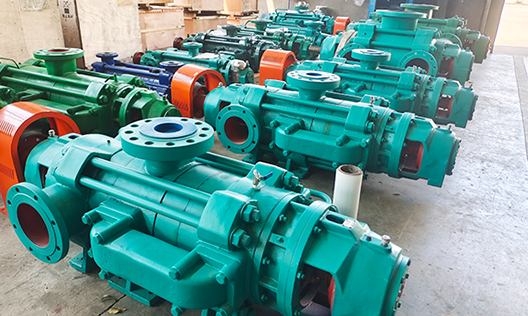
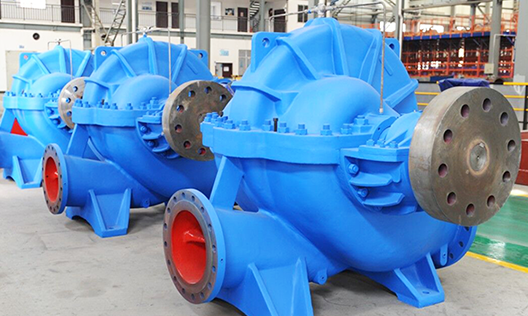
Puede fabricar 26 series de productos, incluyendo bombas de circulación para grandes centrales eléctricas, bombas de condensación para grandes centrales eléctricas, bombas petroquímicas, bombas multietapa, bombas de aguas residuales y lodo, bombas multietapa autoequilibradas, bombas de doble succión y única etapa tipo split, y bombas centrífugas de succión simple y única etapa.
-
Cases
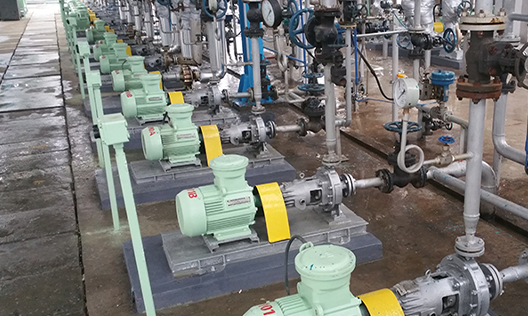
La elección de más de cientos de miles de clientes, cubriendo industrias como minería de carbón, metalurgia, química, energía, recursos hídricos, alimentos, municipalidades y protección ambiental, y exportando a Asia Sudeste, África, América y otros lugares.
-
Service
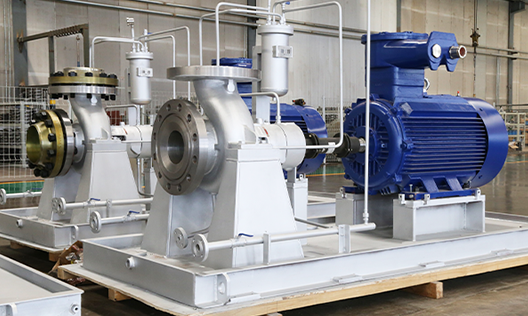
La empresa fue la primera en la industria en obtener las certificaciones internacionales del sistema de calidad ISO 9001:2008, del sistema de gestión ambiental ISO 14001 y del sistema de gestión de seguridad y salud ocupacional GB/T 28001, además de la certificación API 610 de la Asociación Estadounidense del Petróleo.
-
About us
La empresa, fundada en 1989, es una empresa nacional de alta tecnología integral que integra diseño, investigación y desarrollo, fabricación y servicios; actualmente es una empresa clave en la industria china de bombas centrífugas y una de las grandes fábricas especializadas.
-

Blogs
Con productos innovadores, calidad excepcional y servicios integrales, buscamos la verdad y la pragmática, avanzamos con iniciativa, y nos esforzamos por lograr el objetivo de ser "la marca líder en el campo de aplicación de bombas centrífugas en el país"! Raigada en Hunan, orientada a todo el país y hacia el mundo!
Frequently Asked Questions about Self-Balancing Multistage Pumps
Publication Date:
2025-08-13
Author:
Source:


Introduction to Self-Balancing Multistage Pumps
In modern industry, self-balancing multistage pumps have attracted widespread attention due to their superior performance and diverse applications. They can not only effectively improve the efficiency of liquid transportation but also maintain stable operation under various working conditions. However, users inevitably encounter some issues during use. Today, the manufacturer of self-balancing multistage pumps Zhonglian Pump Industry The editor will discuss common problems of self-balancing multistage pumps to help everyone better understand and use this equipment.
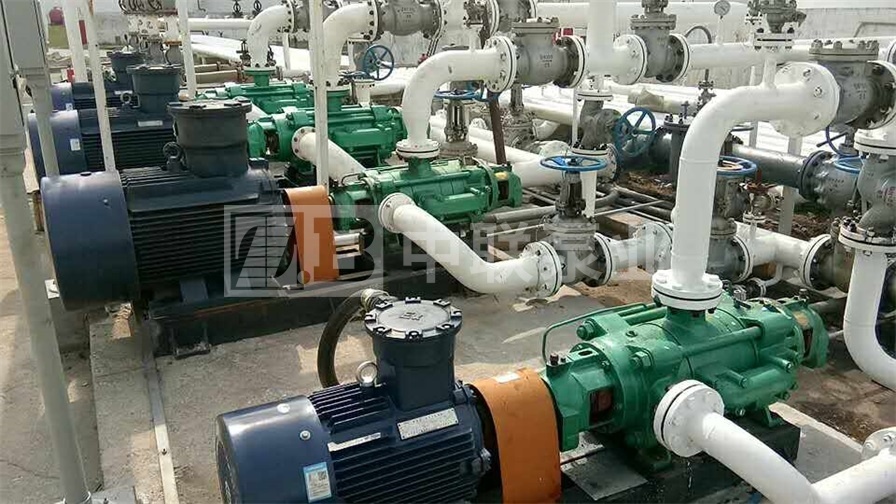
Common Question 1: What is the working principle of a self-balancing multistage pump?
Simply put, a self-balancing multistage pump achieves large flow and head in a relatively small volume through the series action of multiple impellers. Each impeller can self-adjust within its operating range to reach an optimal operating state. This design not only improves pump efficiency but also reduces noise and vibration.
Common Question 2: What should be noted when using a self-balancing multistage pump?
When using a self-balancing multistage pump, several key points need attention. First, ensure the pump body is installed stably to avoid damage caused by vibration. Second, regularly check the pump's sealing to prevent leaks. Additionally, the nature of the liquid is important; ensuring it does not contain corrosive substances can extend the pump's service life.
Common Question 3: Maintenance and care of self-balancing multistage pumps
To maintain the optimal performance of self-balancing multistage pumps, regular maintenance and care are essential. First, regularly clean the pump body to remove possible impurities and keep the pump unobstructed. Second, check the condition of the lubricating oil and replace it promptly to ensure flexible operation of all pump components. Additionally, it is recommended to conduct professional inspections regularly to detect potential problems and prevent minor faults from developing into major troubles.
Common Question 4: Troubleshooting self-balancing multistage pumps
If a self-balancing multistage pump malfunctions, first calmly analyze the situation. Common faults include insufficient flow, excessive noise, and overheating. Insufficient flow may be caused by blockage in the suction pipe or a narrow discharge pipe; excessive noise may be due to impeller wear or improper installation. When encountering these problems, it is recommended to perform simple checks first, such as cleaning the pipes or reinstalling the pump body. If the problem persists, seek professional help.
Common Question 5: Comparison between self-balancing multistage pumps and traditional pumps
Compared with traditional pumps, self-balancing multistage pumps have significant performance advantages. They can provide higher head, save energy, and reduce operating costs. In addition, the design of self-balancing multistage pumps is more compact, suitable for use in environments with limited space. However, the initial investment is relatively high, so enterprises need to consider comprehensively when choosing.
Summary
In summary, self-balancing multistage pumps are efficient and reliable liquid transportation equipment. Understanding and solving common problems during use can help users better utilize the pump's performance and improve work efficiency. We hope the above information can assist you. If you have any other questions, feel free to consult professionals at any time.
Recommended Information


Related Products
Perhaps you also want to know?
Zoomlian Pump Industry
Address:No. 210, Environmental Protection Middle Road, Yuhua Economic Development Zone, Changsha City, Hunan Province China
All rights reserved © Changsha Zoomlian Pump Co., Ltd.
This website supports IPv4 IPv6 bidirectional access
Website construction:Zhongqi Power Changsha