

-
Products
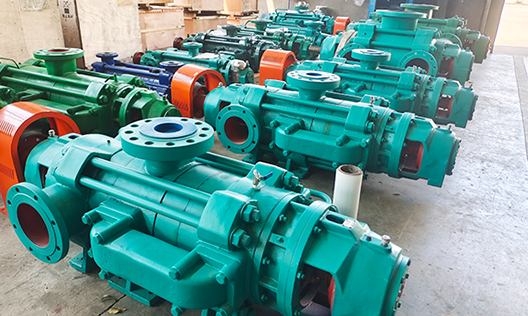
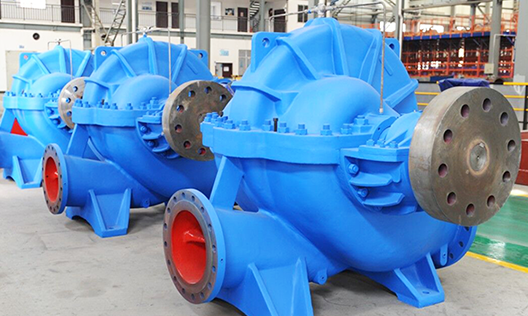
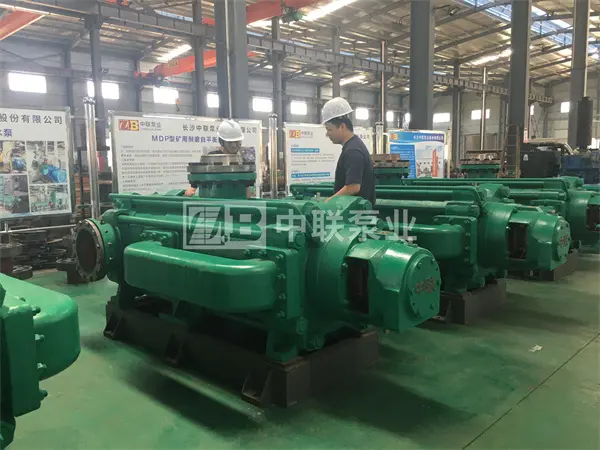
Puede fabricar 26 series de productos, incluyendo bombas de circulación para grandes centrales eléctricas, bombas de condensación para grandes centrales eléctricas, bombas petroquímicas, bombas multietapa, bombas de aguas residuales y lodo, bombas multietapa autoequilibradas, bombas de doble succión y única etapa tipo split, y bombas centrífugas de succión simple y única etapa.
-
Cases
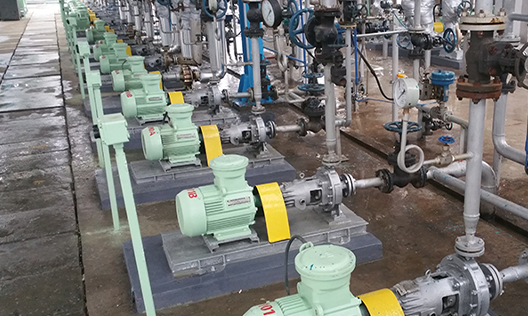
La elección de más de cientos de miles de clientes, cubriendo industrias como minería de carbón, metalurgia, química, energía, recursos hídricos, alimentos, municipalidades y protección ambiental, y exportando a Asia Sudeste, África, América y otros lugares.
-
Service
La empresa fue la primera en la industria en obtener las certificaciones internacionales del sistema de calidad ISO 9001:2008, del sistema de gestión ambiental ISO 14001 y del sistema de gestión de seguridad y salud ocupacional GB/T 28001, además de la certificación API 610 de la Asociación Estadounidense del Petróleo.
-
About us
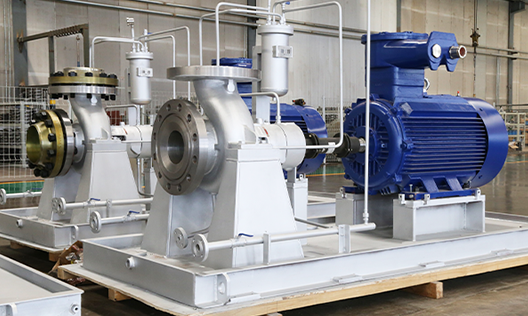
La empresa, fundada en 1989, es una empresa nacional de alta tecnología integral que integra diseño, investigación y desarrollo, fabricación y servicios; actualmente es una empresa clave en la industria china de bombas centrífugas y una de las grandes fábricas especializadas.
-

Blogs
Con productos innovadores, calidad excepcional y servicios integrales, buscamos la verdad y la pragmática, avanzamos con iniciativa, y nos esforzamos por lograr el objetivo de ser "la marca líder en el campo de aplicación de bombas centrífugas en el país"! Raigada en Hunan, orientada a todo el país y hacia el mundo!
Hot Water Pump: Reliable Circulation Solutions for Modern Heating and Hot Water Systems
Publication Date:
2026-06-26
Author:
Source:


Efficient hot water circulation is essential for maintaining the performance of residential, commercial, and industrial heating systems. Whether supplying heated water to a building, supporting central heating equipment, or circulating thermal fluids in industrial processes, a dependable Hot Water Pump plays a critical role in ensuring stable system operation. As energy efficiency and equipment reliability continue to gain importance, modern hot water pumps have become an indispensable component in heating, ventilation, air conditioning, and process heating applications around the world.
A hot water pump is designed to circulate heated water throughout a closed or open-loop system, maintaining a consistent flow that allows heat to be distributed evenly. Without reliable circulation, water temperature may become uneven, heating efficiency may decrease, and energy consumption can increase. By maintaining continuous water movement, the pump helps heating equipment operate more efficiently while improving overall system comfort and stability.
Residential heating systems are among the most common applications for hot water pumps. In central heating installations, the pump transfers heated water from boilers to radiators, underfloor heating systems, or fan coil units throughout the building. Stable circulation ensures that every room receives consistent heat while reducing unnecessary energy loss. Homeowners benefit from improved comfort, faster heating response, and lower operating costs over the life of the system.
Commercial buildings also rely heavily on efficient hot water circulation. Hotels, office buildings, hospitals, schools, shopping centers, and public facilities require reliable heating and domestic hot water systems to serve large numbers of occupants. A properly selected hot water pump maintains stable water flow even during periods of varying demand, supporting uninterrupted operation while improving the overall efficiency of building services.
Industrial applications often place even greater demands on hot water circulation equipment. Manufacturing facilities, food processing plants, chemical production lines, pharmaceutical factories, textile operations, and energy systems frequently require precise temperature control during production. Hot water pumps help maintain process stability by delivering continuous circulation under demanding operating conditions. Reliable flow contributes to consistent product quality while supporting efficient production processes.
Modern hot water pumps are engineered with energy efficiency as a primary design objective. High-efficiency hydraulic components reduce internal flow resistance while optimized motor technology helps lower electricity consumption. Many systems operate continuously throughout the heating season, making energy-efficient pump design an important factor in reducing long-term operating expenses. Lower energy consumption also supports environmental sustainability by reducing overall power demand.
Material selection directly influences pump durability and long-term reliability. High-quality pump housings, corrosion-resistant impellers, precision bearings, and durable sealing systems allow the equipment to withstand continuous exposure to heated water. Depending on system requirements, manufacturers may utilize cast iron, stainless steel, bronze, or other specialized materials to improve corrosion resistance and extend service life under different operating environments.
Stable performance under varying operating conditions is another important characteristic of a quality hot water pump. Heating demand frequently changes throughout the day as outdoor temperatures fluctuate and building occupancy varies. A reliable circulation pump maintains consistent flow while adapting to changing system requirements. This operating stability helps reduce pressure fluctuations, minimizes equipment wear, and improves the efficiency of the entire heating network.
Noise reduction has also become an important consideration for modern building systems. Pumps installed within residential apartments, office buildings, hotels, and healthcare facilities must operate quietly to avoid disturbing occupants. Precision-balanced rotating components, optimized hydraulic design, and high-quality bearings help reduce vibration and operating noise while maintaining dependable circulation performance.
Ease of installation and maintenance contributes significantly to overall system efficiency. Compact pump designs simplify installation in mechanical rooms where available space may be limited. Standardized pipe connections, practical mounting arrangements, and accessible service components reduce installation time while making routine maintenance more convenient. Reliable sealing systems also minimize the possibility of leakage during long-term operation.
Renewable energy applications continue to create new opportunities for hot water circulation technology. Solar water heating systems, geothermal installations, biomass heating plants, and heat pump systems all require dependable circulation equipment to transfer thermal energy efficiently. Hot water pumps help maximize energy utilization while supporting the stable operation of environmentally friendly heating technologies.
District heating networks represent another important application area. Large-scale centralized heating systems distribute hot water over long distances to residential communities, commercial buildings, and industrial facilities. Efficient circulation pumps maintain stable system pressure and reliable heat delivery across complex pipe networks while supporting continuous operation throughout the heating season.
Quality manufacturing remains essential for ensuring dependable product performance. Professional manufacturers implement strict quality control procedures covering raw material inspection, precision machining, assembly accuracy, hydraulic testing, electrical safety verification, and final performance evaluation. Every stage of production contributes to delivering pumps capable of operating reliably under demanding service conditions while meeting customer expectations for durability and efficiency.
Customization capabilities provide additional flexibility for specialized applications. Different industries may require specific flow rates, pressure capacities, installation dimensions, connection standards, motor configurations, or material selections. Experienced manufacturers can provide customized hot water pump solutions that match unique project requirements while maintaining consistent manufacturing quality and reliable operating performance.
As modern heating technology continues evolving toward greater efficiency and sustainability, reliable water circulation remains a fundamental requirement. A professionally manufactured Hot Water Pump combines energy-efficient operation, durable construction, stable hydraulic performance, and long service life to support a wide range of residential, commercial, industrial, and renewable energy systems. By maintaining continuous hot water circulation while reducing energy consumption and maintenance requirements, these pumps continue to play a vital role in improving heating efficiency and supporting dependable thermal management across today's increasingly advanced building and industrial infrastructure.
Previous:
Recommended Information



Related Products
Perhaps you also want to know?
Zoomlian Pump Industry
Address:No. 210, Environmental Protection Middle Road, Yuhua Economic Development Zone, Changsha City, Hunan Province China
All rights reserved © Changsha Zoomlian Pump Co., Ltd.
This website supports IPv4 IPv6 bidirectional access
Website construction:Zhongqi Power Changsha