

-
Products
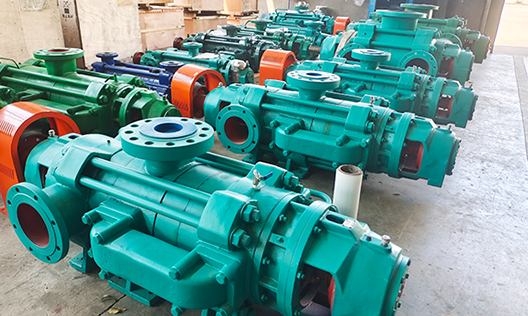
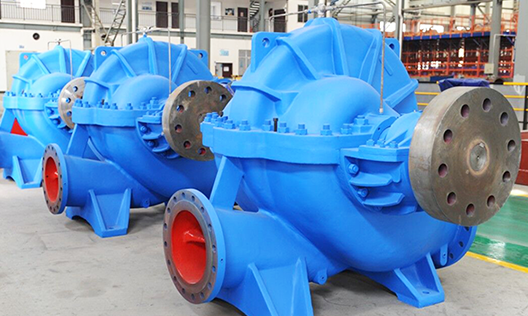
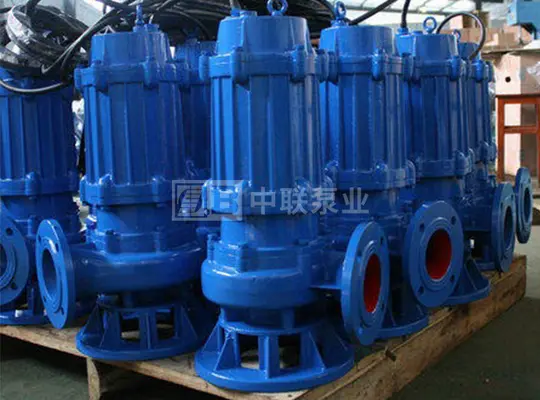
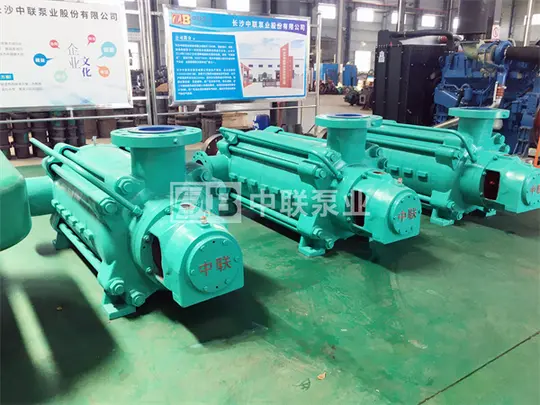
Puede fabricar 26 series de productos, incluyendo bombas de circulación para grandes centrales eléctricas, bombas de condensación para grandes centrales eléctricas, bombas petroquímicas, bombas multietapa, bombas de aguas residuales y lodo, bombas multietapa autoequilibradas, bombas de doble succión y única etapa tipo split, y bombas centrífugas de succión simple y única etapa.
-
Cases
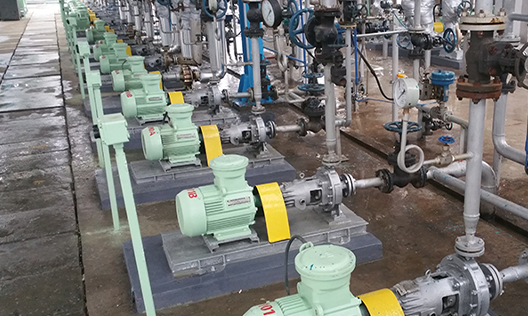
La elección de más de cientos de miles de clientes, cubriendo industrias como minería de carbón, metalurgia, química, energía, recursos hídricos, alimentos, municipalidades y protección ambiental, y exportando a Asia Sudeste, África, América y otros lugares.
-
Service
La empresa fue la primera en la industria en obtener las certificaciones internacionales del sistema de calidad ISO 9001:2008, del sistema de gestión ambiental ISO 14001 y del sistema de gestión de seguridad y salud ocupacional GB/T 28001, además de la certificación API 610 de la Asociación Estadounidense del Petróleo.
-
About us
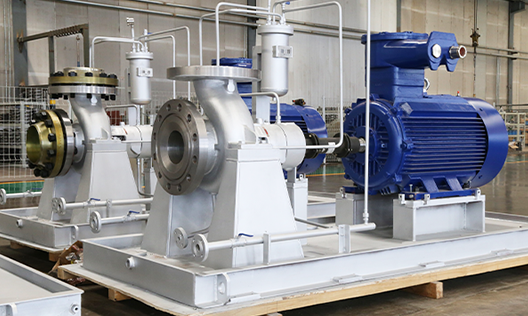
La empresa, fundada en 1989, es una empresa nacional de alta tecnología integral que integra diseño, investigación y desarrollo, fabricación y servicios; actualmente es una empresa clave en la industria china de bombas centrífugas y una de las grandes fábricas especializadas.
-

Blogs
Con productos innovadores, calidad excepcional y servicios integrales, buscamos la verdad y la pragmática, avanzamos con iniciativa, y nos esforzamos por lograr el objetivo de ser "la marca líder en el campo de aplicación de bombas centrífugas en el país"! Raigada en Hunan, orientada a todo el país y hacia el mundo!
Exploring the Customization Options for Hot Water Pumps: Tailoring Solutions for Maximum Efficiency
Publication Date:
2026-06-10
Author:
Source:


Exploring the Customization Options for Hot Water Pumps
Hot water pumps play a crucial role in a variety of applications, from residential settings to industrial processes. The ability to customize these pumps ensures they meet specific requirements effectively. In this article, we will explore the various customization options available for hot water pumps, their significance, and how they can enhance overall performance and efficiency.
The Importance of Customization in Hot Water Pumps
Customization in hot water pumps is essential for several reasons:
1. Enhanced Performance
By tailoring pumps to meet specific operational needs, businesses can achieve enhanced performance. Customized pumps can be designed to handle specific flow rates, pressure requirements, and temperature ranges.
2. Increased Energy Efficiency
Custom solutions often lead to increased energy efficiency. Tailored pumps can operate more efficiently, reducing energy consumption and lowering operational costs.
3. Improved Lifespan
A well-customized pump can lead to reduced wear and tear. By selecting the right materials and designs, you can prolong the pump's lifespan and reduce maintenance costs.
Key Customization Options for Hot Water Pumps
When exploring customization options for hot water pumps, several factors come into play. Below are the primary areas where customization can be applied.
1. Material Selection
The materials used in constructing hot water pumps significantly influence their durability and performance. Common materials include:
a. Stainless Steel
Stainless steel is highly resistant to corrosion and can withstand high temperatures, making it ideal for hot water applications.
b. Bronze
Bronze is another excellent material choice, particularly for pumps handling aggressive fluids. It offers good corrosion resistance and strength.
c. Plastic
For applications with less demanding conditions, plastic materials may be suitable. They are lightweight and resistant to certain chemicals.
2. Design Configurations
Customizing the design of hot water pumps allows for adjustments to suit specific needs:
a. Centrifugal Pumps
Centrifugal pumps are the most commonly used type for hot water applications. Customizing their impeller and volute design can optimize flow rates and efficiency.
b. Multistage Pumps
For higher pressure requirements, multistage pumps can be customized by adding additional stages. This allows them to achieve higher pressures without increasing motor size.
3. Size and Capacity
The size and capacity of the pump must align with the system's requirements. Customization can include:
a. Variable Flow Rates
Depending on the application, pumps may need to handle varying flow rates. Custom solutions can include variable speed drives to adjust flow according to demand.
b. Tank Capacity
The capacity of the tank associated with the hot water pump can also be customized. A larger tank may be necessary for applications requiring a significant volume of hot water.
4. Control Systems
Integrating advanced control systems can significantly enhance the operation of hot water pumps:
a. Smart Controls
Modern hot water pumps can be equipped with smart controls for real-time monitoring and adjustments. This allows for optimized performance based on current demand.
b. Automation
Automated systems can manage pump operation based on specific parameters, leading to improved efficiency and reduced manual intervention.
Applications of Customized Hot Water Pumps
Understanding where customized hot water pumps are utilized can help in determining the right specifications:
1. Residential Use
In residential applications, customized hot water pumps can meet the unique demands of home heating systems, ensuring efficient hot water delivery.
2. Industrial Processes
Industrial operations often require hot water for various processes, and customized pumps can handle specific pressures and flow rates, contributing to operational efficiency.
3. Commercial Buildings
In commercial settings, hot water pumps can be tailored for large-scale heating needs, supporting systems like central heating, laundry facilities, and food processing.
Benefits of Customized Hot Water Pumps
Opting for customized hot water pumps comes with several benefits:
1. Tailored Solutions for Unique Needs
Every application has unique requirements. Customization ensures that the pump meets these specific needs, offering a tailored solution.
2. Cost-Effectiveness
While the initial investment may be higher, customized pumps can lead to long-term savings through reduced energy consumption and maintenance costs.
3. Optimal Performance
Custom solutions allow for optimal performance, ensuring that the pump operates efficiently under varying conditions.
Challenges in Customizing Hot Water Pumps
While customization offers numerous advantages, it can also present challenges:
1. Higher Initial Costs
Customization often comes with a higher upfront cost compared to off-the-shelf solutions.
2. Longer Lead Times
The design and manufacturing processes for customized pumps can result in longer lead times, which may affect project timelines.
3. Technical Expertise Required
Customization requires a thorough understanding of the specific application and technical specifications, necessitating expertise in both design and implementation.
Frequently Asked Questions (FAQs)
1. What are the most common applications for hot water pumps?
Hot water pumps are commonly used in residential heating, industrial processes, and commercial applications like laundry facilities and food processing.
2. Can I customize an existing hot water pump?
Yes, existing pumps can often be retrofitted with various customization options, such as upgraded control systems or new impeller designs.
3. How do I determine the right size for a hot water pump?
Sizing involves calculating the required flow rates and pressure needs based on your specific application. Consulting with an expert can help ensure accurate sizing.
4. What materials are best for high-temperature hot water pumps?
Stainless steel and bronze are ideal for high-temperature applications due to their resistance to corrosion and ability to withstand heat.
5. Are customized hot water pumps worth the investment?
While they require a higher initial investment, customized pumps often lead to long-term energy savings and improved performance, making them a worthwhile investment.
Conclusion
In conclusion, exploring the customization options for hot water pumps allows businesses and homeowners to optimize performance, efficiency, and durability. By understanding the various aspects of customization, including material selection, design configurations, size and capacity, and control systems, you can make informed decisions that align with your specific needs. The benefits of tailored solutions outweigh the challenges, making customized hot water pumps an excellent choice for boosting efficiency and reducing operational costs in both residential and industrial applications. Investing in the right customization options can enhance overall system performance and ensure that your hot water needs are met effectively and efficiently.
Recommended Information


Related Products
Perhaps you also want to know?
Zoomlian Pump Industry
Address:No. 210, Environmental Protection Middle Road, Yuhua Economic Development Zone, Changsha City, Hunan Province China
All rights reserved © Changsha Zoomlian Pump Co., Ltd.
This website supports IPv4 IPv6 bidirectional access
Website construction:Zhongqi Power Changsha