

-
Products
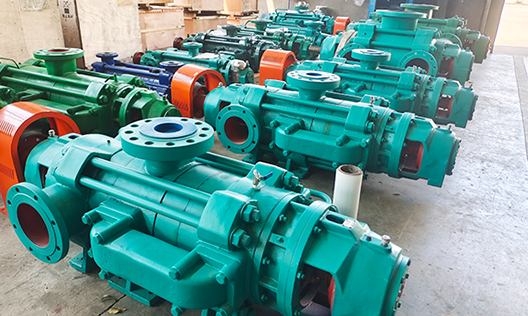
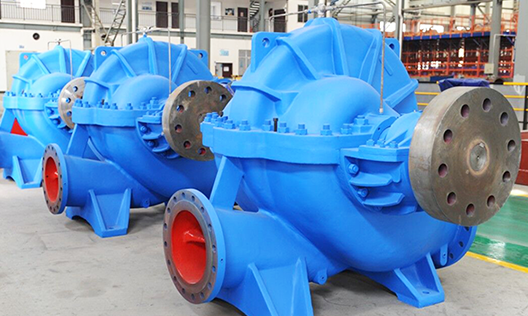
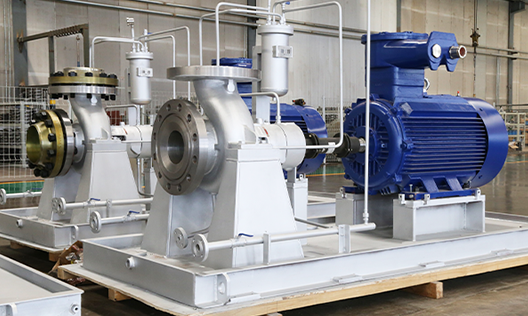
Puede fabricar 26 series de productos, incluyendo bombas de circulación para grandes centrales eléctricas, bombas de condensación para grandes centrales eléctricas, bombas petroquímicas, bombas multietapa, bombas de aguas residuales y lodo, bombas multietapa autoequilibradas, bombas de doble succión y única etapa tipo split, y bombas centrífugas de succión simple y única etapa.
-
Cases
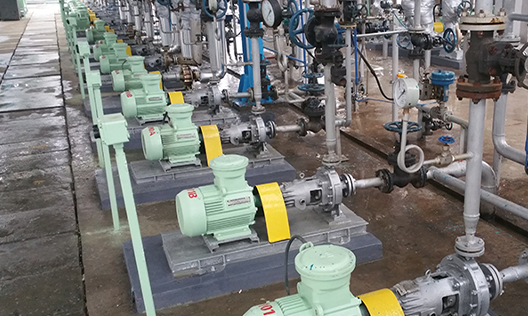
La elección de más de cientos de miles de clientes, cubriendo industrias como minería de carbón, metalurgia, química, energía, recursos hídricos, alimentos, municipalidades y protección ambiental, y exportando a Asia Sudeste, África, América y otros lugares.
-
Service
La empresa fue la primera en la industria en obtener las certificaciones internacionales del sistema de calidad ISO 9001:2008, del sistema de gestión ambiental ISO 14001 y del sistema de gestión de seguridad y salud ocupacional GB/T 28001, además de la certificación API 610 de la Asociación Estadounidense del Petróleo.
-
About us
La empresa, fundada en 1989, es una empresa nacional de alta tecnología integral que integra diseño, investigación y desarrollo, fabricación y servicios; actualmente es una empresa clave en la industria china de bombas centrífugas y una de las grandes fábricas especializadas.
-

Blogs
Con productos innovadores, calidad excepcional y servicios integrales, buscamos la verdad y la pragmática, avanzamos con iniciativa, y nos esforzamos por lograr el objetivo de ser "la marca líder en el campo de aplicación de bombas centrífugas en el país"! Raigada en Hunan, orientada a todo el país y hacia el mundo!
The Role of Customized Hot Water Pumps in Energy Efficiency
Publication Date:
2026-04-23
Author:
Source:


The Role of Customized Hot Water Pumps in Energy Efficiency
In today's competitive industrial landscape, energy efficiency is not just a buzzword; it's a critical component of operational success. Customized hot water pumps are emerging as vital players in this arena, enabling industries to significantly cut energy consumption while maximizing productivity. This article delves into the essential role of these bespoke pumps in enhancing energy efficiency, exploring their design features, applications, and the broader implications for industries striving to be more sustainable.
Understanding Customized Hot Water Pumps
Customized hot water pumps are specifically designed to meet the unique demands of various industrial applications. Unlike standard pumps, these systems can be tailored to fit specific operational requirements, ensuring optimal performance and efficiency.
What Are Hot Water Pumps?
Hot water pumps are mechanical devices used to circulate heated water through heating systems. They are essential in applications ranging from industrial heating processes to providing hot water in commercial buildings. The efficiency of these pumps can significantly impact energy consumption, making their design and customization crucial.
Why Customization Matters
Customization allows for the consideration of various factors such as flow rate, temperature, and pressure requirements. By tailoring the pump to specific needs, industries can achieve better energy efficiency, reducing waste and operational costs.
Key Benefits of Customized Hot Water Pumps
Customized hot water pumps offer myriad advantages over standard models. Below, we explore several key benefits that contribute to their importance in energy efficiency.
1. Improved Energy Efficiency
One of the primary benefits of customized hot water pumps is their ability to enhance energy efficiency. Tailored pumps operate optimally within the specifications of a given application, ensuring minimal energy loss.
Optimized Performance
The design of a customized pump takes into consideration various operational parameters, leading to improved performance. This optimization reduces energy consumption, which can translate into significant cost savings over time.
2. Reduced Operational Costs
By minimizing energy use, customized hot water pumps help lower operational costs. In addition to energy savings, these pumps often feature improved durability and reliability, further reducing maintenance and replacement expenses.
3. Enhanced System Integration
Customized pumps can be designed to seamlessly integrate with existing systems, enhancing overall system efficiency. This integration ensures that all components work harmoniously, optimizing energy usage across the board.
Applications of Customized Hot Water Pumps
The applications of customized hot water pumps are vast and varied, spanning multiple industries. Here are some key sectors where these pumps make a significant impact.
1. Manufacturing
In manufacturing settings, hot water pumps are crucial for processes requiring heat, such as chemical reactions or component cleaning. Customized solutions ensure that the necessary temperature and flow rates are consistently maintained, enhancing process efficiency.
2. Food and Beverage Industry
In the food and beverage industry, maintaining hygiene standards is paramount. Customized hot water pumps can be designed to meet specific sanitation requirements, ensuring safe water circulation while optimizing energy use for heating and cleaning processes.
3. Hospitality
Hotels and restaurants rely on hot water pumps for various applications, from heating swimming pools to supplying hot water for kitchen operations. Tailored solutions can significantly improve energy efficiency in these facilities, reducing operational costs and enhancing guest satisfaction.
Factors Influencing the Design of Customized Hot Water Pumps
The effectiveness of a customized hot water pump is influenced by several design factors aimed at maximizing energy efficiency.
1. Flow Rate and Pressure Needs
Each application has specific flow rate and pressure requirements. Understanding these parameters is critical for designing a pump that operates efficiently without overworking the motor, leading to energy waste.
2. Temperature Requirements
The temperature of the water being circulated also affects pump design. Customized pumps can be engineered to handle high temperatures without compromising efficiency or safety, ensuring smooth operation in demanding environments.
3. Material Selection
The choice of materials is vital in pump design, impacting durability and energy efficiency. Using high-quality materials can reduce friction and energy loss, leading to improved performance and longevity.
Innovative Features of Customized Hot Water Pumps
Modern technology has brought numerous innovations to the design of customized hot water pumps, further enhancing their efficiency and effectiveness.
1. Variable Frequency Drives (VFDs)
VFDs allow for precise control of pump speed, enabling adjustments based on real-time demand. This feature ensures that pumps operate at optimal efficiency, reducing energy consumption during periods of low demand.
2. Smart Monitoring Systems
Advanced monitoring systems provide real-time data on pump performance, enabling proactive maintenance and adjustments. This technology helps identify inefficiencies early, allowing for timely interventions that enhance energy savings.
3. Self-Cleaning Features
Some customized hot water pumps come equipped with self-cleaning mechanisms, reducing the need for manual maintenance. This feature not only saves time but also ensures consistent performance by preventing clogging and energy loss.
Challenges in Implementing Customized Hot Water Pumps
While the benefits of customized hot water pumps are clear, industries may face challenges in their implementation. Understanding these challenges is critical for effective integration.
1. Initial Investment Costs
Customizing pumps can require a higher initial investment than purchasing off-the-shelf models. However, the long-term energy savings and operational efficiencies often outweigh these initial costs.
2. Technical Expertise Requirements
Designing and integrating customized pumps may necessitate specialized knowledge and technical expertise. Collaborating with experienced suppliers is essential to ensure the successful implementation of tailored solutions.
Future Trends in Customized Hot Water Pumps
The landscape of customized hot water pumps is continuously evolving, with several trends likely to shape their future.
1. Increased Automation
As industries aim for greater efficiency, the integration of automated systems in hot water pump design is expected to grow. Automation can lead to enhanced performance and easier management of heating systems.
2. Sustainability Focus
With a growing emphasis on sustainability, manufacturers are increasingly focusing on creating energy-efficient pumps that reduce environmental impact. This trend aligns with global efforts to minimize carbon footprints.
3. Enhanced Digital Integration
The rise of the Internet of Things (IoT) is influencing the development of smart pumping solutions. These pumps will not only optimize energy use but also facilitate better monitoring and management through connected systems.
Frequently Asked Questions (FAQs)
1. What are the main advantages of customized hot water pumps over standard pumps?
Customized hot water pumps are designed to meet specific operational requirements, leading to improved energy efficiency, reduced operational costs, and better system integration.
2. How can customized hot water pumps contribute to sustainability efforts?
By optimizing energy use and minimizing waste, customized hot water pumps help industries reduce their carbon footprints and contribute to overall sustainability goals.
3. What factors should be considered when customizing a hot water pump?
Key factors include flow rate and pressure needs, temperature requirements, and material selection to ensure optimal performance and efficiency.
4. Are there any challenges in implementing customized hot water pumps?
Yes, challenges may include higher initial investment costs and the need for technical expertise for proper design and integration.
5. What future trends can we expect in the hot water pump industry?
Future trends include increased automation, a focus on sustainability, and enhanced digital integration through IoT technologies.
Conclusion
Customized hot water pumps play a pivotal role in enhancing energy efficiency across various industries. Their ability to be tailored to specific operational needs ensures optimal performance, leading to significant savings in energy and operational costs. As industries continue to prioritize sustainability and efficiency, the demand for innovative, customized pumping solutions will only increase. Investing in these bespoke systems not only contributes to immediate operational benefits but also aligns with the larger goal of reducing environmental impact and fostering a more sustainable future. Embracing the advancements in customized hot water pump technology will undoubtedly position businesses as leaders in energy efficiency and innovation.
Recommended Information


Related Products
Perhaps you also want to know?
Zoomlian Pump Industry
Address:No. 210, Environmental Protection Middle Road, Yuhua Economic Development Zone, Changsha City, Hunan Province China
All rights reserved © Changsha Zoomlian Pump Co., Ltd.
This website supports IPv4 IPv6 bidirectional access
Website construction:Zhongqi Power Changsha